MBT Basic Training: Sydney, March 2026
Location
About
Mentalization-based treatment (MBT) is a form of psychodynamic psychotherapy, developed and manualised by professors Peter Fonagy and Anthony Bateman. This engaging 3 day workshop, which is accredited by the Anna Freud Centre in London, will involve theory, role plays, videos and provide an active clinical skills based learning environment. The Basic training is the first step towards becoming an accredited MBT practitioner. MBT is an evidence based treatment and is now recommended by NICE guidelines, as well as many international treatment guidelines for personality disorders. Mentalising is such a fundamental social and human capacity that it is not surprising that difficulties with mentalising underlie many of the problems our patients present with. All therapies involve some degree of mentalising, what is unique about MBT is that it specifially targets mentalising capabilities as its core function.The heart of MBT is, together with the patient, to identify mentalising vulnerabilities related to the patient's presentation, to attend to and stimulate mentalising, to recover mentalising when it is lost and for the patient and the therapist to develop a curiosity about each other's minds and hearts.
Trainers
Margie Stuchbery MAPS FCCLP
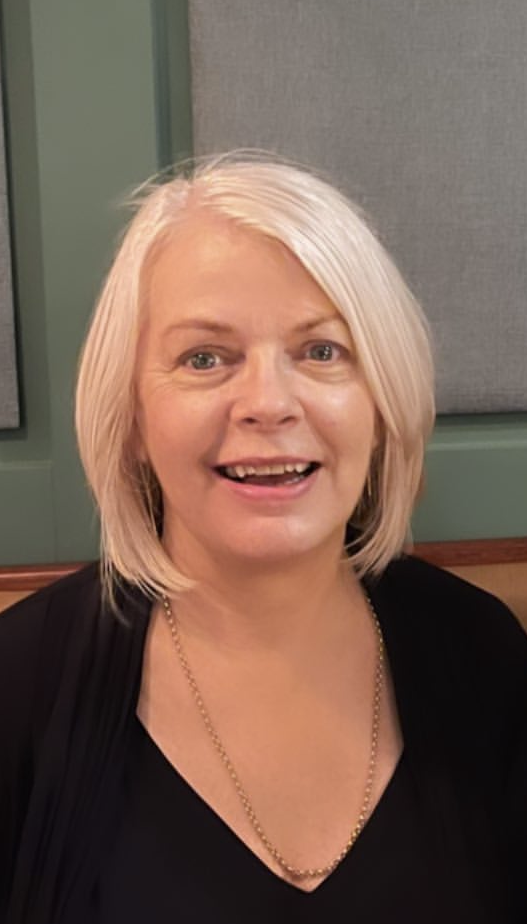
Margie Stuchbery is a Clinical Psychologist, turned supervisor, turned trainer and writer. Wrangling with the impact of early trauma on minds and hearts and relationships has led her through attachment theory and related accredited trainings- she is an accredited Watch Wait and Wonder parent-infant therapist- to Mentalisation Based Treatment. Margie has worked in public services both clinically and as a manager of an Allied Health team. In addition to her individual clinical work she is also a trained Family Therapist. Having been supervised in MBT since 2011 by Prof Anthony Bateman, Margie is an accredited MBT supervisor and trainer and also conducts training for clinicians on developing parental reflective functioning and other mentalisation based phenomena. She has published papers on MBT and regularly conducts webinars, presents seminars and conference presentations on mentalising phenomena. Margie provdes MBT supervision to psychiatrists and psychologists in a range of clinical and forensic domains. Margie lectured at UTS in infant mental health in the Masters of Clinical Psychology program and remains herself a life-long learner.
Dr Celeste Benetti
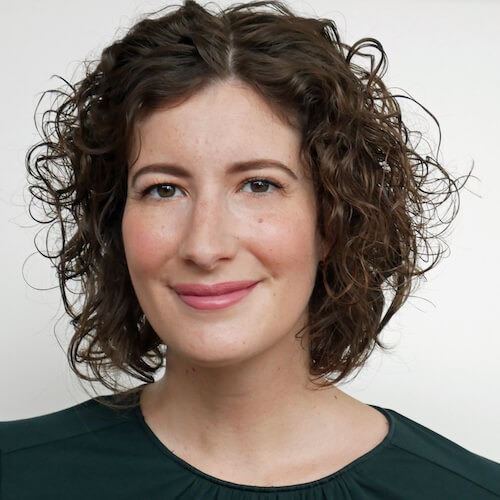
Dr Celeste Benetti is a Clinical Psychologist in Melbourne, Australia. She is an accredited MBT Practitioner, Supervisor, and Trainer for MBT Adults, MBT Adolescents and MBT Families. She has supervised and coordinated Public Area Mental Health Service MBT Programs in Australia and internationally. Celeste has worked with young people and adults with complex trauma and Borderline Personality Disorder and their families for over 15 years. She is the Principal Psychologist for Peninsula Health’s Mental health and Wellbeing Services, supporting psychologists and delivering of therapeutic interventions across all ages and across inpatient, community and emergency settings. She oversees the Therapy Service which includes a full MBT Program for adults aged 18 and above. She also has a key role in the expansion of Peninsula Health’s MHWS to infants, children, and families which commenced providing care to those aged 0-15 in 2024. In 2019 Celeste implemented the MBT Families and Carers Training and Support Programme (MBTFACTS) through Alfred CYMHS as a delayed treatment Randomized Control Trial, and has published and presented qualitative research outcomes from the perspectives of young people. Additionally she works in private practice with adults, adolescents, parents, and families and provides MBT individual and group supervision. Celeste has experience in supervising clinicians who work in a range of settings including private practice, public area mental health services in Australia and internationally, private inpatient settings, and forensic treatment settings