
Saving a life’s story from being lost
Location
About
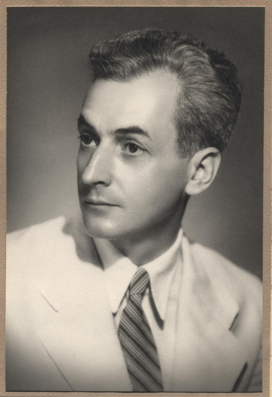
This presentation tells the life story of Harold John Timperley, a Western Australian-born journalist who was active in China during the 1920s and 1930s who was most famous for his book What War Means: The Japanese Terror in China that laid bare the depredations inflicted on the people of Nanjing and Northern China by the Imperial Japanese Army during the Sino-Japanese war that commenced in July 1937.
Timperley later went on to work for the Chinese Ministry of Information, the United Nations, and the War on Want organisation. Whilst he was always relatively well-known in relevant academic circles, he started to disappear from discourse on modern Chinese history until the publication of Iris Chang’s 1997 The Rape of Nanking: The Forgotten Holocaust of World War II. Chang’s book, highly acclaimed and controversial, renewed attention on Timperley, particularly from Japanese revisionists who sought to discredit him as merely a mouthpiece for the Chinese nationalist government thus questioning the integrity and veracity of his most famous work.
Timperley’s life and work, however, was so much more than this and this presentation tells not only his story but the story of getting the story. Timperley left no great collection of papers, no personal archive and the reason for that is central in this presentation and works in neatly with this year’s History Week theme of “Keeping Stories”.
Join Brendan Cook, author of A Man of Exquisite Honour: The life and work of Harold John Timperley, journalist, propagandist, pacifist, who will bring Timperley’s story to light.