
Facial reflexology Adelaide
Location
Hosted by
About
Discover the relaxing and therapeutic world of Facial Reflexology in Adelaide
Facial Reflexology is a specialised reflexology technique that combines gentle facial massage with reflexology points and techniques traditionally used to support the body's systems and encourage relaxation.
This course is designed for reflexologists, massage therapists, complementary therapists and practitioners who would like to expand their existing skills and offer clients a unique treatment focused on the face, head and nervous system.
During the day, students learn how to work with the face in a structured and professional way, using gentle massage techniques before progressing into the reflexology areas and points. The treatment provides a wonderfully calming experience for the client while giving the practitioner an additional treatment that can be incorporated into an existing complementary therapy practice.
What will you learn?
Students are introduced to the anatomy and structure of the face and develop an understanding of the facial muscles, including muscles involved in facial expression and those associated with chewing.
You will explore areas including:
- Facial muscles and their functions
- Facial anatomy
- The relationship between facial structures and reflexology
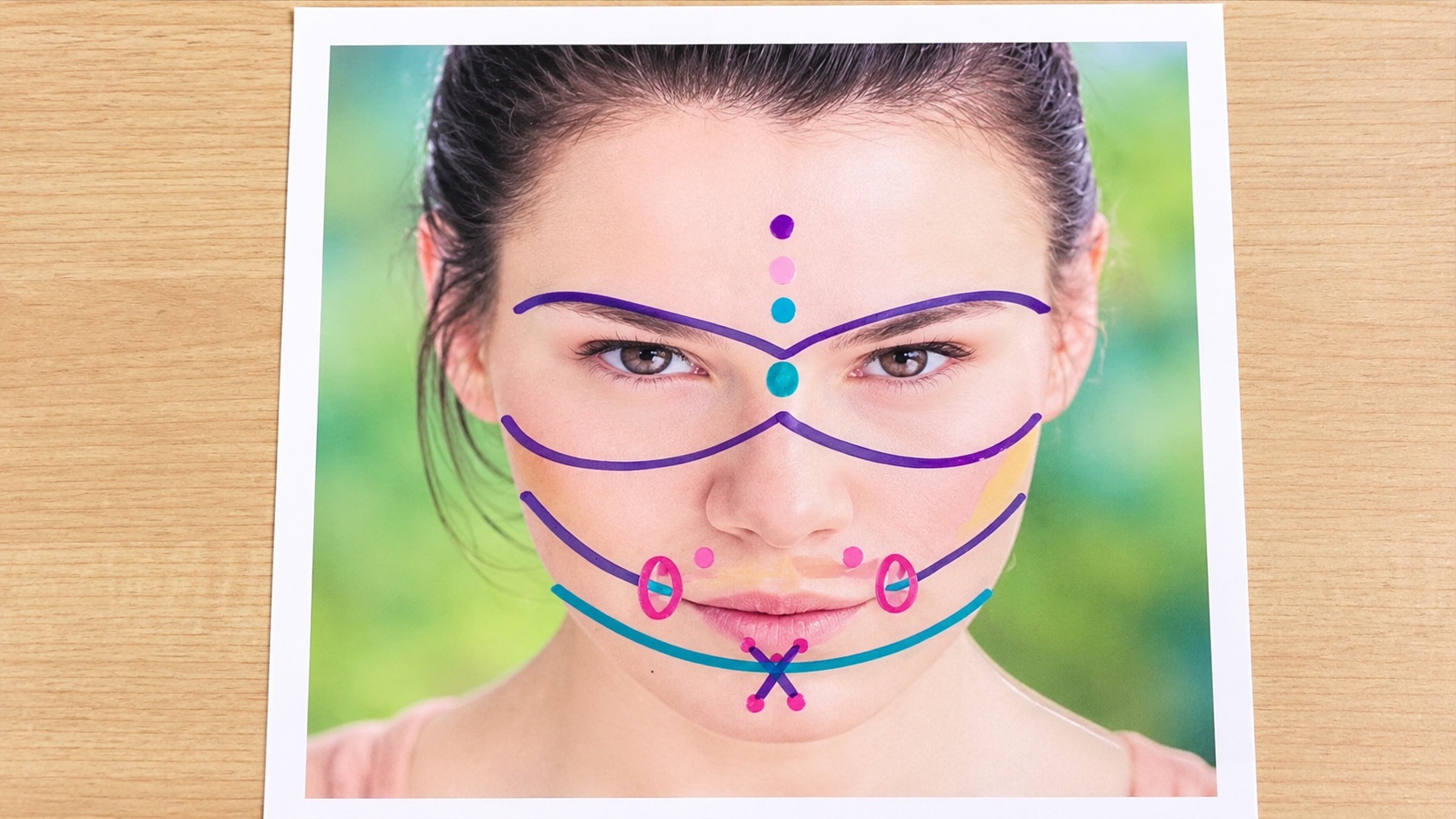
- Facial reflex points and reflex areas
- Techniques for working around the forehead, eyes, nose, cheeks and mouth
- Relaxation techniques
- Gentle facial massage
- Reflexology techniques for the face
- Working with the head and nervous-system reflex areas
- Treatment sequencing and practitioner positioning
- How to provide a comfortable and relaxing facial reflexology treatment
- Contraindications and precautions
- When a client may require medical referral rather than complementary treatment
Why add Facial Reflexology to your practice?
Facial Reflexology can be an excellent addition to an existing reflexology or massage practice.
The face is an area that clients often associate with relaxation and wellbeing. Gentle work around the face, scalp, forehead and facial muscles can create a deeply calming treatment experience.
Adding facial reflexology to your existing qualifications can allow you to offer clients another treatment option and create a treatment that can be incorporated into relaxation, wellbeing and complementary therapy programs.
It can also be particularly appealing for clients who enjoy facial treatments but would like to experience a treatment that incorporates reflexology principles.
A treatment that feels different
Unlike a conventional foot reflexology treatment, Facial Reflexology allows the practitioner to work directly around the face.
The treatment begins with gentle techniques to relax the facial tissues and prepare the client. Students then learn the reflexology points and areas and how to incorporate them into a complete treatment.
Attention may be given to areas such as the forehead, temples, eyes, nose, cheeks, jaw and mouth, depending on the treatment sequence being taught.
The result is a treatment that combines the soothing experience of facial massage with the traditional approach of reflexology.
Understanding the facial muscles
A good understanding of facial anatomy is an important part of the course.
Students learn about muscles such as:
- Orbicularis oculi
- Orbicularis oris
- Buccinator
- Masseter
- Zygomaticus
- Levator anguli oris
- Levator labii superioris
- Depressor anguli oris
- Depressor labii inferioris
- Mentalis
Understanding these muscles helps practitioners recognise the structures they are working over and appreciate how facial movement, expression and jaw function relate to the treatment.
Facial reflexology and wellbeing
Facial Reflexology is taught as a **complementary therapy intended to support relaxation and wellbeing. It should not be presented as a replacement for medical treatment or as a means of diagnosing or treating disease.
The course also helps practitioners understand when additional care is required. For example, sudden facial weakness, significant facial pain, unexplained swelling, changes in vision or other new neurological symptoms should be appropriately assessed by a medical professional.
Who is the course suitable for?
The course is suitable for practitioners who already have an interest or qualification in complementary therapies, including:
- Reflexologists
- Massage therapists
- Complementary therapists
- Beauty therapists with appropriate training
- Wellness practitioners
- Practitioners wanting to expand their treatment menu
It can also provide an opportunity for experienced practitioners to develop a treatment that can be incorporated into their existing practice.
Small-group practical training
Practical training is an important part of learning Facial Reflexology.
Students have the opportunity to practise the techniques under tutor guidance, allowing them to develop their positioning, pressure, hand movements and treatment sequence.
Small-group training provides the opportunity for individual guidance and feedback so students can become comfortable performing the treatment before offering it to clients.
### Take your reflexology skills further
Facial Reflexology is an ideal addition for practitioners who already work with clients through foot, hand or other forms of reflexology.
It gives you another way to work with clients and provides a treatment that can be offered as a standalone session or incorporated into a broader complementary therapy practice.
Join us in Adelaide and learn how to bring Facial Reflexology into your professional practice.
Places are kept limited to allow for practical supervision and individual guidance.
Adelaide Facial Reflexology Course
ASRR – School of Reflexology
For course dates, availability, enrolment information and what to bring, please contact ASRR.