

The classes of quantitative research: description, prediction and causal inference
Session overview
Every research question can be classed as either descriptive, predictive, or causal. This framework helps researchers align their research question to the correct research method. By the end of this seminar, attendees will understand the types of questions that may be investigated in quantitative medical research, the clinical importance of those research questions, how their results may be interpreted, and will be able to detect which methodological approaches are most appropriate for each type of research question.
During this session, you will:
-
The types of medical research questions
-
The importance and clinical interpretation of each type of research question
-
How to detect which methodological approaches are most appropriate for each type of research question
DATE
Wednesday 11th March 2026, 3:00pm-4:00pm (AEDT) (NB: QLD 2:00pm-3:00pm)
Location
Microsoft Teams - Once you have registered the meeting link will be provided in the confirmation email and calender invitation.
** Please note: All seminars are recorded and will be posted to the RR-CLaN YouTube channel after the session. If this seminar interests you, please register—even if you cannot attend live—as you will receive an email notification when the recording is available, along with any resources shared during the session.
About the Presenter
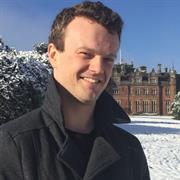
Dr Brett Dyer is a biostatistics research fellow at Griffith University, where he leads a research programme focused on improving the implementation of statistical methods for prediction and causal inference. In 2025, Dyer published articles outlining the recommended variable selection approaches for causal inference, prediction, and descriptive research (http://bit.ly/4kASdoy), and highlighting four common mistakes that remain in observational research regarding the classification of research questions as causal, predictive, or descriptive (http://bit.ly/3VYlCz6).
Who are the Rural Research Collaborative Learning Network (RR-CLaN)?
The RR-CLaN is a rural led initiative that aims to provide high-quality research education and training to healthcare staff working in rural, regional and remote areas. Our aim is to provide you with the education and training opportunities to build key skills in how to use and undertake research to improve healthcare delivery.
RR-CLaN collaborators:
NSW: Central Coast Local Health District; Far West Local Health District; Hunter New England Local Health District; Illawarra Shoalhaven Local Health District; Mid North Coast Local Health District; Murrumbidgee Local Health District; Nepean Blue Mountains Local Health District; Northern New South Wales Local Health District; Southern New South Wales Local Health District; Western New South Wales Local Health District; Health Education and Training Institute (HETI).
QLD: Tropical Australian Academic Health Centre (supporting Townsville Hospital and Health Service; Cairns and Hinterland Hospital and Health Service; Mackay Hospital and Health Service; North West Hospital and Health Service; Torres and Cape Hospital and Health Service); Darling Downs Health Innovation and Research Collaborative; Darling Downs, South West Hospital and Wide Bay Hospital and Health Service.

Contact Form

Resend recently purchased tickets to our events to your email.
Enter email to start search
You can review the event organiser's terms and conditions here.