

From Records to Research: Using Routinely Collected Health Data for Observational Research
Session overview
Routinely collected health data are a powerful resource, offering valuable insights into patient populations and informing clinical decision‑making and health policy. Turning these data into meaningful, actionable evidence, however, requires careful planning and methodological rigour. In this seminar, we will explore how routinely collected data can be used to conduct high‑quality observational research, including best practices for study design, analysis, reporting, and consideration of key ethical issues.
During this session, you will learn:
-
The study designs best suited to routinely collected health data
-
To apply best‑practice approaches to designing and reporting observational studies
-
The key methodological and ethical considerations
DATE
Wednesday 13th May 2026, 3:00pm-4:00pm (AEST)
Location
Microsoft Teams - Once you have registered the meeting link will be provided in the confirmation email and calender invitation.
** Please note: All seminars are recorded and will be posted to the RR-CLaN YouTube channel after the session. If this seminar interests you, please register—even if you cannot attend live—as you will receive an email notification when the recording is available, along with any resources shared during the session.
About the PresenterS
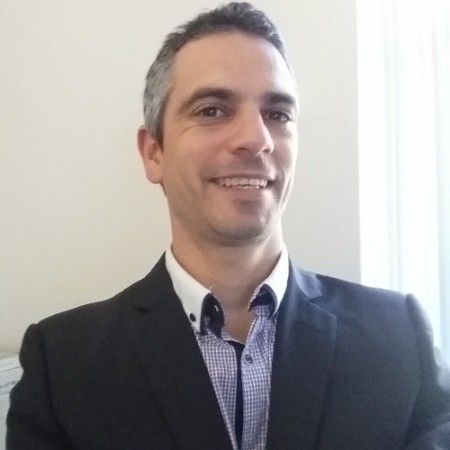
Dr Alex Stephens is the Director of Research at Northern NSW LHD. In this role, he has overall responsibility for Research Ethics and Governance Operations, Research Development and Support and strategic engagement with the broader research ecosystem. Alex has backgrounds in molecular biosciences (PhD) and biostatistics (Masters Biostatistics) and has research interests at the interface between the two.
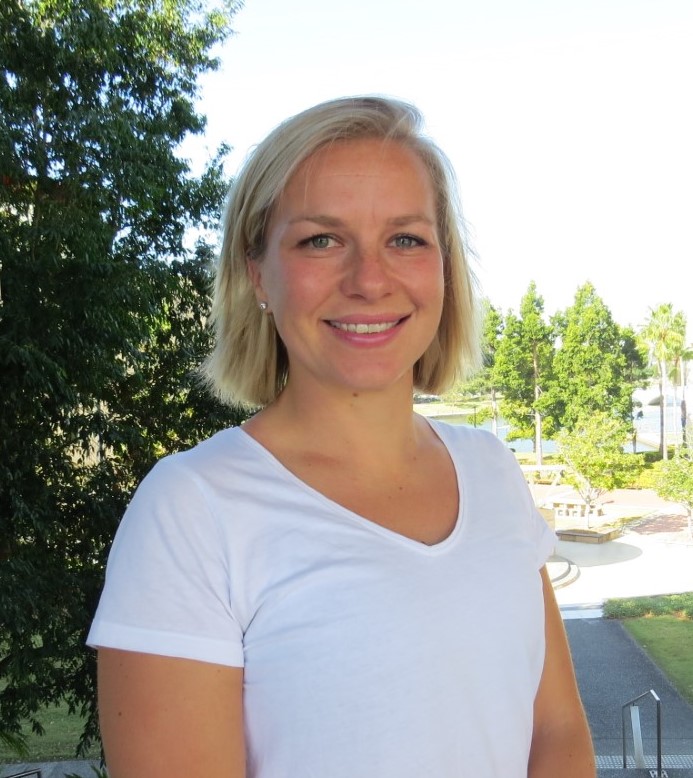
Dr Zoe Michaleff is the Research Operations Manager at Northern NSW LHD. Zoe is responsible for research, development and support and facilitating NNSWLHD staff to be evidence based and research engaged workforce though the provision of education, training, resources and mentorship. Zoe is passionate about evidence-based practice and enjoys sharing her insights and experiences to support others on their research journey.
Who are the Rural Research Collaborative Learning Network (RR-CLaN)?
The RR-CLaN is a rural led initiative that aims to provide high-quality research education and training to healthcare staff working in rural, regional and remote areas. Our aim is to provide you with the education and training opportunities to build key skills in how to use and undertake research to improve healthcare delivery.
RR-CLaN members:
NSW: Central Coast Local Health District; Far West Local Health District; Hunter New England Local Health District; Illawarra Shoalhaven Local Health District; Nepean Blue Mountains Local Health District; Northern NSW Local Health District; Mid North Coast Local Health District; Murrumbidgee Local Health District; Southern NSW Local Health District; Western NSW Local Health District; NSW Ambulance; Health Education and Training Institute (HETI).
QLD: Tropical Australian Academic Health Centre (supporting Townsville Hospital and Health Service; Cairns and Hinterland Hospital and Health Service; Mackay Hospital and Health Service; North West Hospital and Health Service; Torres and Cape Hospital and Health Service); Queensland Rural Health Innovation and Research Collaborative (supporting Darling Downs Health and South West Hospital and Health Service); Wide Bay Hospital and Health Service.

Contact Form

Resend recently purchased tickets to our events to your email.
Enter email to start search
You can review the event organiser's terms and conditions here.