
Transference and countertransference in the Conversational Model
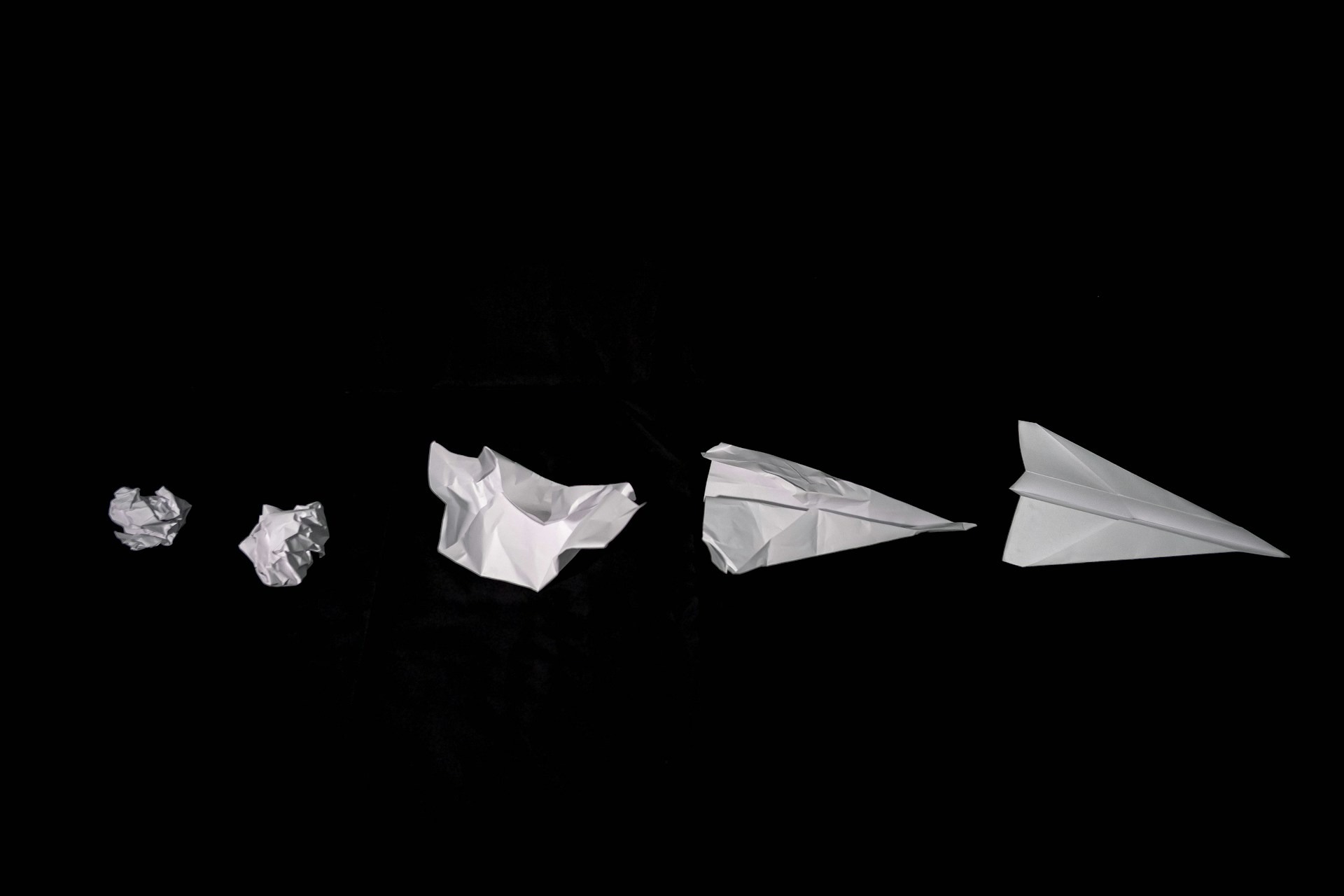
Transference and countertransference are important ideas in the history of psychoanalytic therapies. Freud coined these terms in order to explain certain behaviours that emerge therapy. The term transference was presumed to be the unconscious process that explained why patients behaved in certain repetitive ways towards the therapist, that the therapist assumed came from the past rather than the present. Initially countertransference was seen as the therapists unconscious response to the patient’s transference and an impediment to therapy.
Unfortunately these terms came to be used and abused in a variety of ways that lost track of the fact that these were assumptions or speculative explanations about clinical phenomena and were treated by many as if they were the clinical phenomena themselves and not an explanation of the phenomena. Much has changed since the 1950s and these traditional psychoanalytic notions have been deconstructed and reconstructed many times.
This talk will focus on a more sophisticated explanations of the phenomena previously covered by transference and countertransference.
Current psychoanalytic thinking considers these phenomena as emerging within a mutually influencing intersubjective relational matrix where conscious and unconscious processes collide and the therapist task is to formulate a relevant understanding of why certain behaviours emerge when they do.
The Conversational Model of Psychotherapy offers an alternative understanding and explanation of the phenomena that were previously covered by transference and countertransference. From this perspective countertransference is just another name for the therapist’s transference. This talk will highlight the importance of the therapists assumptions in the clinical process.
Venue: Live Webinar (Zoom Link Embedded in your booking confirmation emails)
Date: Thursday, 9th April, 2026
Time: 6.30 p.m. to 8.30 p.m. (Sydney/Melbourne/Canberra Time)
Cost: 120 (Non Members), 90 (ANZAP Members), 60 (Other Students), 40 (Westmead Students), 0 (ANZAP Students)
CPD Certificate: 2 Hours. CPD certificates are issued to attendees who meet one of the following criteria: attend the live webinar with at least 80% attendance.
About Dr George Lianos: Dr George Lianos is a senior consultant psychiatrist and psychotherapist. He worked with Russell Meares and a small team of colleagues in the establishment and development of both the Master of Medicine (Psychotherapy) program and the formation of ANZAP and its training program. He has remained on Faculty as a lecturer, seminar leader and supervisor since its inception. His focus has always been clinical. He works with individual and couples using and developing the Conversation Model. He engages actively and prioritise the affective dimensions of the minute particulars in every therapeutic exchange. He believes that kindness caring, and compassion are the foundation stones of all good therapy.
Contact Form

Resend recently purchased tickets to our events to your email.
Enter email to start search
You can review the event organiser's terms and conditions here.