Easter event ideas
Easter falls at a natural pause in the year – a long weekend when people are ready to gather, eat well, and do something memorable. Whether you’re organising a small community event or a large public celebration, these ideas work for a range of budgets, ages, and venues.
Easter egg hunt
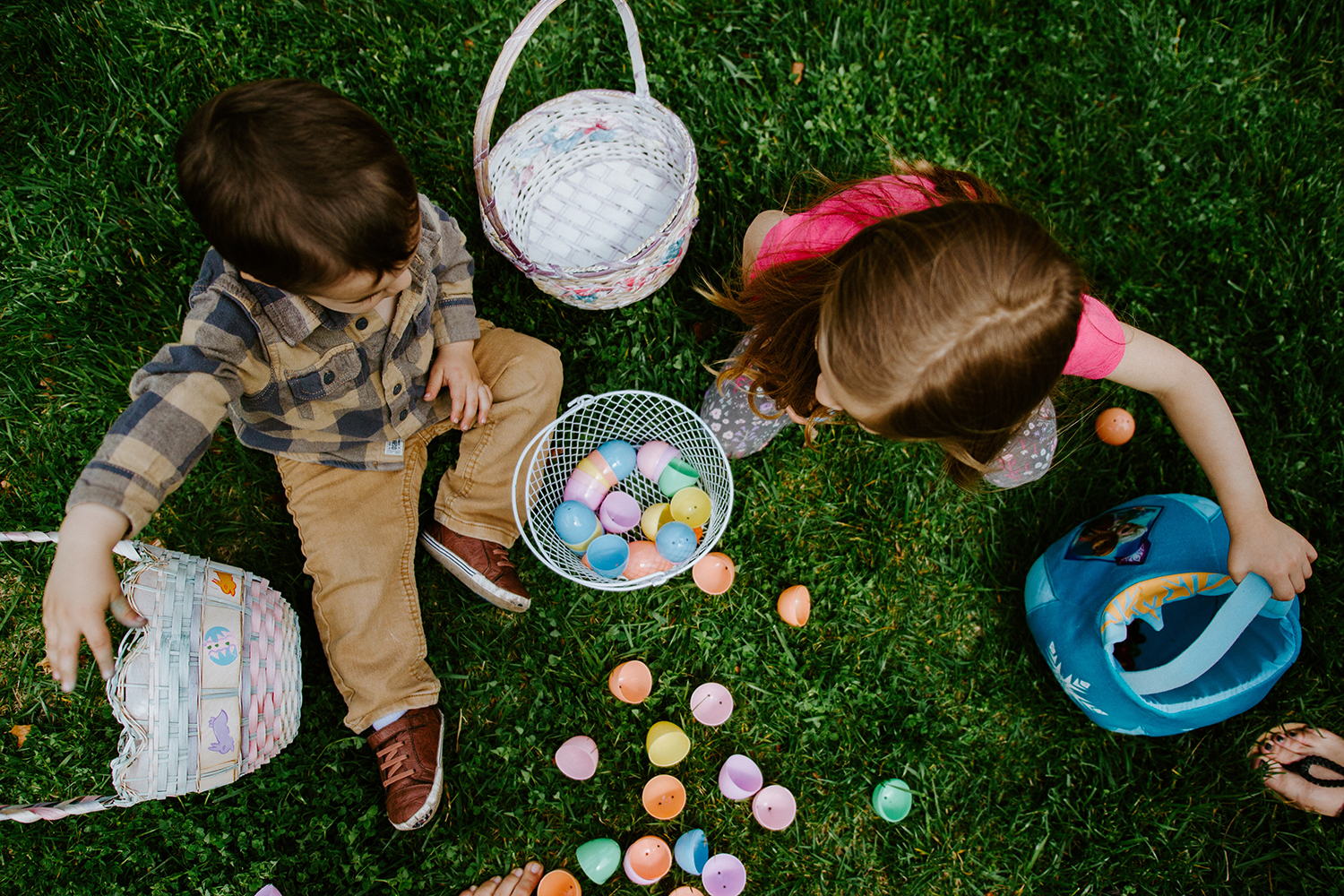
An Easter classic that works for every age group, not just kids. For younger children, keep it simple with hidden eggs across a garden or hall. For older guests, build in a layer of challenge – a scavenger hunt with written clues leading from location to location, or a puzzle that needs to be solved before the final prize is revealed.
Want to make it memorable? Ditch the foil-wrapped eggs and go handmade – papier-mâché eggs filled with treats, naturally dyed hard-boiled eggs, or wooden eggs decorated at a craft station earlier in the day. You can also run it as a team event, which works well for workplace or community groups.
Hot cross bun bake-off
Give your guests something to compete for. Ask entrants to submit their best hot cross buns – traditional, fruit-free, chocolate chip, or an unexpected twist – and have a panel of judges (or crowd vote) decide the winner.
It works well as a standalone event or as part of a broader Easter market or community day. Provide scoring cards with categories like flavour, texture, and glaze. Charge a small entry fee for bakers and an admission fee for tasters, and donate proceeds to a local cause to add purpose to the event.
Easter potluck
Invite friends, family or community members to bring a dish each. It keeps costs low, encourages variety, and gives everyone a sense of ownership over the event. A roast lamb, devilled eggs, or a simple salad all sit naturally alongside hot cross buns and simnel cake.
If you’re managing a large group, collect dish preferences ahead of time – it avoids three people turning up with the same thing and ensures dietary needs are covered. An online sign-up form with fields for dish type and allergies makes this straightforward to manage.

Egg making and decorating parties
Egg decorating is a genuinely enjoyable activity for a mixed-age group, and it doesn’t need to be expensive. Set up stations with hard-boiled eggs, natural dyes (red cabbage, turmeric, and beetroot all work well), paint, washi tape, and decoupage materials. Include a few more ambitious techniques – marbling, wax resist, or mosaic – for guests who want a challenge.
Consider combining it with the potluck above, so the crafting happens before the meal. You’ll end up with decorations for the table and a conversation starter for everyone.
Easter egg roll
After decorating, put the eggs to use. An egg roll is a simple outdoor activity: participants roll their egg along a course using only a spoon, aiming for the fastest time or the most intact finish. Set up a marked course with gentle slopes if possible – a park or grassed oval works well.
Variations worth trying: an egg-and-spoon relay race for teams, or an egg toss where pairs gradually step further apart until only one egg survives. Both travel well across age groups.
Easter parade
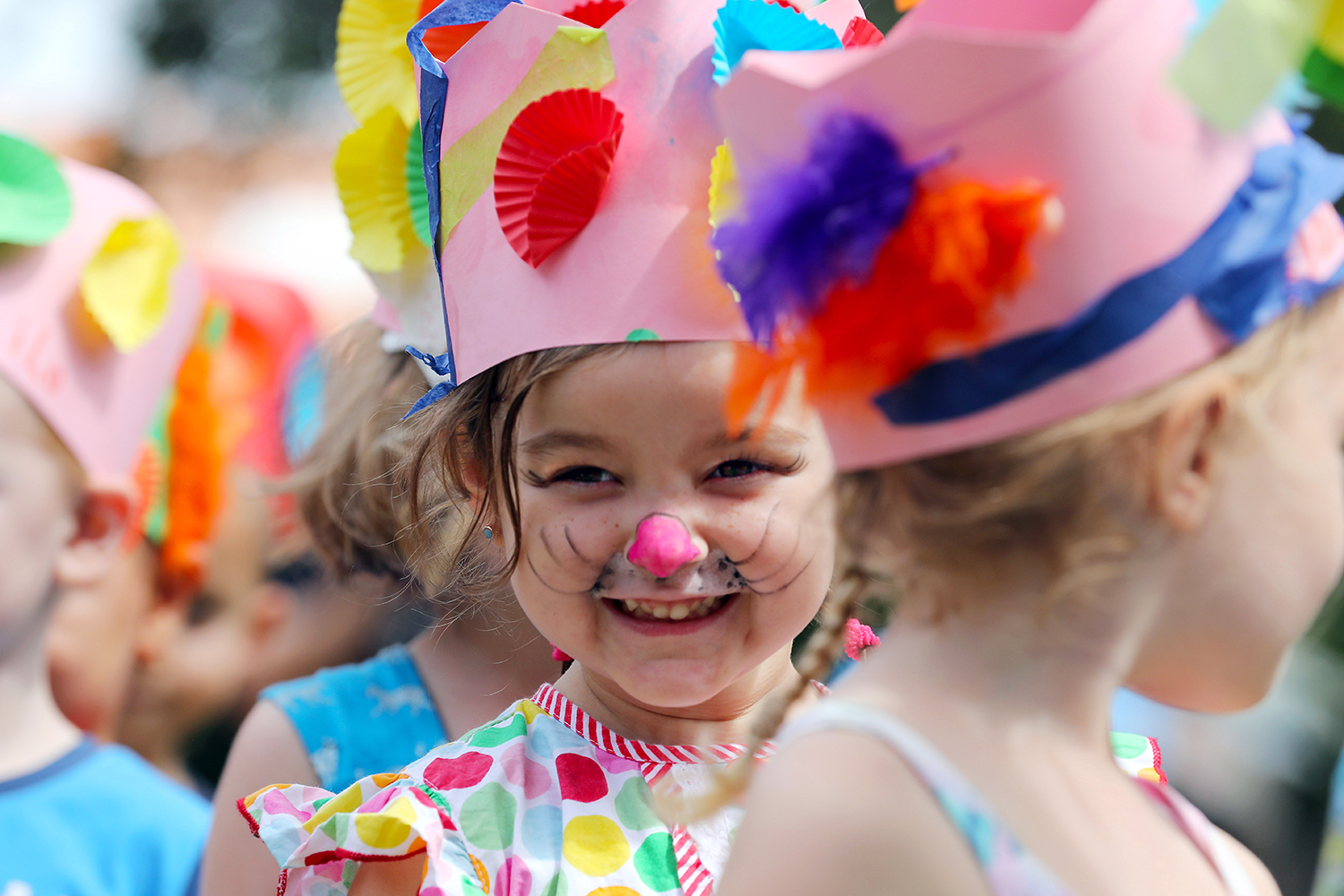
A community parade brings together local groups – schools, dance studios, sporting clubs, marching bands – and gives everyone a defined role. Participants decorate floats or costumes around an Easter theme, and the procession moves through a pre-arranged route in a local area.
For the organiser, the key logistics are route permissions from local council, a defined assembly point, and a clear run sheet for participants. It helps to appoint a coordinator for each group so you’re not managing every float individually. Start planning at least six weeks out to allow time for permits and promotions.
Bunny hop racing
Simple, physical, and reliably funny. Participants race in sacks across a set course – first to the finish wins. Add an obstacle course element (cones to navigate, a low hurdle) or structure it as a team relay for more people to participate at once.
For an extra challenge, require participants to balance an egg on a spoon at the same time. It slows everyone down equally and adds a comedic element that works well for both children and adults.
Easter trivia night
An evening format that works for clubs, community groups, pubs, and workplaces. Build a round specifically around Easter – the history of the holiday, chocolate brands, Easter films, and traditions from around the world – alongside general knowledge rounds.
Keep tables to six to eight people, charge an entry fee per team, and offer an Easter-themed prize pack for the winners. A trivia night is a low-overhead event: you need a venue, a microphone, and a well-prepared question sheet. It’s also easy to run as a fundraiser by adding a raffle or a jackpot question.
Easter craft fair
An Easter craft fair gives local makers a platform and gives attendees a reason to shop for something handmade. Stalls might include handmade decorations, pottery, candles, baked goods, and Easter-specific items like hand-painted eggs or wreath kits.
To make it more than a market, invite a few stallholders to run short demonstrations or drop-in workshops – wreath making, macramé, or chocolate moulding are popular options. Workshops with limited spots need a booking system to manage numbers and avoid disappointment on the day.
Easter duck race
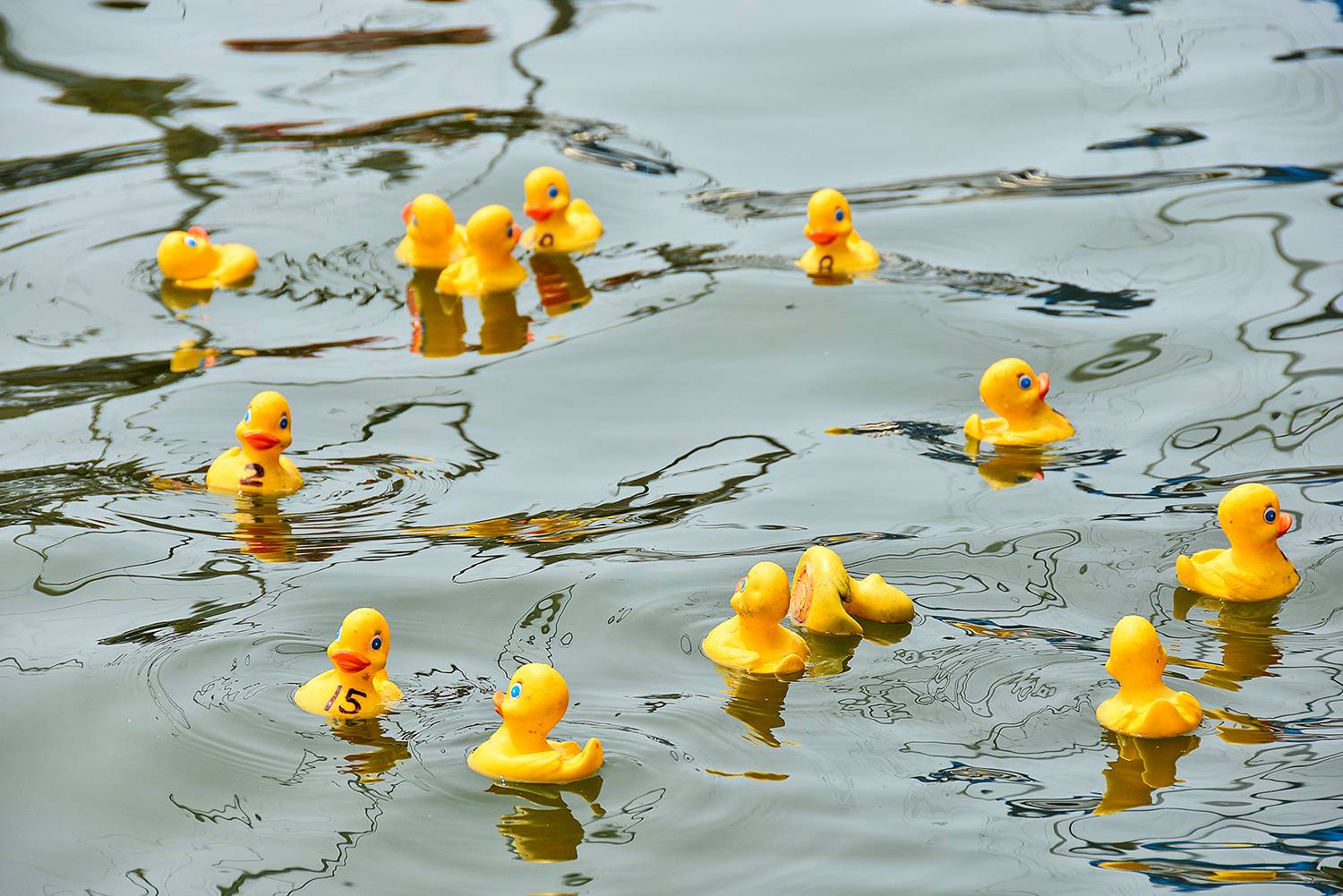
A duck race needs a local waterway with a reasonable current – a creek, canal, or river bend works well. Participants sponsor a numbered rubber duck, which is released upstream alongside dozens of others. The first duck to cross the finish line wins a prize for its sponsor.
Duck races work particularly well as fundraisers. Sell duck sponsorships in advance, set a prize for the winner, and donate the remainder to a local cause. They’re visually engaging, easy to marshal, and attract a family crowd.

Running any Easter event with ticketed entry, limited-capacity workshops, or paid duck sponsorships is straightforward with TryBooking – you can set up event pages, collect registrations, and manage attendee details without needing a separate system.
Frequently asked questions
When is Easter in 2026?
Easter 2026 falls on Sunday 5 April, with Good Friday on 3 April and Easter Monday on 6 April. The four-day long weekend gives organisers flexibility – family events work well on Saturday or Sunday, while community markets and fairs often run across the whole weekend. School holidays typically overlap with Easter, so factor in families being away when planning attendance.
How much does it cost to run an Easter egg hunt?
A small-scale egg hunt for 30-50 children can be done for $100-$200 in chocolate eggs and prizes. A larger community hunt for 100+ children, including venue hire, signage, and prizes, typically costs $300-$800. Offset costs with a small entry fee ($5-$10 per child), sponsorship from a local chocolate shop, or combine the hunt with a broader Easter fair where stallholders pay for their pitch.
What Easter activities work for all ages?
Egg decorating, Easter trivia nights, and craft fairs are the most consistently successful formats for mixed-age groups. An Easter potluck works well for multigenerational families. For events that need to keep both children and adults engaged simultaneously, run parallel activities – an egg hunt and craft station for children alongside a hot cross bun bake-off or trivia for adults.
Do I need council permission for an Easter parade?
In most Australian states, yes. A parade on public roads requires a road closure permit from your local council and potentially your state’s traffic authority. Apply at least 6-8 weeks before the event. You’ll need a route plan, traffic management plan, public liability insurance, and details about the number of participants and floats. Some councils have streamlined processes for community parades – check with your local events team early.
For more event planning ideas, browse the other guides in our resources section.