Mid-Autumn Festival events
This guide covers 10+ event ideas for Mid-Autumn Festival celebrations – from lantern ceremonies and mooncake tastings to cultural performances and moon-viewing gatherings. Each idea includes practical planning notes for Australian and New Zealand event organisers.
The Mid-Autumn Festival – also known as the Moon Festival, or Zhōngqiū Jié (中秋節) in Chinese – is one of the most important traditional festivals in Chinese culture and is celebrated across East and Southeast Asia, including by Vietnamese, Korean, and other communities who observe their own related festivals. Falling on the fifteenth day of the eighth lunar month, it coincides with the full moon and typically lands in September or October. This guide covers how to plan events that honour the occasion with cultural depth and genuine community connection.
What is the Mid-Autumn Festival?
The Mid-Autumn Festival is a harvest festival with roots stretching back more than 3,000 years. At its centre is the full moon – a symbol of reunion, completeness, and family. Families traditionally gather, share mooncakes, light lanterns, and appreciate the moon together.
The festival’s most enduring legend is the story of Chang’e (嫦娥), the Moon Goddess, who drank an elixir of immortality and floated to the moon, leaving her husband Houyi behind. The festival carries a note of longing alongside its joy: looking at the full moon connects people separated by distance or time.
The Mid-Autumn Festival isn’t simply a lantern event or a food festival – it’s a festival of reunion and reflection. Events that communicate this give attendees something to take home beyond a nice evening.
How do I organise a lantern ceremony?
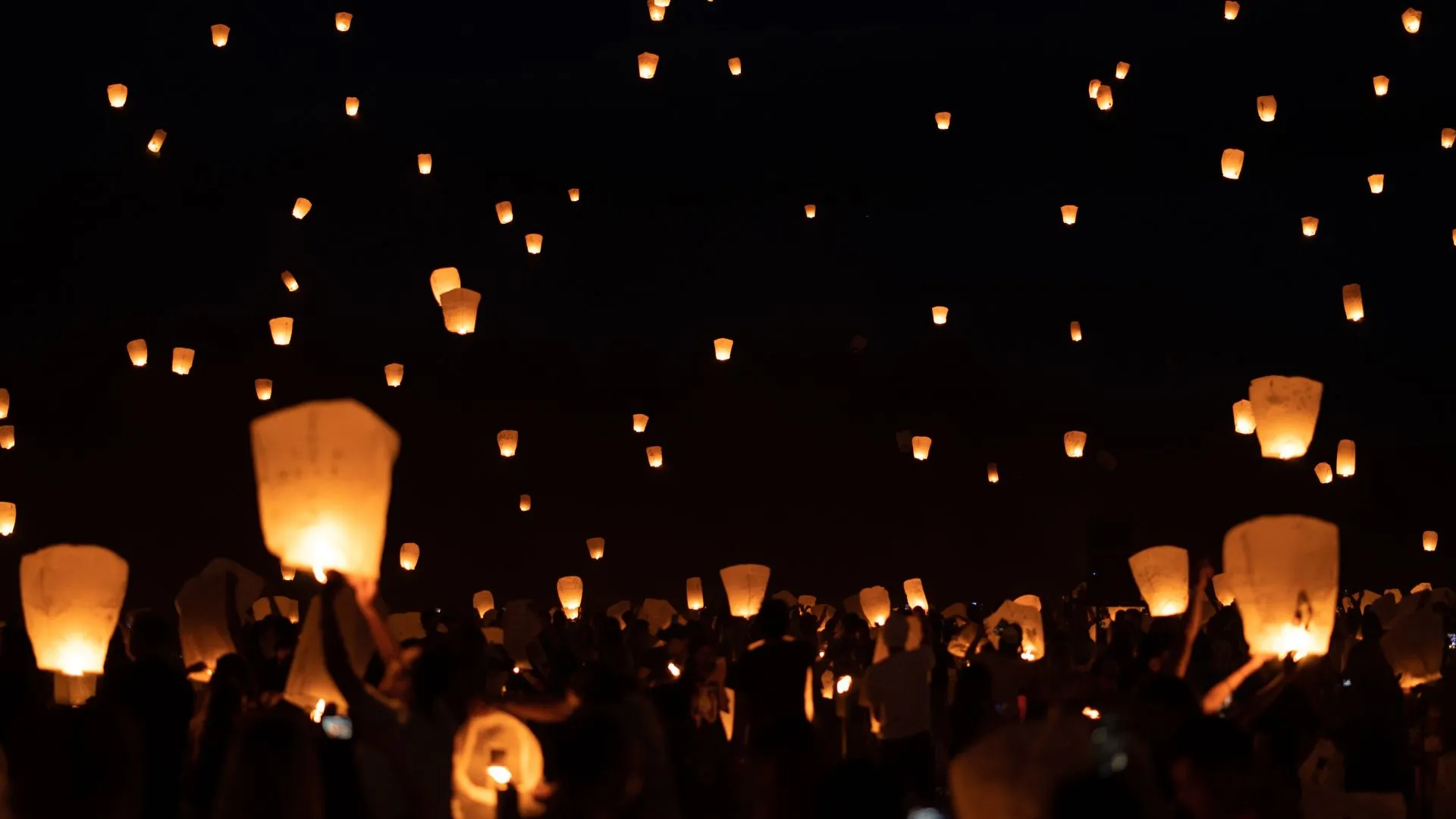
The lantern is the festival’s most recognisable symbol. Lanterns represent guiding light, good fortune, and the hope carried across distances. A lantern ceremony – whether a simple gathering where participants hold lit paper lanterns, or a larger community event with a formal ceremony – is a natural centrepiece for any Mid-Autumn Festival event.
For outdoor events, consider the practicalities carefully. Sky lanterns (fire lanterns released into the air) require open space well away from trees and structures and may require council approval or be prohibited in high-fire-risk areas – check local regulations before planning. Paper lanterns carried or displayed on the ground are a simpler and safer option that retains the visual warmth of the tradition.
Work with community partners to ensure the ceremony is presented with appropriate cultural context. A brief explanation of what the lanterns represent – and an invitation for participants to hold a personal wish or thought as they light them – turns a pretty visual moment into a genuinely meaningful one.
How do I run a mooncake tasting event?
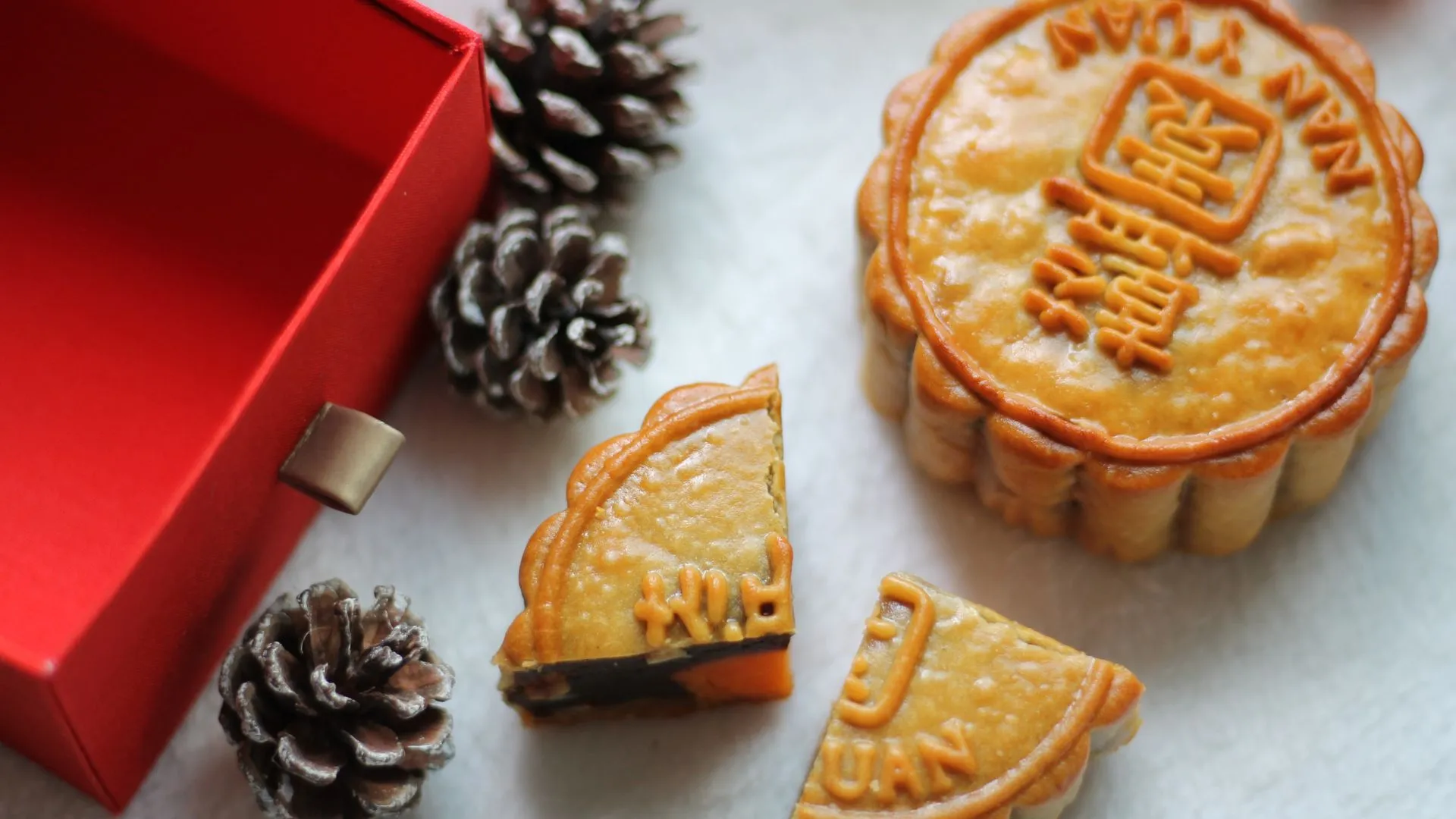
Mooncakes (月饼, yuèbǐng) are the festival’s defining food. Dense, rich pastries with ornately stamped surfaces and a variety of fillings, they’re given as gifts and shared with family during the festival. Traditional fillings include lotus seed paste with salted egg yolk – the golden yolk representing the full moon – as well as red bean paste, five-kernel (mixed nuts and seeds), and jujube paste.
Contemporary mooncakes have expanded the tradition considerably: snow skin mooncakes (chilled, with a soft mochi-like wrapper), custard-filled varieties, and flavours suited to different dietary needs are now common.
A mooncake tasting works well as a standalone ticketed event or as a component of a larger gathering. Source mooncakes from local Chinese bakeries, introduce each variety with a note on its origins and significance, offer alternatives for different dietary needs, and set up the tasting area so people can move through at their own pace. Inviting a baker or community member to speak briefly about the tradition adds depth.
What cultural performances suit the Mid-Autumn Festival?
Music – Erhu, guzheng, pipa and dizi are all associated with the festival’s themes of moon-gazing and longing. A live performance creates an atmosphere no recorded playlist can replicate. Contact local Chinese cultural associations or music schools to find performers.
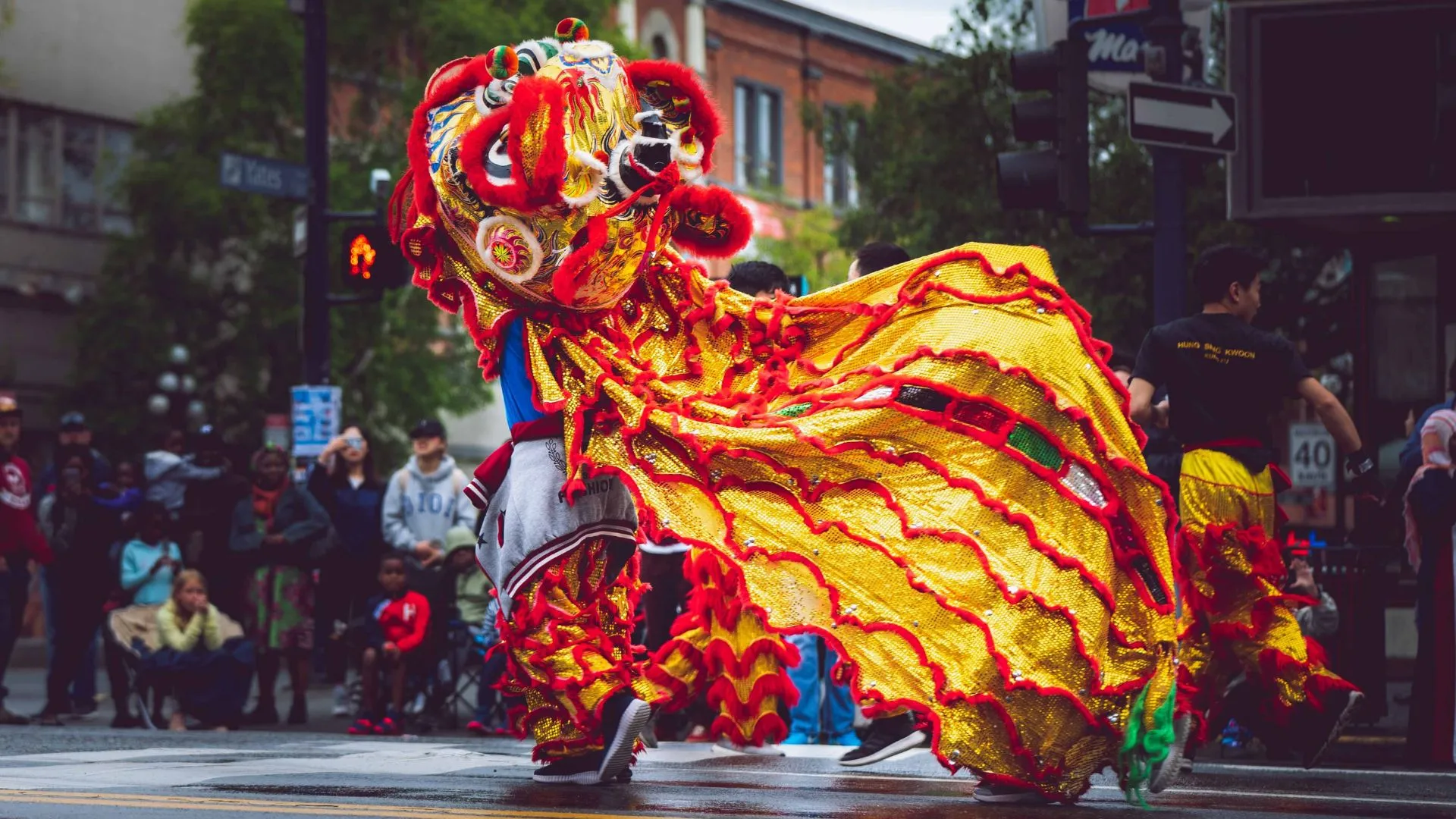
Dance and opera – Chinese classical dance, regional folk dance forms, and Cantonese opera (粵劇) all have practitioners in Australian and New Zealand cities. A short performance paired with a brief explanation gives audiences an encounter with living traditions.
Storytelling – The legends of Chang’e and Houyi, the Jade Rabbit, and Wu Gang are woven into the festival’s imagery. A storyteller sharing these tales – adapted for a mixed-age audience – gives the evening’s other elements deeper meaning.
What hands-on workshops can I run?
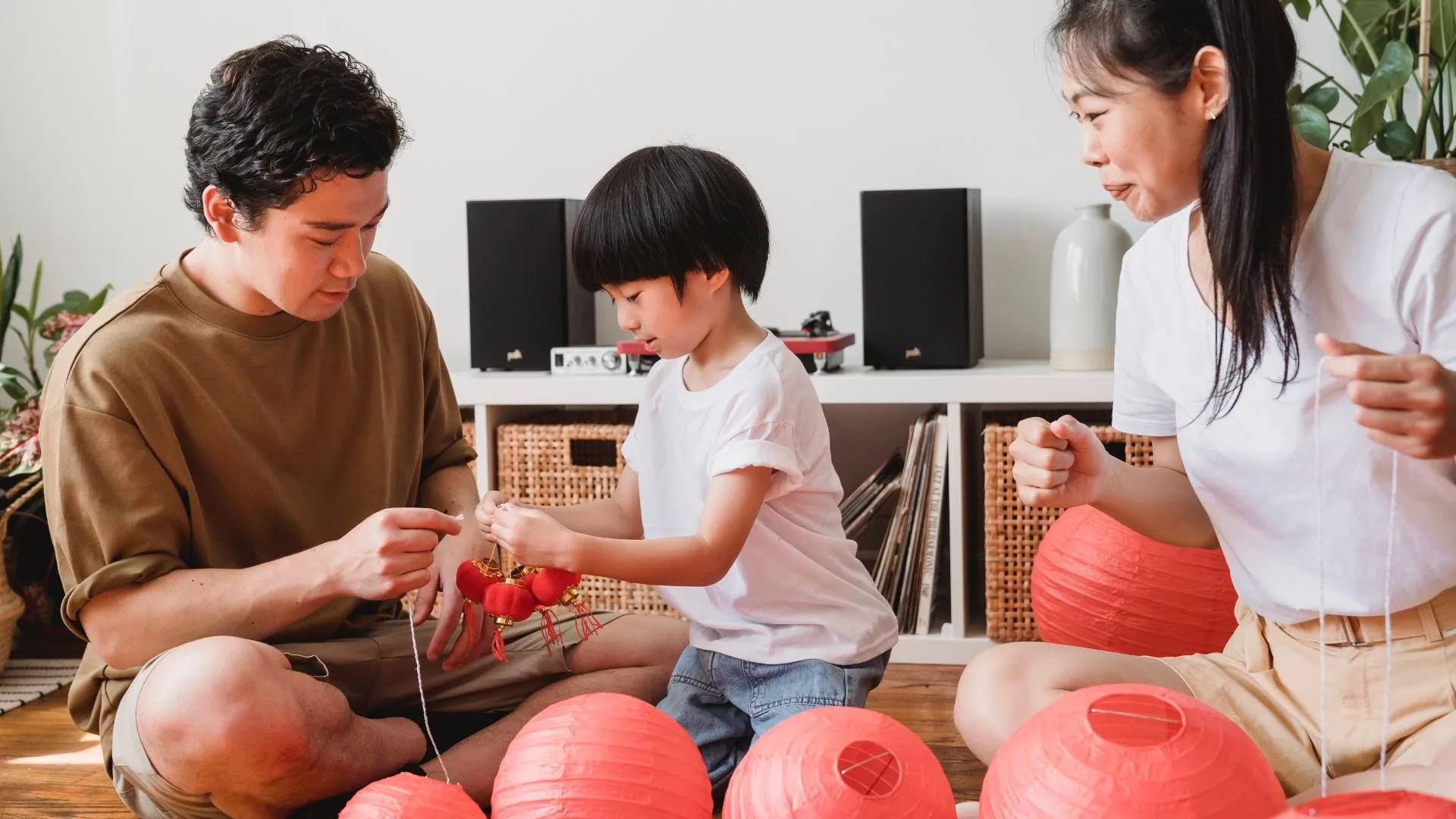
Lantern-making – Crafting paper lanterns is accessible for all ages. Allow enough time – a good lantern takes thirty to forty-five minutes – and pair the activity with explanation of what lanterns represent in the festival. Finished lanterns can be lit and displayed at the event or taken home.
Calligraphy – A short workshop where participants learn to write one or two characters associated with the moon, reunion, or good fortune, with guidance from a calligrapher. A tangible, personal takeaway.
Mooncake-making class – A hands-on class producing traditional baked mooncakes or the simpler snow skin variety. Works best with small groups of eight to twelve, and a teacher who explains the craft’s cultural significance alongside the technique.
How do I set up a moon-viewing event?
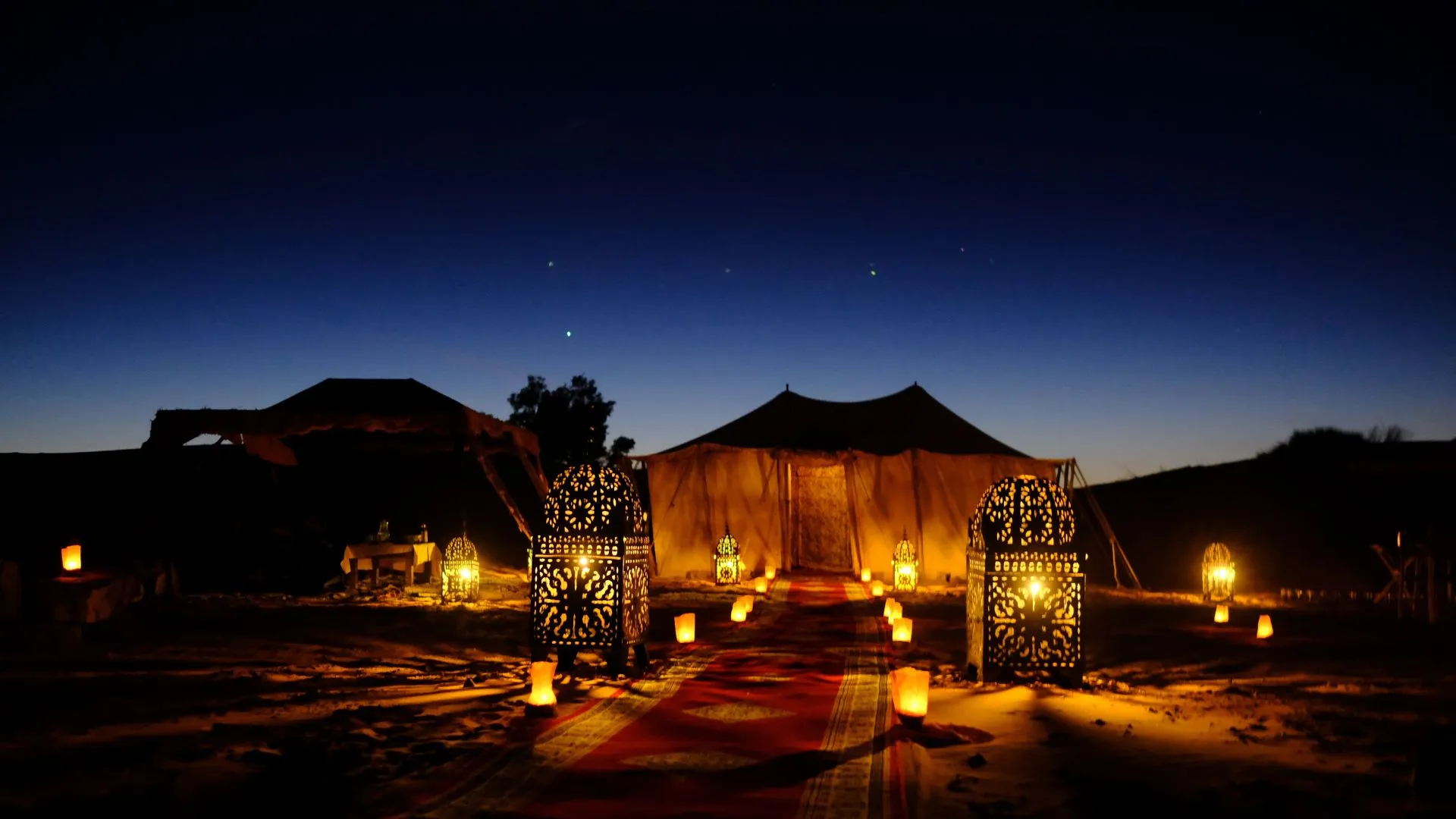
Moon appreciation (賞月, shǎng yuè) is at the heart of the festival. Setting up a dedicated moon-viewing area – comfortable seating oriented toward the sky, some soft lighting that doesn’t wash out the moonlight, and a calm atmosphere – gives attendees a place to simply be present with the festival’s central symbol.
Complement the space with poetry readings – classical Chinese moon poetry by Li Bai and Su Dongpo is closely associated with the festival. “Thoughts on a Quiet Night” (靜夜思) is probably the most widely known. Providing bilingual versions (Chinese and English) broadens accessibility. A digital wishing wall, where participants share something they’re grateful for or someone distant they’re thinking of, echoes the festival’s reunion themes.
For outdoor events, check moonrise times in advance so the moon-viewing moment coincides with the moon actually being visible.
What cultural games and activities suit the Mid-Autumn Festival?
Lantern riddles (燈謎, dēngmí) – A traditional festival activity where riddles are written on hanging lanterns and participants try to guess the answer. Prepare riddles at varying difficulty levels to suit mixed-age groups.
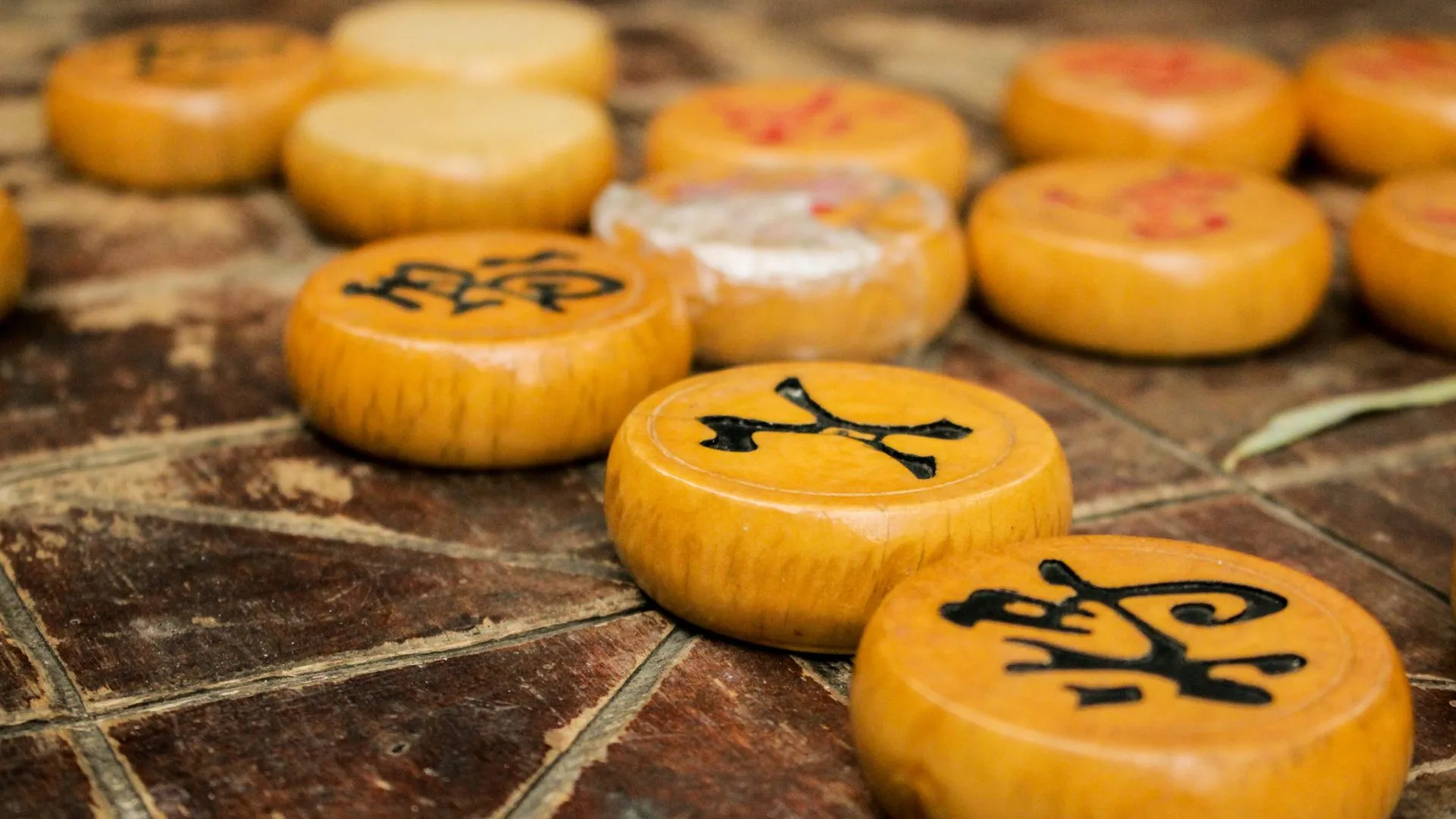
Traditional games – Shuttlecock kicking (毽子, jiànzi), Chinese chess (象棋, xiàngqí), and other traditional games work well as activity stations at larger festival events, particularly for family-focused programs.
Mooncake gambling game – A light-hearted dice game associated with the festival in Fujian province and Taiwan, where players roll to win mooncakes in different categories. Local community associations can often provide the traditional dice and explain the rules.
How should I approach cultural framing for a Mid-Autumn Festival event?
The Mid-Autumn Festival is observed by Chinese-Australian and Chinese-New Zealand communities, Vietnamese communities (who celebrate Tết Trung Thu on the same date), and other East and Southeast Asian communities. If your event is organised by a non-Asian organisation, involve local community associations from the planning stage. They can advise on what’s culturally appropriate, help find performers and facilitators with genuine cultural knowledge, and ensure the event reflects the festival’s significance rather than just its visual surface.
How can TryBooking help with my Mid-Autumn Festival event?
Whether you’re running a ticketed mooncake tasting, a lantern workshop, or a large festival with multiple sessions, TryBooking handles registrations and payments in one place. Custom forms collect dietary requirements, accessibility needs, or age group information during booking. Online giving can be enabled alongside any ticket purchase if your event has a charitable component. Free events are genuinely free – no fees charged to attendees.
Frequently asked questions
When is the Mid-Autumn Festival in 2026?
The Mid-Autumn Festival 2026 falls on Sunday 27 September. The festival always occurs on the fifteenth day of the eighth lunar month, coinciding with the full moon. If you’re planning a community event, the evening of the festival itself or the nearest weekend are the best options, since moon-viewing is a central activity that requires an evening program.
Where can I buy mooncakes in Australia?
Chinese bakeries in most Australian capital cities produce fresh mooncakes in the weeks leading up to the festival. Suburbs with significant Chinese communities – such as Box Hill and Glen Waverley in Melbourne, Chatswood and Hurstville in Sydney, and Sunnybank in Brisbane – have the widest selection. Supermarkets in Chinatown districts also stock commercially produced varieties. For an event, order in bulk from a local bakery at least 2-3 weeks ahead, specifying the number and variety of fillings you need.
Are sky lanterns legal in Australia?
Sky lanterns (fire lanterns released into the air) are restricted or banned in most Australian states due to fire risk. Victoria, South Australia, and Tasmania have explicit bans. In other states, they may require council and fire authority approval and are typically prohibited on Total Fire Ban days. Paper lanterns carried or displayed on the ground are a safer and equally atmospheric alternative that retains the festival’s visual warmth.
Is the Mid-Autumn Festival only a Chinese celebration?
No. While the festival originated in Chinese culture, it’s celebrated across East and Southeast Asia under different names. In Vietnam, it’s known as Tet Trung Thu and focuses on children, with processions and performances. In Korea, Chuseok is a harvest festival centred on family and ancestral rituals. If your community includes Vietnamese, Korean, or other Asian communities, consider a program that acknowledges these parallel traditions – it broadens the event’s relevance and reflects the diversity of people who observe the festival.