NAIDOC Week event ideas
This guide covers 15+ NAIDOC Week event ideas – from Welcome to Country ceremonies and cultural performances to bush tucker tastings, language workshops, and community art projects. Each idea includes practical planning advice for respectful, community-led events.
NAIDOC Week is one of Australia’s most significant cultural observances – a week dedicated to celebrating the history, culture and achievements of Aboriginal and Torres Strait Islander peoples. If your organisation, school, club or workplace wants to mark the occasion meaningfully, this guide covers how to plan events that genuinely honour that significance rather than reduce it to a theme.
What is NAIDOC Week?
NAIDOC stands for National Aborigines and Islanders Day Observance Committee. The week has its roots in 1938, when Aboriginal and Torres Strait Islander leaders organised a Day of Mourning to bring the injustices facing their communities to wider attention. By 1975 the observance had grown to a full week of celebration, and in 1991 it was formally expanded to recognise Torres Strait Islander peoples and cultures.
NAIDOC Week typically falls in the first full week of July (Sunday to Sunday). Each year, the National NAIDOC Committee announces a theme that reflects a specific aspect of First Nations history, leadership or achievement – for example, the 2026 theme is “50 Years of Deadly,” marking fifty years of the week as a national celebration. “Deadly” is a widely used word in Aboriginal and Torres Strait Islander communities meaning outstanding or exceptional.
How should I start planning a NAIDOC Week event?
The most important step in planning any NAIDOC Week event is to connect with local Aboriginal and Torres Strait Islander community members, organisations and Elders before you plan anything else.
This isn’t just good practice – it’s the foundation of a respectful event. Community members can tell you who the Traditional Custodians of your local area are, advise on what’s appropriate, and help ensure the event reflects real cultural knowledge rather than assumptions. Your state or territory’s land council, local Aboriginal community organisations, and NAIDOC committees are good starting points.
A genuinely good NAIDOC Week event is one where Aboriginal and Torres Strait Islander people are central – not an afterthought, and not just invited to perform for a non-Indigenous audience.
Do I need a Welcome to Country or Acknowledgement of Country?
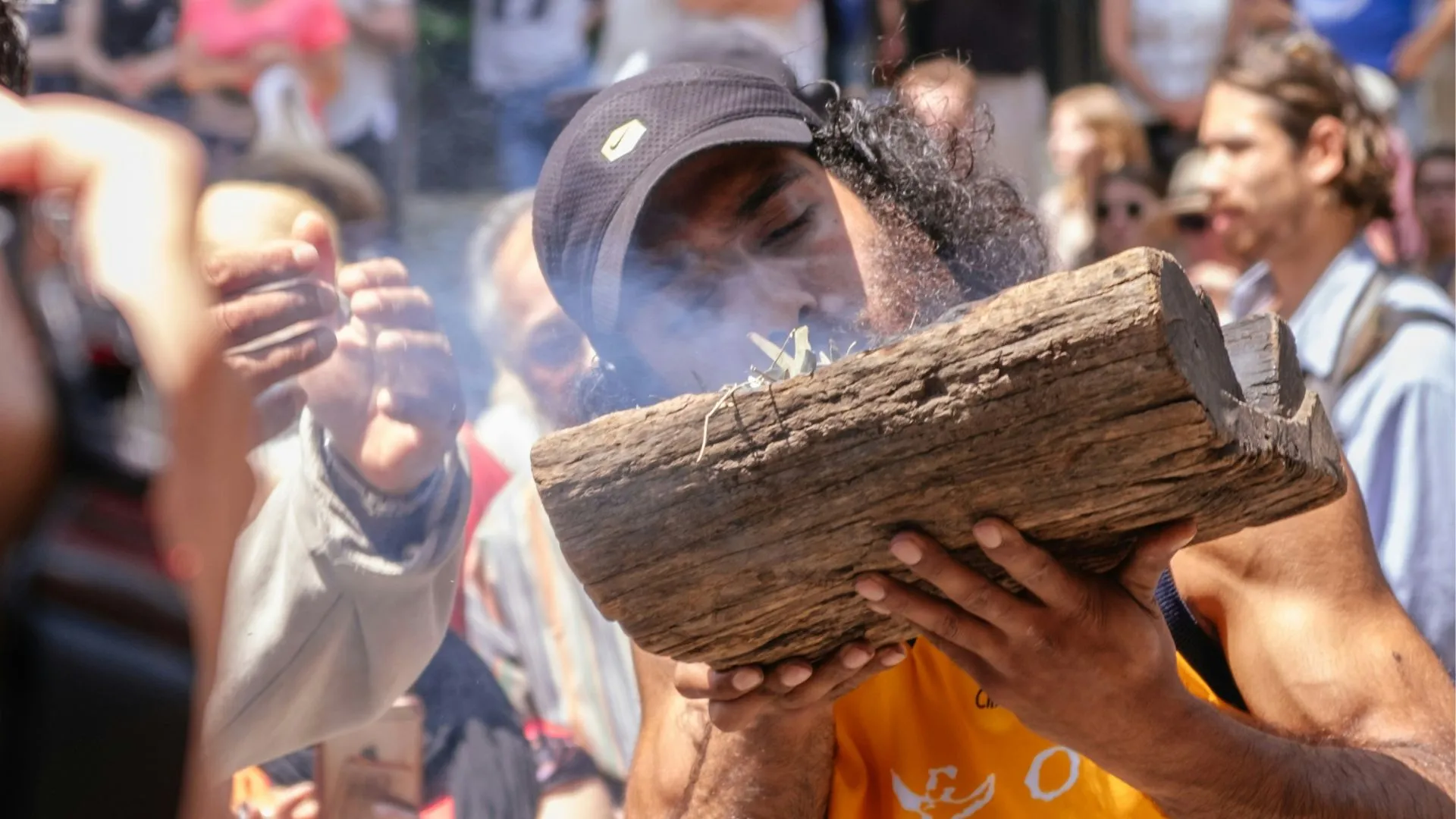
Every NAIDOC Week event should open with a Welcome to Country or, at minimum, an Acknowledgement of Country.
Welcome to Country can only be given by a Traditional Custodian of the land where your event is taking place. It is a formal invitation onto Country and a granting of safe passage. For NAIDOC Week events, a Welcome to Country from a local Elder is the appropriate and preferred approach – contact your local land council or Aboriginal community organisation to arrange one.
Acknowledgement of Country can be given by anyone, Indigenous or non-Indigenous. It’s a statement of respect for the Traditional Custodians of the land and their ongoing connection to it. If a Welcome to Country isn’t possible, an Acknowledgement is still meaningful and important – but don’t treat it as a box to tick. A thoughtful, personalised acknowledgement lands better than a generic script.
What educational events work for NAIDOC Week?
NAIDOC Week is an opportunity for genuine learning – not a surface-level cultural sampler, but substantive engagement with history, language and Country.
Panel discussions and talks – Invite Aboriginal and Torres Strait Islander speakers to discuss the year’s NAIDOC theme or topics they want to address. This is particularly effective for workplace and campus events. Pay speakers for their time.
Language workshops – Australia has over 250 distinct First Nations language groups. A workshop with a local language custodian can introduce participants to place names, greetings and the significance of language to cultural identity.
History walks and Country tours – Engage a local Indigenous guide to lead a walk through local Country, covering land management practices, plant knowledge, and the history of the area from a First Nations perspective.
Film screenings – Screen documentaries or films made by Aboriginal and Torres Strait Islander filmmakers, followed by a facilitated discussion. NITV and SBS On Demand have extensive libraries; check with local filmmakers about community screenings of their work.
Storytelling sessions – Oral tradition is central to Aboriginal and Torres Strait Islander cultures. Work with local Elders or knowledge keepers to present traditional stories. These sessions work well for all ages, including school programs.
What cultural events suit NAIDOC Week?
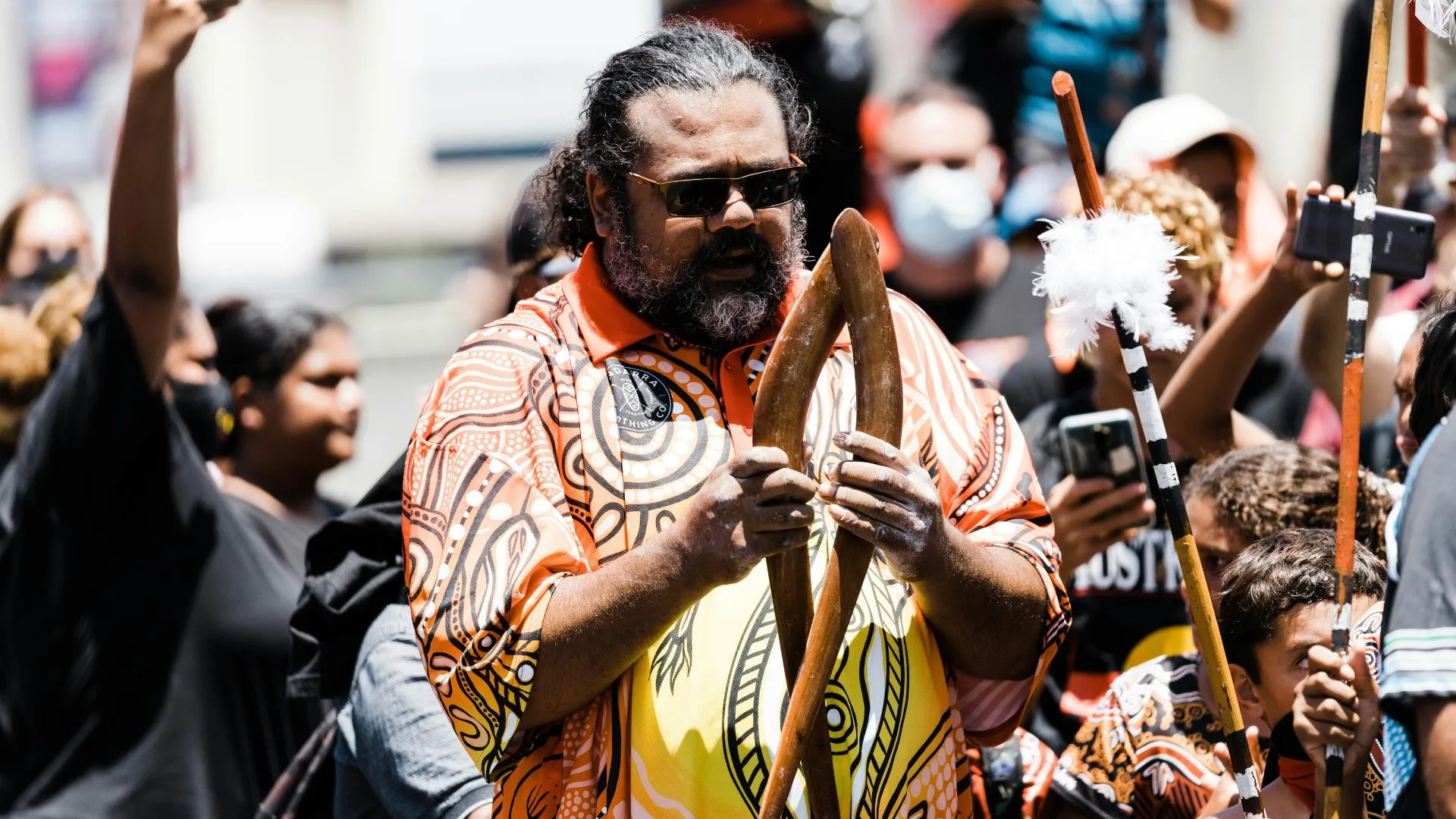
Live performance – Invite a local Aboriginal or Torres Strait Islander dance or music group to perform. When approaching groups, be clear about your event’s purpose, budget, and audience, and ensure performers are compensated fairly.
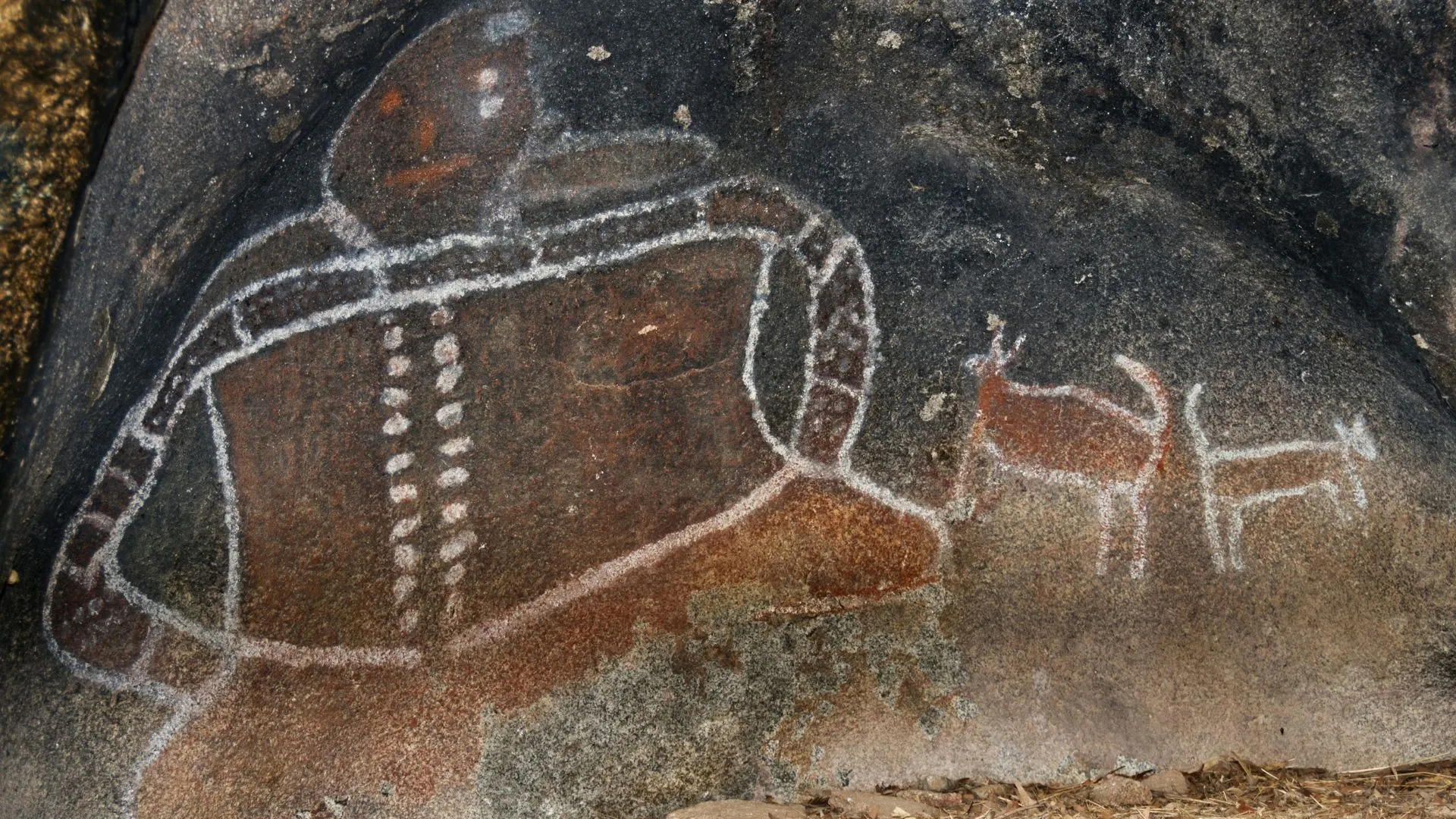
Art exhibitions and workshops – Host an exhibition featuring local Aboriginal and Torres Strait Islander artists, or run a workshop where an Indigenous artist teaches a specific technique with appropriate cultural context. Not all art forms are open for anyone to learn – your community partners can guide what’s appropriate to share.
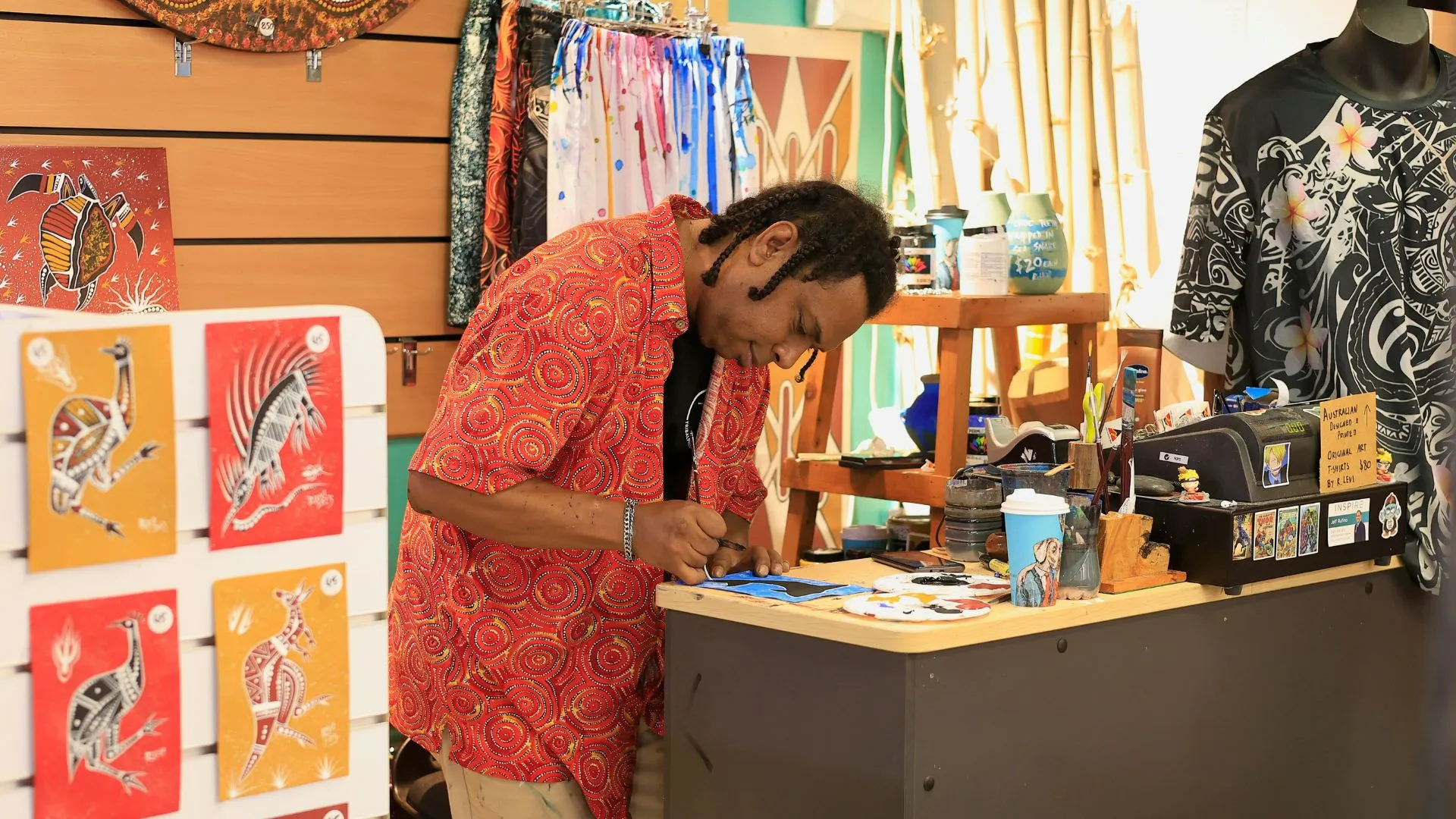
Arts and crafts markets – A NAIDOC Week market featuring Indigenous-owned small businesses is a straightforward way to support artists and makers directly. Promote First Nations stallholders clearly and give them a prominent, accessible space.
Bush tucker events – Work with a local Indigenous caterer to present a tasting of native Australian foods – wattleseed, lemon myrtle, quandong, bush tomatoes – with information about the cultural and nutritional significance of each ingredient. Collect dietary requirements during your booking process.
Traditional games – Events like marngrook, woomera throwing and other traditional activities make for engaging, family-friendly programming. Work with local community members to ensure these are presented in the right cultural context.
What community events work for NAIDOC Week?
NAIDOC fun run or walk – A community walk or fun run is inclusive, easy to scale, and gives people of all ages a reason to gather. Consider a route that passes through sites of cultural significance, with guided commentary.
Community art project – Commission or co-create a lasting piece with local Indigenous artists – a mural, mosaic or planted native garden. These projects extend NAIDOC Week’s impact beyond the week itself.
Book launches and author talks – Support Aboriginal and Torres Strait Islander authors by hosting a launch or talk. This works well for schools, libraries, bookshops and corporate events.
School programs – Coordinate with local Elders or Indigenous community members to deliver cultural sharing sessions for students. Schools should engage their local Aboriginal education consultative group for guidance on appropriate programming.
What makes a NAIDOC Week event meaningful?
A few principles that apply to all of the above:
Pay people fairly. Elders, artists, performers, guides and speakers are contributing cultural knowledge and expertise. They should be compensated appropriately – not asked to volunteer their time for the benefit of a non-Indigenous organisation.
Centre First Nations voices. The event should be shaped by Aboriginal and Torres Strait Islander people, not just involve them. Seek input from the start, not at the end.
Be clear about your event’s purpose. Is it for your workplace, your school, the broader community? Who is the audience? Being clear about this helps your community partners advise you properly and helps attendees know what to expect.
Think beyond the week. NAIDOC Week is a catalyst, not a cap. The relationships you build with local community organisations, the commitment to learning, and the actions you take in support of First Nations peoples should continue year-round.
How can TryBooking help with my NAIDOC Week event?
If you’re charging admission, running a ticketed dinner, or managing bookings for a workshop, TryBooking lets you set up your event in minutes. You can use the custom forms feature to collect important information during the booking process – dietary requirements for bush tucker events, school year levels for education programs, or accessibility needs for any event. Free events are genuinely free on TryBooking, with no fees charged to attendees.