Networking event ideas
Networking events work when people leave having made at least one connection that feels worth maintaining. That’s a higher bar than it sounds, and a standard room-with-drinks format often doesn’t clear it. This guide covers format ideas and practical planning advice for running networking events that people actually want to attend.
Why does the format of a networking event matter so much?
Most people find unstructured networking uncomfortable. Standing in a room full of strangers with a drink, hoping to spark a meaningful conversation, is anxiety-inducing for a lot of attendees – even experienced professionals.
The formats below all share a common quality: they give people something to do together, which makes conversation easier and the connections more genuine. Choose the format that suits your audience and the purpose of the event.

How does speed networking work?
Speed networking borrows from speed dating – attendees rotate through short one-on-one conversations with a signal (a bell, a timer) to move on. Each conversation is typically two to five minutes.
It works well when your attendees are from varied industries or backgrounds and benefit from a broad sweep of connections. It’s less useful when your audience is a tight professional community where everyone already knows each other.
A few things that make speed networking work:
- Set the time limit and stick to it. Consistency is what makes the format fair and keeps energy high
- Provide a prompt or question for each round. “What are you working on right now?” or “What’s one thing you wish more people in this industry understood?” gives people an immediate starting point
- Keep total rounds to 8–12. Beyond that, fatigue sets in and conversations become formulaic
- Allow a free-mingling period afterwards for people to reconnect with anyone they wanted more time with

What is workshop-based networking?
Giving people a shared task is one of the most reliable ways to generate genuine connection. When participants are working alongside each other rather than presenting themselves to each other, conversation flows naturally and barriers drop.
Formats that work well:
- Skill-sharing workshops – photography, public speaking, writing, presentation skills, financial literacy. Choose a topic relevant to your audience
- Creative activities – drawing, painting, ceramics, photography walks. These work particularly well for audiences that spend most of their professional lives in meetings
- Problem-solving sessions – small groups work on a real industry challenge. Best for professional associations or industry groups
For any workshop format, the instruction component should be short enough to leave plenty of time for participants to interact. The activity is the vehicle; the connection is the point.
How can panel discussions encourage networking?
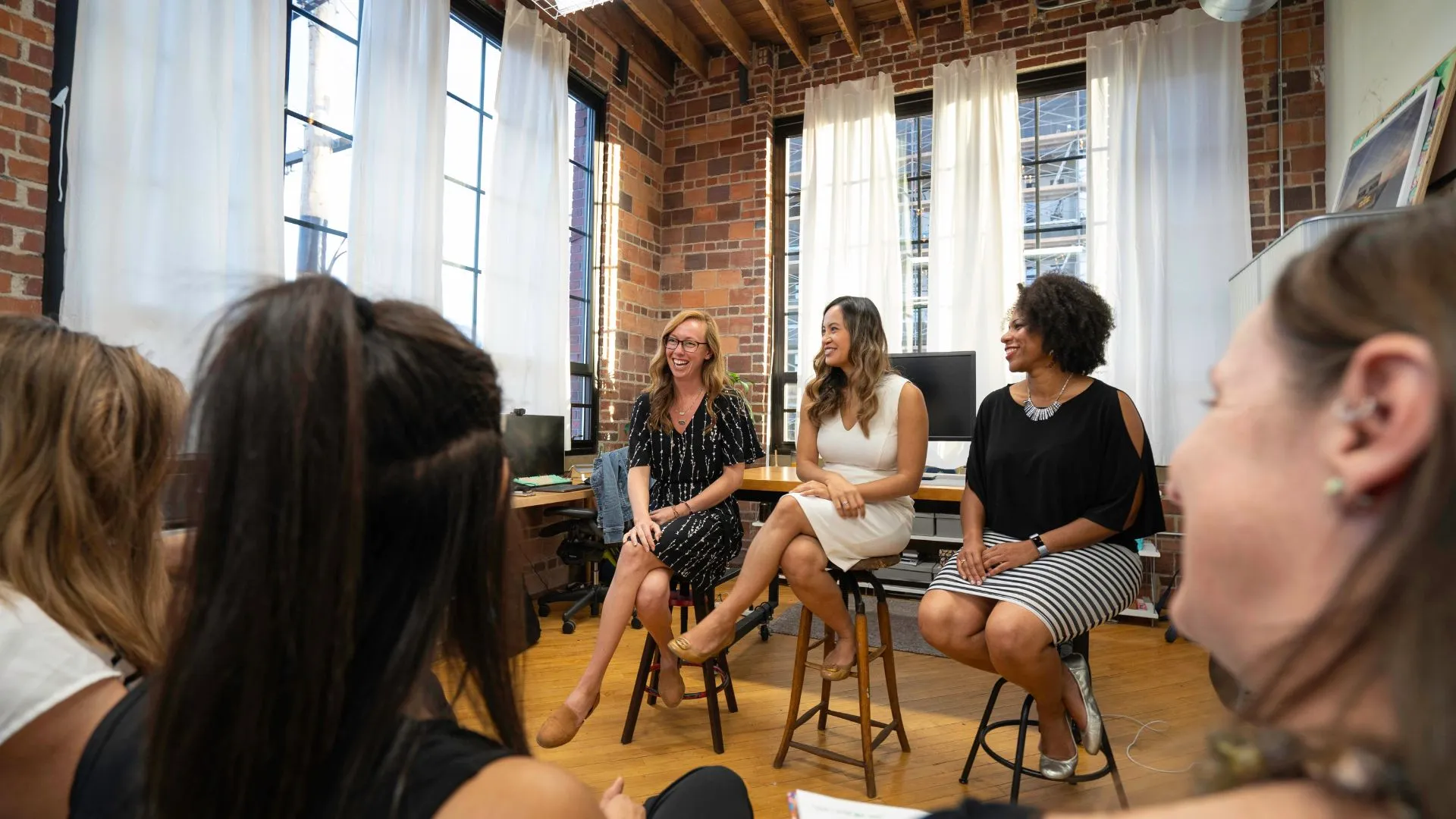
A panel with genuinely knowledgeable speakers gives people common ground before they’ve spoken to each other. Attendees leave with shared reference points (“what did you think about what the second speaker said about X?”) that make post-panel conversation easier.
For networking purposes, the discussion period is as important as the panel itself:
- Allow at least 20–30 minutes of Q&A and open discussion, not just five minutes at the end
- Use small breakout conversations between panel sections to let attendees discuss what they’ve heard before the next segment
- Choose a topic with genuine disagreement or current relevance in your industry – controversy (the professional kind) generates energy
If you’re collecting registration information in advance, ask attendees what questions they’d like addressed. This surfaces better questions than on-the-spot requests, and it signals to attendees that the event is structured around their interests.

What games and icebreaker formats work for networking?
Games lower social barriers faster than almost any other format. The best networking games share three features: they’re easy to explain, they require interaction with multiple people, and they have a light competitive or discovery element.
Some formats that consistently work:
- Human bingo – a card with characteristics or achievements (“has lived overseas”, “has changed careers more than once”, “has run an event for 500+ people”). Attendees circulate to find people who match each square
- Two truths and a lie – classic, easy, scales to any group size
- Industry trivia – a short quiz relevant to your field. Teams of strangers, scored lightly, followed by a debrief where people introduce themselves
The goal isn’t to entertain people for the whole event – it’s to break the ice in the first 20–30 minutes so that the rest of the evening is self-sustaining. Games should be a starter, not the main act.
What collaborative experience formats encourage real connections?
These go a step further than workshops – the output is something created together, which gives participants a shared memory and a genuine reason to stay in touch.
Ideas that work for professional networking:
- Escape rooms – run as a competitive format (two or more teams) or a single collaborative challenge. Works especially well for smaller groups (10–30 people)
- Improv workshops – uncomfortable for some, but highly effective at building rapport quickly. Best positioned as optional or clearly signalled in advance
- Hackathon-style problem sessions – small groups tackle an industry challenge with a time limit. Common in tech and startup communities, but adaptable to most industries
For any collaborative format, keep the groups small (four to eight people) and mix them intentionally rather than letting people self-select – self-selection usually produces groups of people who already know each other.
How do I run virtual or hybrid networking events?
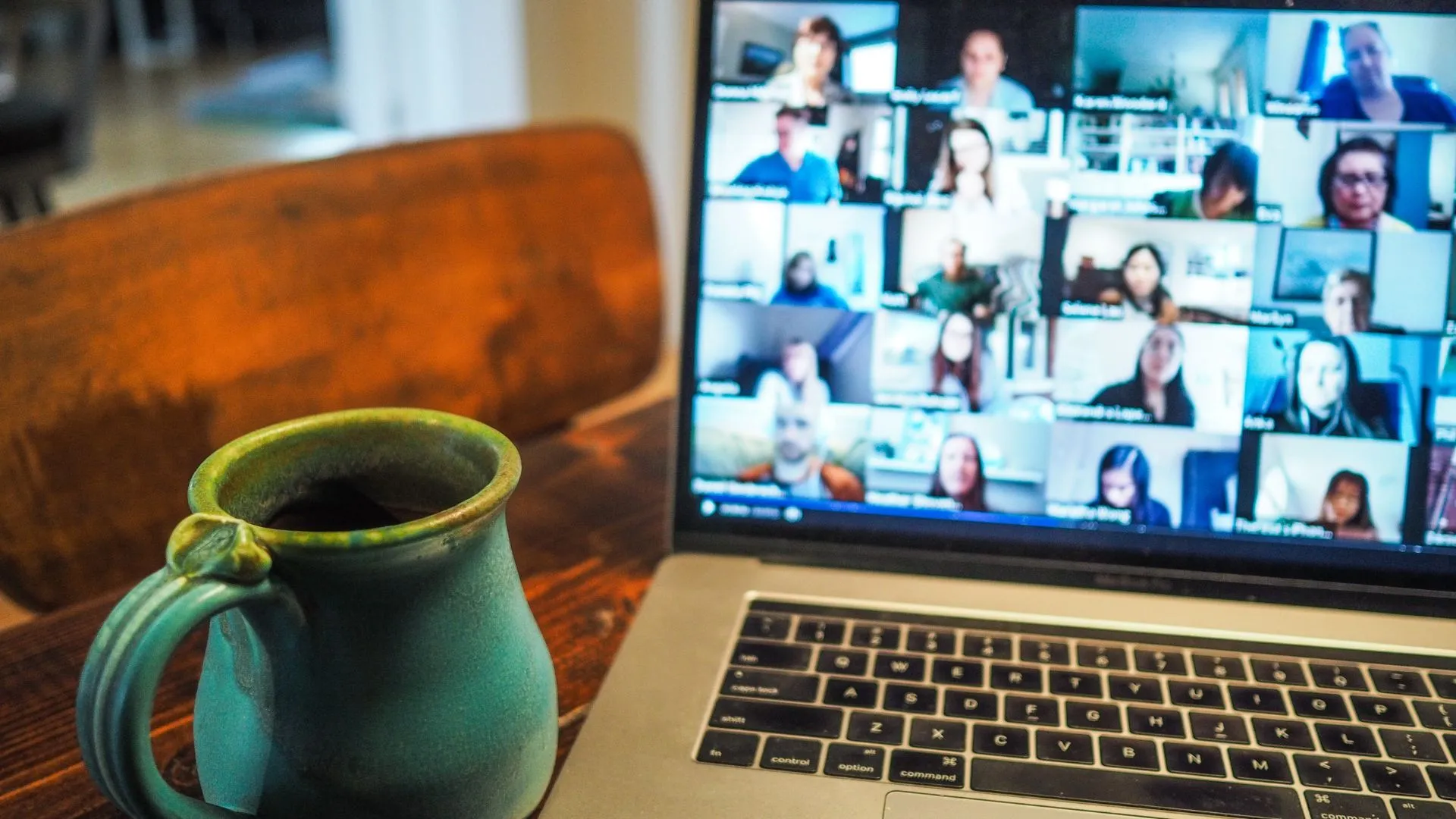
Virtual networking events require more structure than in-person ones because the social awkwardness of a video call is even higher than an empty room. A few things that help:
- Use breakout rooms liberally. Smaller groups (three to five people) produce better conversation than large video calls
- Give each breakout a prompt or task. Don’t just open breakout rooms and hope – give people a question to answer or a task to complete together
- Rotate groups. Two or three rounds of breakouts, each with a different mix of people, works similarly to speed networking
- Keep the event short. Ninety minutes is about the limit for productive virtual networking. Two hours feels long; three hours is exhausting
For hybrid events, ensure that virtual participants have structured access to in-person attendees, not just a live stream of the room. Designate someone in the room to actively facilitate connections between the two groups.

What practical tips help when planning a networking event?
Know your audience before choosing a format. A room full of introverted engineers has different needs than a group of salespeople. A highly structured format with clear instructions will serve a mixed or unfamiliar audience better than an open format.
Promote attendee information in advance. A simple LinkedIn-style attendee list shared before the event lets people identify who they want to connect with and arrive with a plan. This is especially valuable for smaller, more targeted events.
Get the venue right. Noise is a significant barrier to conversation. A room that’s too loud forces people into smaller, more closed groups. Prioritise acoustic quality and ensure there’s enough space for people to move around freely.
Follow up after the event. A simple email the following day – with a brief summary of what was discussed or links to resources mentioned – gives attendees a reason to respond and an easy way to reconnect with people they met.
How can TryBooking help manage networking event registrations?
If you’re running a ticketed networking event, TryBooking lets you collect registration information – including attendee interests, areas of expertise, or breakout preferences – through custom registration forms at the point of booking. That information can help you plan your format, assign breakout groups in advance, or brief speakers on who’ll be in the room.
Set up your event at trybooking.com and you’ll have registration live in minutes.