Wellness event ideas to inspire your community
This guide covers ten wellness event formats for community groups, gyms, and workplace programmes – from low-cost nature walks to specialist sound healing sessions.
Wellness has moved firmly into the mainstream – and event organisers are well placed to ride that wave. Whether you run a community group, a gym, a workplace wellness programme or a neighbourhood association, a well-planned wellness event gives people a reason to gather, slow down and invest in their health.
This guide covers ten wellness event ideas to help you get started, from low-cost outdoor activities to structured workshops that bring in local experts.
What wellness event ideas are covered in this guide?
- 1. Nature walks and hikes
- 2. Wild swimming
- 3. Forest bathing
- 4. Mindfulness practices
- 5. Sound healing
- 6. Cooking demonstrations
- 7. Health fairs
- 8. Wellness workshops
- 9. Fitness classes
- 10. Health screenings
- 11. Planning tips
How do I organise a nature walk or hiking event?
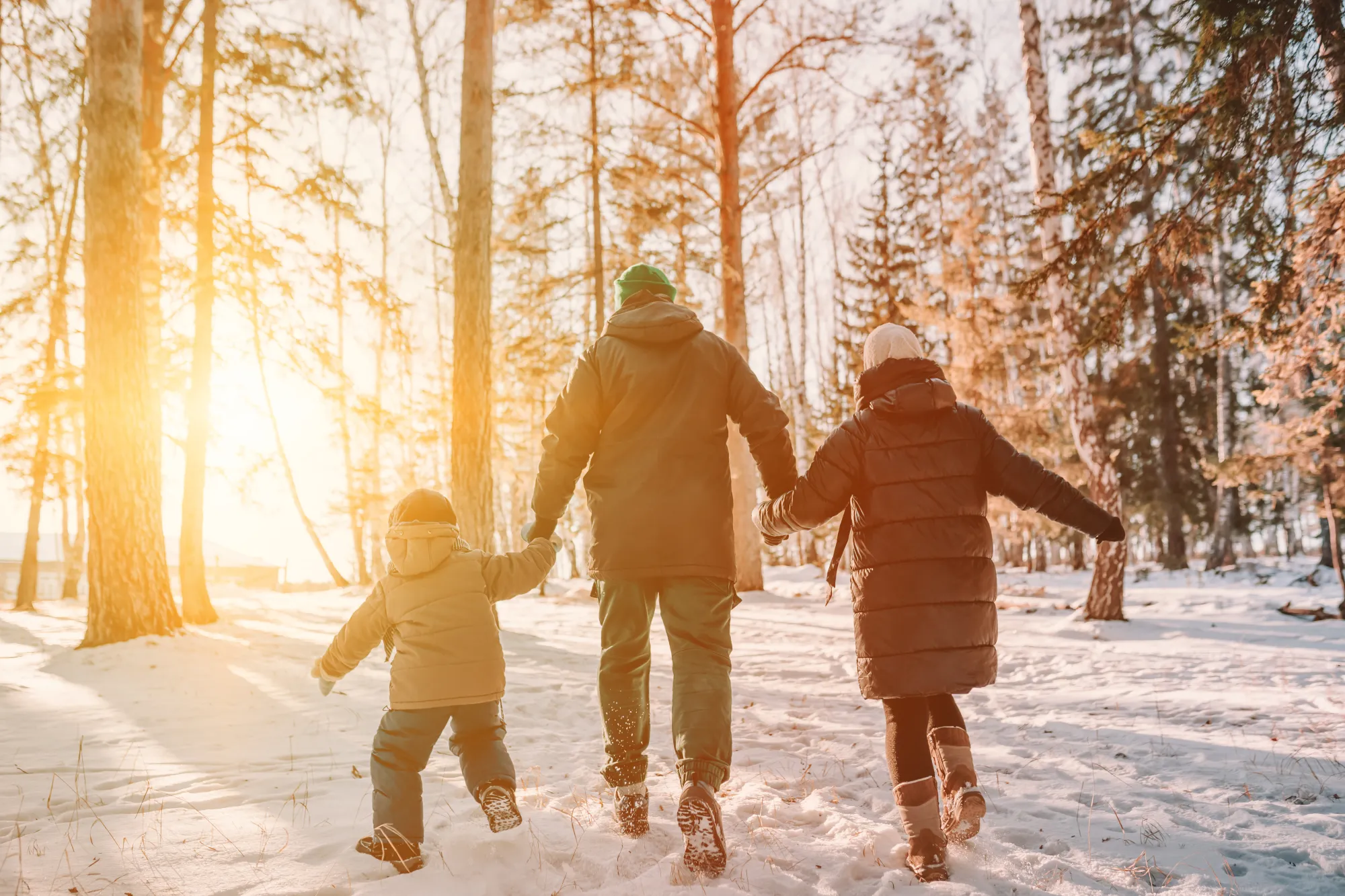
Getting outside and moving through nature is one of the most accessible wellness activities you can offer. There’s no specialist equipment, no instructor fees, and almost no barrier to participation.
A group walk or hike works well as a standalone event or a regular series. Choose a route that suits your audience – a flat loop around a local park for beginners, or a longer trail through a national park for those who want more of a challenge. Cap your numbers so no one gets left behind, and consider sending a simple pre-event brief covering what to wear and how to get there.
The social element is often what keeps people coming back. Build in a halfway stop where people can rest and chat, or finish at a café or picnic spot.
What makes a good wild swimming event?
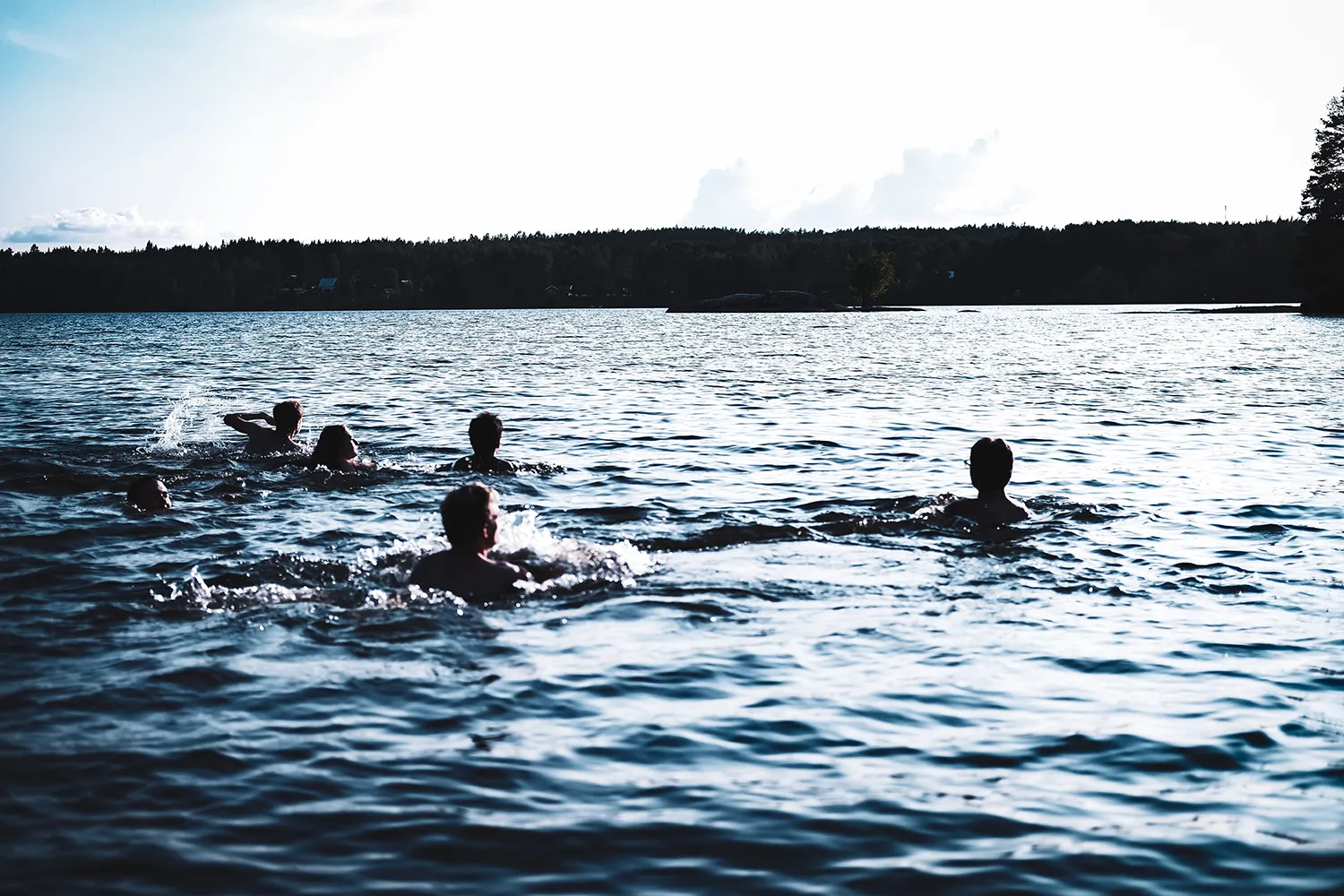
Wild swimming events give people a chance to explore local waterways – lakes, rivers and tidal pools – in a way that combines exercise, cold-water immersion and community. There’s strong evidence that regular cold-water swimming improves mood and reduces stress, which makes it a natural fit for wellness programming.
Safety planning is essential. Before you open bookings, scope the location for entry and exit points, check for any seasonal hazards, and decide whether you need a qualified water safety officer on the day. It’s also worth asking attendees about relevant health conditions during the booking process – TryBooking’s custom forms feature makes this straightforward.
What is forest bathing and how do I run one?
Forest bathing (known in Japan as shinrin-yoku) is a guided practice of slowing down and deliberately engaging with your natural surroundings. It’s less a walk and more a sensory experience – participants are encouraged to pause, observe, breathe and connect with the environment around them.
Unlike hiking, the goal isn’t to cover distance. A 90-minute session in a local woodland or botanic garden can be enough. A trained guide helps, but even a thoughtfully led group walk can capture the spirit of the practice.
It pairs well with other activities – consider combining it with a brief breathwork session at the end, or a mindfulness circle once you return from the trees.
How do I run a mindfulness event?
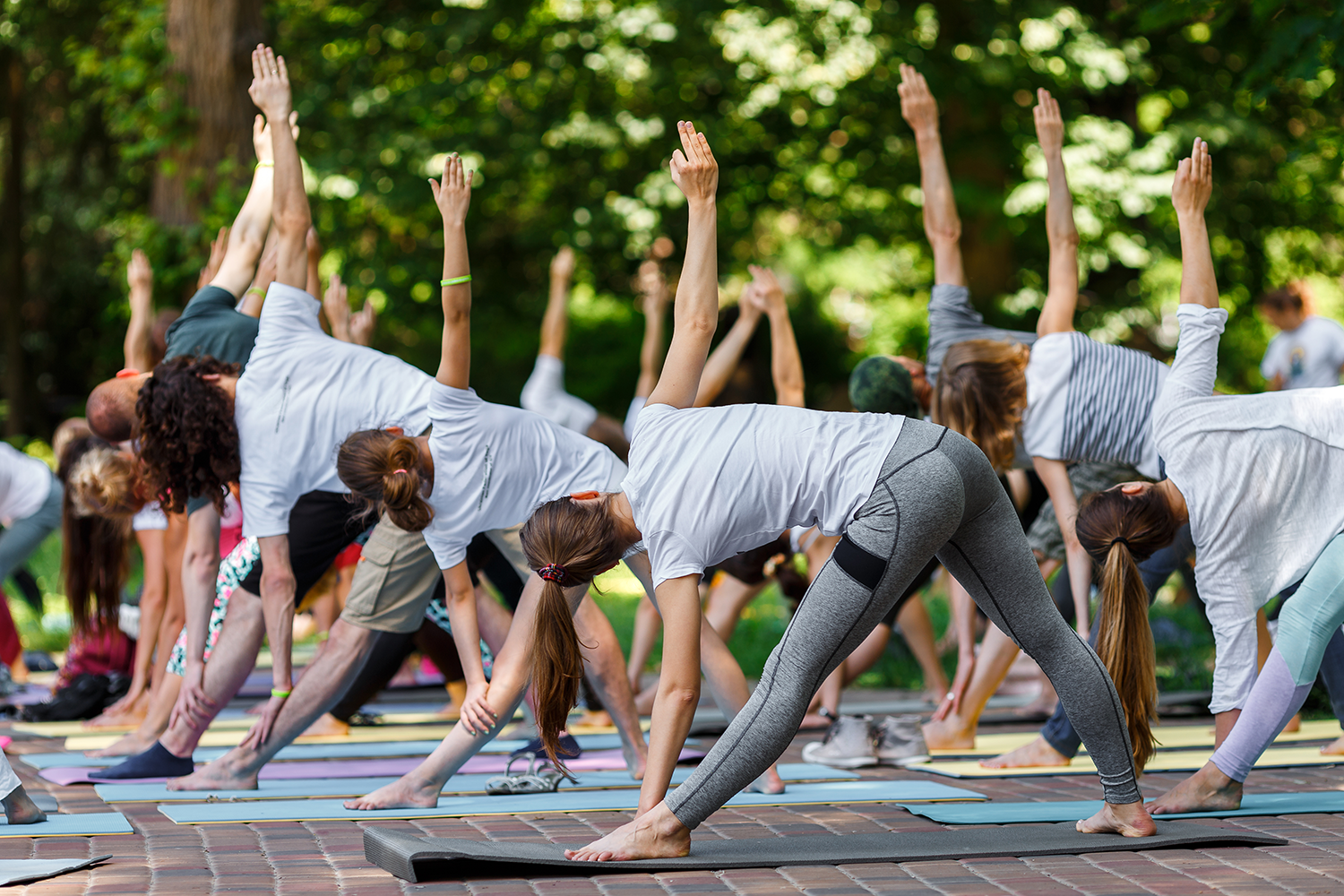
Guided meditation, yoga and other mindfulness practices give people practical tools to manage stress and improve their mental health. These events are especially valuable for people who are new to mindfulness and benefit from structure and group accountability.
You don’t need a large venue or expensive equipment. A local community hall, park pavilion or even an office meeting room can work. Partnering with a local yoga teacher or meditation facilitator keeps the session grounded and professional.
For further reading on mindfulness, Health Direct Australia has a useful overview.
What is a sound healing session and how does it work?
Sound healing sessions use instruments – singing bowls, gongs, chimes, tuning forks – to guide participants into a deeply relaxed state. Attendees typically lie on mats while the facilitator moves through the space, layering sounds that slow the nervous system and encourage mental stillness.
Sessions generally run 60 to 90 minutes and require very little of the participants, which makes them accessible to people who find more active wellness practices difficult. The main practical requirement is a quiet indoor space large enough for everyone to lie down comfortably.
If you’re new to sound healing, look for certified practitioners through local wellbeing networks or yoga studios. Attendance tends to be limited by the size of the space rather than demand, so it’s worth setting up ticketed sessions with clear capacity limits.

How do I organise a healthy cooking demonstration?
A cooking demonstration is a practical, hands-on way to encourage healthier eating habits. Attendees get to watch a professional at work, ask questions and – ideally – taste the results.
Bring in a local chef, nutritionist or dietitian to lead the session. A meal prep focus works especially well: teaching people how to prepare a week’s worth of healthy meals in advance is genuinely useful and tends to land well with busy participants.
Keep numbers manageable so everyone can see what’s happening. Ask attendees about dietary requirements and allergies during the booking process – you’ll need this information well before the day so your demonstrator can plan accordingly.
What goes into planning a health fair?
A health fair is a multi-stall event where attendees can explore a range of wellness topics at their own pace. Think: a nutritionist offering dietary advice, a physiotherapist demonstrating posture correction, a mental health organisation running a quiet drop-in space, and a local gym doing fitness assessments.
Health fairs work well at community centres, schools and corporate campuses. The format is flexible – you can run it over a few hours or a full day.
Curate your exhibitors carefully. A mix of practitioners, local businesses and not-for-profit health services gives attendees a broader experience than a purely commercial setup. Brief your exhibitors in advance on your audience and the tone you’re going for.
What types of wellness workshops can I run?
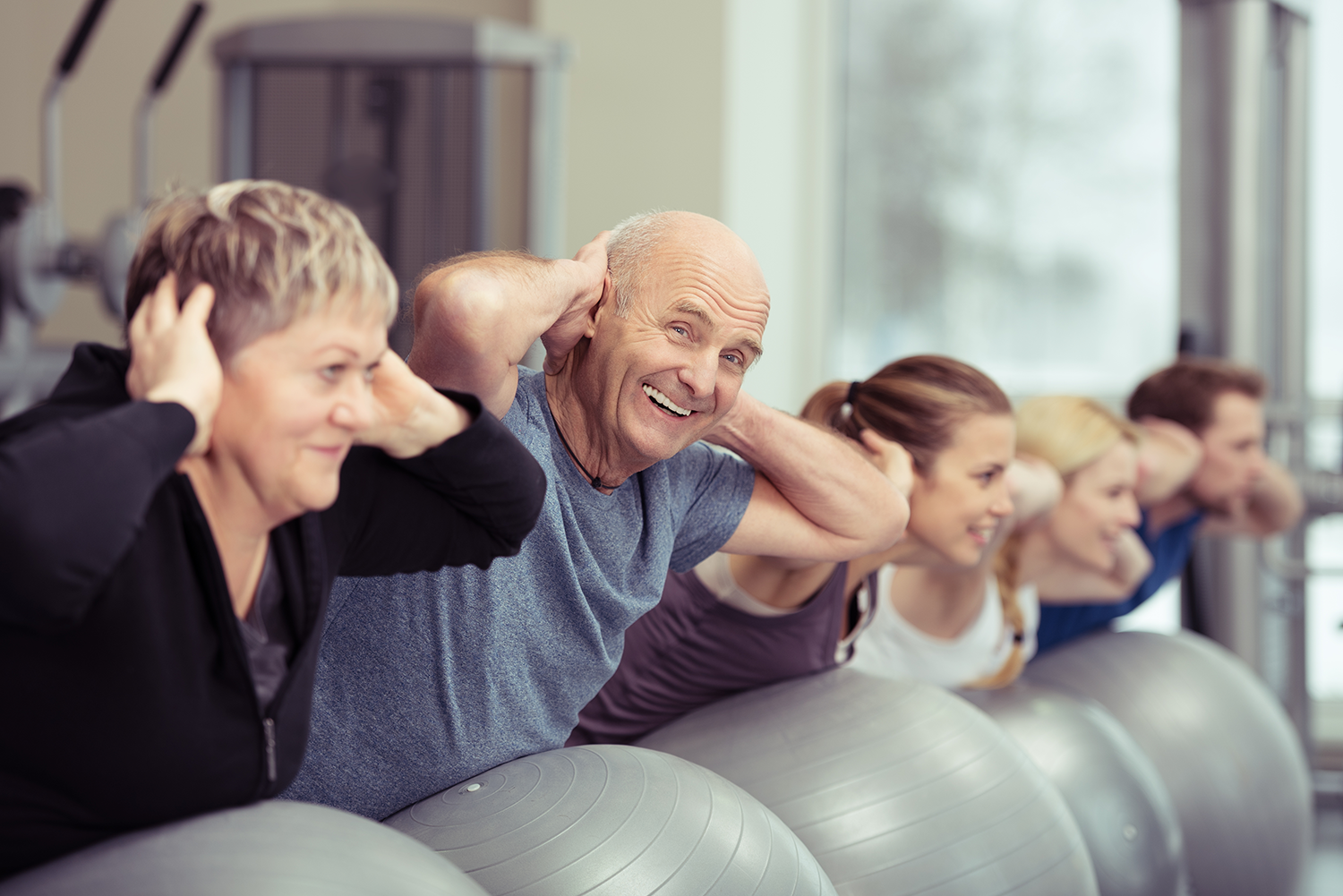
Workshops go deeper than demonstrations – they’re structured learning experiences where attendees actively participate. Popular topics include stress management, sleep hygiene, resilience building and nutrition fundamentals.
If you have relevant expertise, running your own workshop is a cost-effective option. If not, partnering with a local mental health charity, community health centre or wellbeing business can bring in credibility and draw on an existing audience.
A good workshop leaves people with something practical they can use immediately – a technique, a habit, a resource list. Build in time for questions and keep group sizes small enough that people feel comfortable asking them.
How do I set up a community fitness class?
Fitness classes are one of the most established ways to bring people together around physical wellbeing. Yoga, pilates, barre, spin, circuit training and boot camps all translate well into community event formats.
The key to a good fitness class event is matching the activity to your audience. A beginner yoga session for office workers has different requirements – in terms of space, instructor experience and pacing – than a high-intensity boot camp for recreational athletes.
If you’re running a series of classes, setting up timed sessions with capacity limits through your ticketing platform helps you manage attendance and avoids overcrowding. TryBooking’s timed entry feature is worth looking at for this.
How do I organise a health screening event?
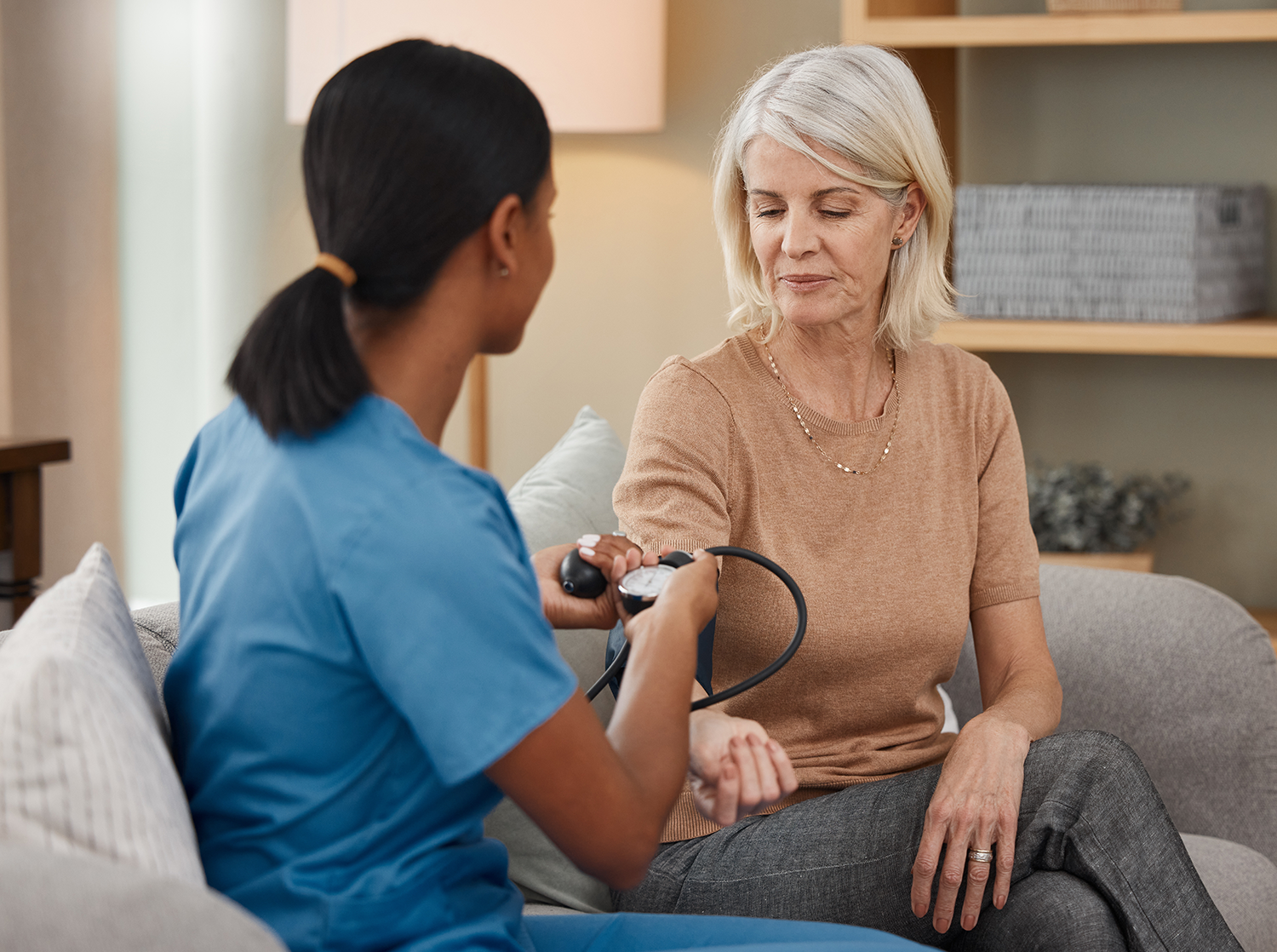
Health screenings offer attendees something tangible: real information about their health. Blood pressure checks, cholesterol tests, skin cancer checks, hearing tests and vision assessments are all options, depending on the partnerships you can arrange.
Reach out to your local GP clinic, community health service or hospital to explore what’s possible. Many health professionals are willing to participate in community screening days, particularly when there’s no commercial angle.
Clear communication is important. Let attendees know in advance what screenings will be available, whether they need to fast beforehand, and how results will be handled and stored.
What planning tips apply to all wellness events?
Whatever format you choose, a few principles hold across all wellness events:
Make it accessible. Offer a range of activities so people with different abilities, fitness levels and budgets can participate. Clearly communicate what each session involves so people can make an informed choice.
Promote it early and widely. Wellness events often attract people who aren’t your regular audience – someone who wouldn’t normally come to a community event might show up for a stress management workshop. Use local noticeboards, community Facebook groups, workplace intranets and newsletters.
Collect what you need at registration. Health conditions, dietary requirements, experience level – gathering this upfront means you can plan properly and brief your facilitators, rather than discovering surprises on the day.
Build a feedback loop. A short post-event survey tells you what landed, what to drop and whether people want a repeat. It also gives you quotes you can use to promote future events.
For ticketing and registration, TryBooking lets you set up event pages, manage capacity, collect custom registration data and handle payments – all in one place.