125+ event ideas for every occasion
This guide lists 125+ event ideas organised by type – corporate, social, virtual, family, and themed – with practical notes on what each involves and who it suits.
Planning an event is exciting – but staring at a blank page trying to come up with ideas is not. Whether you’re organising your first corporate function, a community fundraiser, or a themed party for friends, having a clear starting point makes all the difference.
We’ve pulled together 125+ event ideas across six categories to give you that starting point. Browse the full list, or jump straight to the section that suits your occasion.
What event ideas are covered in this guide?
- 1. Corporate event ideas
- 2. Fun social event ideas
- 3. Virtual event ideas
- 4. Kids and family event ideas
- 5. Unique event ideas
- 6. Themed event ideas
- 7. Final tips for your event
What are the best corporate event ideas?
Stuck planning a corporate event that doesn’t feel like a mandatory work obligation? You’re not alone. The best corporate events give people a reason to actually show up – whether that’s learning something useful, celebrating a win, or just enjoying each other’s company outside the usual meeting format.
Here are 22 corporate event ideas worth considering.
1. Product launch events
You’ve been working hard on your latest project and it’s time to show it off. Product launch events are the perfect way to generate buzz and excitement around your new product or service.
With creative demonstrations, hands-on samples, and well-timed giveaways, you’ll leave attendees eager to spread the word. The format can range from a private client evening to a media-facing showcase – the key is choosing the scale that suits your audience and your announcement.
Consider pairing your launch with a brief Q&A or demonstration period so attendees can ask questions while the excitement is still fresh. That interaction often does more for awareness than any marketing material you could hand out at the door.
2. Team-building events
Team-building events work best when they’re genuinely enjoyable – not just a tick-box exercise. The format can vary widely: outdoor challenges like paintball or obstacle courses, or indoor alternatives like escape rooms or trivia nights.
The goal is to give people a shared experience that builds rapport and communication outside their usual work context. When people have fun together, they tend to work together better – and that shift can be surprisingly durable.
If you’re planning for a diverse team, think about activities that don’t require a specific physical ability or prior experience. The most inclusive team-building events are the ones where everyone starts at the same level and genuinely improves together.
3. Holiday parties
Whether it’s Christmas, Halloween, or even National Donut Day, there’s always a reason to celebrate. Holiday parties are a great way to bring your team together and let loose – festive decorations, food, and a few well-chosen games go a long way.
The best holiday parties have a clear theme and a good mix of structured activities and free time to socialise. Don’t fill every minute with organised fun – leave space for people to actually talk to each other. And start planning early: popular venues fill up fast in the lead-up to Christmas and end-of-year events.
4. Networking events
Networking events give professionals the chance to meet new people, exchange ideas, and build relationships outside their immediate circle. Whether it’s a casual cocktail hour or a structured conference session, the format matters less than creating conditions where good conversations can actually happen.
Think about how to reduce the awkwardness that often kills networking events. Name tags that include a conversation starter, a clearly defined format with short structured introductions, or a shared activity that gives people something to talk about – any of these can shift the energy from stilted to genuinely useful.
The best networking events often have a clear focus: a particular industry, a specific challenge, or a defined professional community. Shared context makes it much easier for people to find common ground quickly.
5. Conferences and trade shows
Industry conferences and trade shows are useful for showcasing your business, meeting potential clients, and keeping up with what’s happening in your field. Strong keynote speakers and well-run breakout sessions make the difference between an event people remember and one they forget by Monday.
If you’re exhibiting at a trade show rather than organising one, invest in a booth that communicates your value proposition clearly. People walk past hundreds of displays – a bold visual, a memorable demonstration, or an engaging staff member will do far more to attract attention than a table covered in printed brochures.
For conferences you’re organising yourself, the networking time between sessions is often rated just as highly as the content. Build in enough space for people to actually connect.
6. Employee appreciation events
Your team keeps things running – showing genuine appreciation matters. Employee appreciation events don’t need to be elaborate. A casual dinner, a team outing, or even a well-organised morning tea can go a long way toward making people feel recognised and valued.
What matters most is that the recognition feels specific and sincere, not formulaic. Acknowledge real contributions, call out individual efforts, and choose a format that your team will actually enjoy rather than one that looks good on paper.
A few questions worth asking before you plan: What does your team genuinely enjoy doing together? What time of year suits them? And have you asked what they’d find meaningful? The answers might surprise you.
7. Charity events
Hosting a charity event is one of the most rewarding things an organisation can do. Whether it’s a fundraiser, a donation drive, or a volunteer day, charity events bring people together for a shared purpose and give your organisation a chance to contribute meaningfully to the community.
The most successful charity events make it easy to participate and easy to give. Clear messaging about where the money goes, transparent goals, and a compelling story about the cause all increase the likelihood that people will donate generously and come back next year.
Consider building in a public recognition element – naming major donors, sharing real-time fundraising progress, or celebrating milestones during the event – to create momentum and encourage participation throughout the night.
8. Award ceremonies
Award ceremonies create a moment to recognise exceptional work in a way that sticks. With well-crafted awards and thoughtful speeches, you’ll leave attendees feeling proud – and give them something to look forward to next year.
The format matters: keep speeches tight, make sure the award categories are meaningful, and build in some entertainment or celebration between the serious moments. An award ceremony that drags loses the room; one that moves well and feels genuinely warm creates a strong sense of community.
Consider whether you want to run a nomination process, a panel vote, or a combination of both. Transparent selection criteria give the awards more credibility and reduce the risk of them feeling political.
9. Sales kick-off events
A strong sales kick-off sets the tone for the year ahead. Combine inspiring presentations with practical sales training and some team energy, and you’ll send your team into the new period feeling motivated and focused.
The best sales kick-offs balance inspiration with practicality. Motivating speeches are great, but your team also needs concrete tools, updated messaging, and clarity on goals and quotas. Mix formats: keynote sessions, small group workshops, peer-sharing panels, and social time.
Don’t forget that kick-offs are also a chance to celebrate what worked last year. Recognition builds momentum, and a team that feels proud of what they’ve achieved is more ready to go again.
10. Executive retreats
Getting leadership away from the office – even briefly – creates space for the kind of strategic thinking that gets crowded out by day-to-day demands. Executive retreats work best when there’s a clear agenda alongside genuine downtime.
Choose a location that genuinely changes the environment: a bush property, a coastal retreat, or anywhere that feels distinctly different from the usual office setting. The change of context encourages different thinking.
Build in structured facilitation sessions for the strategic work, but leave unstructured time for informal conversations. Some of the most important decisions in organisations get made over breakfast or a walk – not in the meeting room.
11. Trade shows
Trade shows give you access to a concentrated audience of potential clients and partners. A well-designed booth, a clear value proposition, and a memorable demonstration will do more than a brochure ever could.
Invest in staff who can engage with visitors confidently and quickly. The first 30 seconds of a booth conversation often determines whether it becomes a real lead. Prepare a short, compelling pitch, and make sure your team knows how to qualify interest without being pushy.
Follow up promptly after the event. Trade show leads go cold quickly – a personalised message within 48 hours while the conversation is still fresh will convert far better than a bulk email two weeks later.
12. Investor events
Investor events are about building confidence. A clear business narrative, honest projections, and well-prepared answers to tough questions will leave potential investors with a strong impression of your team and your vision.
Format matters less than preparation. Whether it’s a formal pitch evening, a small dinner with a targeted guest list, or a demo day alongside other ventures, the fundamentals are the same: know your numbers, tell a compelling story, and demonstrate that your team can execute.
Be ready to answer the hard questions. Investors expect founders and executives to have thought through the risks – showing that you have a clear-eyed view of the challenges, and a plan to address them, builds trust more than an overly polished deck.
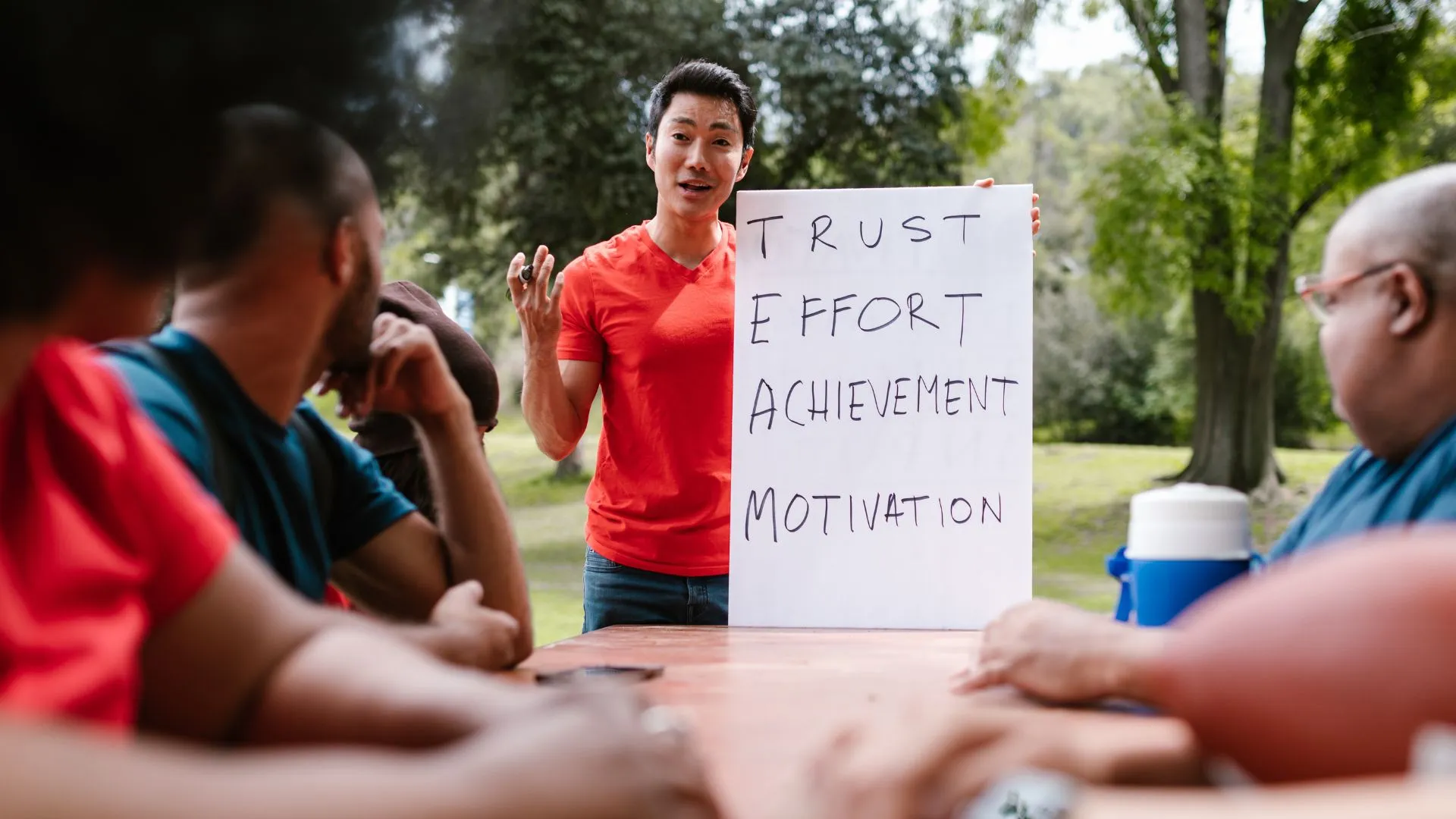
13. Workshops
Workshops are the antidote to passive corporate events. Hands-on activities, real discussions, and practical takeaways give attendees something they can actually use. Whether the topic is leadership, marketing, or a technical skill, a good workshop leaves people genuinely better equipped than when they walked in.
The best workshops have a clear learning outcome and a format that involves participants from the start. Lectures with occasional Q&A are not workshops – real workshops put attendees in the driver’s seat early and keep them there throughout.
Group size matters too. Workshops work best with 10–25 people: small enough for everyone to contribute, large enough for diverse perspectives. Larger groups need more structured facilitation to work well.
14. Leadership summits
Leadership summits bring together experienced and emerging leaders to share knowledge on topics like communication, team-building, and strategic planning. The value isn’t just in the sessions – it’s in the conversations that happen between them.
A well-curated guest list is half the work. When the right people are in the room – those with genuinely relevant experience and diverse perspectives – the formal sessions almost take care of themselves.
Build in structured time for peer-to-peer exchange alongside the keynotes and panels. Small group discussions, facilitated roundtables, or problem-solving sessions focused on real leadership challenges often generate more useful insight than a polished speaker presentation.
15. Recruitment fairs
A recruitment fair lets you bring your employer brand to life in person. Meeting candidates face-to-face, answering their questions honestly, and giving them a genuine feel for your culture will attract the right people far more effectively than a job ad alone.
Think about who you send to represent your organisation. A mix of HR professionals and people who actually do the work – engineers, designers, account managers – gives candidates a more realistic and compelling picture of what it’s like to work for you.
Have clear materials that explain current open roles and the application process, but also be ready to talk about the day-to-day experience of working at your company. Candidates are evaluating you just as much as you’re evaluating them.
16. Industry-specific conferences
Industry conferences give you the chance to go deep on topics that matter in your field. Expert speakers, peer networking, and focused discussions help you stay sharp and connected to what’s changing in your sector.
If you’re organising an industry conference, the speaker selection is the most important decision you’ll make. Choose people who are doing genuinely interesting work – not just well-known names – and give them enough time to actually develop their ideas rather than rushing through a surface-level overview.
For attendees, the value of a good conference often comes from the people you meet in the corridors and at dinner, not just from the formal sessions. Build in social time and make it easy for attendees to connect with each other.

17. Golf tournaments
A golf day mixes business and pleasure in a relaxed format that’s hard to replicate in a boardroom. Even non-golfers can participate – most tournament formats are designed to be accessible and social, with prizes adding a bit of friendly competition.
Shotgun starts and ambrose formats (where teams pick the best shot) keep things social and inclusive regardless of skill level. A post-round lunch or dinner with prize presentations gives everyone a chance to connect after the game.
Consider pairing the golf component with a fundraising element – a hole-in-one competition with a car or travel prize, or a silent auction running alongside the day. Corporate golf days can raise significant funds for charity while delivering a great day for participants.
18. Team building retreats
Getting colleagues out of the office and into a shared experience – whether that’s hiking, cooking, or zip-lining – builds genuine connection in ways that daily work rarely does. Come back with better relationships and you’ll usually find productivity follows.
The location and activities should suit the group. A high-adrenaline outdoor retreat might energise some teams and alienate others. Spend time understanding what your team would genuinely enjoy – and make sure there are inclusive options so nobody feels left out or physically challenged beyond their comfort.
The best retreats also include some reflection time: a shared debrief, a conversation about what’s working and what’s not, or a forward-looking session on what the team wants to achieve together. A retreat with only activities can feel shallow; balance the fun with some genuine depth.
19. Brainstorming sessions
Structured brainstorming sessions – whether that’s a design thinking workshop, a hackathon, or a facilitated idea generation session – help teams move past familiar thinking. Unstructured versions can be just as useful: sometimes a group conversation over lunch generates the best ideas.
A few principles that consistently improve brainstorming: separate idea generation from idea evaluation (don’t critique while you’re creating), include people from outside the immediate team, and get out of the usual meeting room. Environment affects thinking more than most people realise.
Come in with a clear problem statement. Broad questions generate broad answers; a specific, well-framed challenge tends to produce ideas that are actually usable. The sharper the brief, the better the output.
20. Customer appreciation events
Regular customers deserve to feel valued. A customer appreciation event – whether that’s a simple thank-you morning or a proper function with food and entertainment – reinforces loyalty and shows people that their support genuinely matters to you.
Think about personalisation. Knowing something specific about your best customers – their preferences, how long they’ve been with you, what they’ve achieved with your help – and acknowledging it publicly creates a level of connection that generic appreciation events can’t match.
The event format should feel consistent with your brand. A tech company’s customer appreciation event looks very different from a boutique retailer’s. Match the tone, the setting, and the experience to what your customers actually expect from you.
21. Panel discussions
Panel discussions are a great format for exploring a topic in depth through multiple perspectives. They work equally well for internal learning sessions and customer-facing events. The key is choosing panellists who’ll genuinely challenge each other and engage the audience.
A strong moderator is essential. They set the pace, draw out the most interesting ideas, prevent one person from dominating, and make sure the audience’s questions actually get answered. A weak moderator lets a panel drift into polite agreement – which is rarely useful.
Keep the panel size manageable. Three or four panellists is usually ideal: enough variety to generate interesting disagreement, small enough that everyone gets substantive airtime.
22. Networking breakfasts
An early-morning networking breakfast has a practical appeal – people can connect before their day fills up. Light food, good coffee, and a relaxed format focused on informal conversation tend to work better than structured activities at this hour.
The format works best when there’s a light theme or topic to give people a conversation anchor. Pure open-networking events can feel aimless; a brief 15-minute presentation or facilitated discussion at the start gives people something to react to and helps conversations start more naturally.
Keep the guest list curated if possible. A breakfast with 20 well-matched attendees is almost always more valuable than one with 100 loosely connected people. Quality of connection matters more than volume at this format.
What are fun social event ideas for groups?
From birthday celebrations to community fundraisers, social events are where people come together to simply enjoy themselves. The best social events create a genuine atmosphere – somewhere that feels worth showing up to, and worth staying at.
Here are 22 ideas to get you started.
23. Themed parties
A well-chosen theme gives everyone a reason to commit – to their costume, their attitude, and the experience as a whole. From retro parties to costume celebrations, the possibilities are genuinely endless. Pick a theme that suits your crowd and lean all the way in with décor, food, and activities.
The theme should guide every decision: invitations, venue styling, music, food and drink, activities, and even the dress code instructions. When everything tells the same story, the atmosphere is immersive in a way that a loosely themed party never manages.
Make sure the theme has enough flexibility that people don’t feel stressed about their costume. The best themes – 80s, decades, favourite TV show, etc. – have obvious reference points and allow for creativity at every budget.
24. Fundraisers
Fundraising events bring people together for a good cause. They can take almost any form – a charity run, a benefit concert, a trivia night, a bake sale. What they share is a clear purpose: supporting something meaningful while creating an enjoyable shared experience. Done well, they’re among the most rewarding events to organise.
The key to a successful fundraiser is making the cause feel real and immediate to attendees. Stories, images, and direct testimony from beneficiaries are far more persuasive than statistics alone. Give people a reason to care before you ask them to give.
Make donating easy and visible. Online giving tools, public fundraising thermometers, and peer-to-peer sharing features can dramatically increase the total raised by creating momentum and friendly competition among donors.
25. Art exhibitions
Art exhibitions give people a chance to explore new work and connect with the local creative community. They’re a platform for emerging artists to gain exposure, and for attendees to experience work they might never have found otherwise – and perhaps take something home.
An artist talk or guided tour of the works can transform a passive gallery visit into something genuinely memorable. When attendees understand the story behind a piece – the artist’s intent, the process, the context – they engage with it differently.
Consider opening night events with the artists present. The opportunity to meet the person whose work you’re looking at changes the experience, and artists often find their best collectors through these direct conversations.
26. Concerts and music festivals
Live music creates energy that’s hard to replicate in any other setting. A concert gives you an intimate connection with a single artist; a festival offers the chance to discover multiple acts across a day or weekend. Both are powerful ways to bring people together around shared taste.
The experience around the music matters as much as the music itself. Good sound quality, a venue with character, thoughtful staging, and somewhere comfortable to eat and drink all shape whether an event feels ordinary or excellent.
For community concerts and smaller festivals, the curation matters enormously. A well-chosen lineup of locally meaningful acts can create a stronger sense of community than a much larger event with a generic national act.
27. Sporting events
Whether you’re a devoted fan or just enjoy the atmosphere, a sporting event offers something most other social occasions don’t: collective emotion. Cheering alongside others for a shared outcome creates a sense of community that’s genuinely hard to find elsewhere.
The social ritual around a sporting event – getting there together, finding seats, buying food, arguing about the selection, debriefing afterwards – is as much of the experience as the game itself. Plan around the full arc of the day, not just the event itself.
Organising your own sporting event – a community competition, a charity fun run, a school sports day – requires attention to safety, volunteer management, and a format that gives participants of all levels a chance to enjoy themselves.
28. Film screenings
A film screening – whether outdoor under the stars or in a classic cinema – creates a shared experience around storytelling. The communal aspect of watching something together, reacting together, and then discussing it afterwards is one of the oldest and most reliable social formats.
Independent and community film screenings can also give filmmakers a chance to showcase their work and receive direct feedback from an engaged audience. A Q&A with the director after the film adds significant value for audiences and is often what makes a screening memorable.
If you’re running an outdoor screening, invest in the environment. Good sound, a clear screen, comfortable seating or rug areas, and quality food and drink options transform a free event into something people will actively seek out and return to.
29. Food and wine festivals
Food and wine festivals let people taste their way through different cuisines, regions, and producers in a single afternoon. They’re a great platform for local restaurants, wineries, and producers to showcase their offerings – and for attendees to discover new favourites.
The format works best when there’s genuine variety – in price point, in cuisine type, in the experience on offer. A festival where every stall feels similar loses appeal quickly; one with real contrast and surprise keeps people exploring.
Consider adding a programme of demonstrations, tastings, and talks from chefs and producers. It adds educational value and gives the event a dimension beyond simply eating and drinking.

30. Comedy shows
A good comedy show does something few other events manage: it unites a room full of strangers in genuine, unguarded laughter. Whether it’s stand-up or improv, live comedy is reliably one of the most enjoyable nights out you can offer.
The venue matters more than people think. A room that’s too large makes connection harder; a room where the comedian can work the crowd creates the intimate energy that makes comedy memorable. Smaller rooms with full audiences almost always beat large rooms with half the seats filled.
Comedy nights are excellent community fundraisers. Local comedians are often happy to perform for a good cause, and the combination of a worthwhile purpose and an entertaining evening tends to sell tickets well.
31. Art walks
Art walks take the gallery experience out onto the streets. Held in local neighbourhoods or art districts, they wind through studios, galleries, and pop-up exhibitions – often with live performances and refreshments along the way. A great way to explore your community and discover artists you’d never normally find.
The best art walks have enough variety to suit different tastes: painting, sculpture, photography, performance, installation. A printed map or a simple digital guide that tells people what to expect at each stop helps visitors make the most of their time.
Art walks also create a genuinely supportive environment for artists. The foot traffic is interested and intentional, conversations happen naturally, and sales often follow. If you’re organising one, involve the artists in the promotion – their networks extend yours.
32. Poetry slams
Poetry slams combine performance, competition, and community in an unusually compelling package. Poets perform original work in front of a live audience and panel of judges, who score based on content, delivery, and crowd response. The atmosphere is energetic and welcoming – whether you’re a seasoned poet or just curious.
The format brings out extraordinary performances precisely because the pressure is high and the feedback is immediate. Watching someone pour genuine emotion into a three-minute poem and hold a room completely still is an experience that stays with people.
Poetry slams work well as standalone events and as part of broader arts festivals or community programmes. They’re also excellent platforms for young or emerging poets who want to develop their performance skills in a supportive environment.
33. Photography exhibitions
Photography exhibitions invite people to see the world through someone else’s lens. From landscapes and portraits to abstract works, they’re a chance to engage with different artistic voices and techniques – often with the opportunity to meet the photographers themselves.
The curation is everything. A well-curated exhibition with a clear thread or theme creates a coherent experience that feels considered. A collection of unrelated work can feel overwhelming and diluted. Take time to develop the narrative you want visitors to follow.
Photography exhibitions are also highly accessible entry points for people who might find contemporary art intimidating. The medium feels familiar, and a compelling photograph invites conversation in a way that more abstract work sometimes doesn’t.
34. Dance parties
Dance parties centred around a specific genre – salsa, swing, 90s hip-hop, whatever your crowd loves – create an instant shared language. Add a DJ, a great sound system, and a dance floor with room to move, and people will take care of the rest.
For genre-specific dance events, consider pairing the evening with a brief introductory lesson or workshop. Getting people moving early removes the self-consciousness that sometimes holds audiences back, and by the time the DJ takes over, the room is already warmed up.
The atmosphere at a dance party depends heavily on the start conditions: lighting, music volume, floor layout, and early energy. Get a few enthusiastic people on the floor early and the rest of the crowd usually follows.
35. Talent shows
Talent shows celebrate what people can do. Singing, dancing, comedy, magic, unexpected skills – a well-run talent show creates space for people to surprise each other. They work especially well in schools, sporting clubs, and community groups where people already know each other but have never seen each other perform.
The hosting is as important as the acts. A skilled MC who can build energy between performances, keep things moving, and handle the inevitable awkward moment with grace will hold the whole event together.
Involve the audience in voting – whether that’s a live audience vote or a judging panel – to keep them invested throughout the night rather than waiting passively for their favourite act to come on.
36. Charity auctions
Charity auctions raise money for a good cause while giving attendees a chance to bid on unique and valuable items – experiences, artworks, collectibles donated by individuals and businesses. People leave having contributed to something meaningful and, with a bit of luck, having won something they’ll remember.
Item quality matters more than item quantity. A smaller number of genuinely desirable experiences and items will generate more competitive bidding and higher totals than a large catalogue of low-value donations. Focus your procurement effort on the ten or fifteen items that will drive real interest.
A skilled auctioneer can dramatically increase what a live auction raises. Their job is to read the room, build competition, and keep the energy high. If you have access to a professional – even if you need to pay for them – it’s almost always worth it.

37. Fundraising galas
A fundraising gala is the kind of event people actually get dressed up for. An elegant dinner, live entertainment, and a well-run auction create an evening that feels special – while raising meaningful funds for an organisation or cause. Done well, they become annual highlights on the social calendar.
The balance between the social experience and the fundraising ask matters. Guests should feel entertained and valued, not just like walking ATMs. Build the cause into the evening naturally – through short speeches, short films, or firsthand testimony – so the ask feels like a genuine invitation rather than a commercial transaction.
Galas typically have longer lead times and higher production costs than other fundraising formats. Build a realistic budget with a conservative income target, then set stretch goals. The worst-case scenario is covering costs; the best case is significantly exceeding your projections.
38. Block parties
Closing off your street, setting up tables, and inviting your neighbours is a beautifully simple idea that somehow always works. Block parties are low-budget, high-connection – a genuine way to build community with the people who live nearby, many of whom you probably walk past without ever stopping to talk to.
The format is flexible: a shared meal, a BBQ, games for the kids, a small performance area for local musicians. The infrastructure can be as simple as a few foldout tables and some decorations. What matters is the invitation and the intention to actually spend time together.
Check with your local council about road closure permits if you want to close your street. Many councils have streamlined processes for community events, and the permit gives you something concrete to share with neighbours and helps coordinate logistics.
39. Wine tastings
A wine tasting is a relaxed and enjoyable way to explore different varietals and producers. Many wineries offer structured tastings; you can also host your own by bringing together a selection of local bottles and adding some food pairings to guide the experience.
A guide or sommelier who can talk knowledgeably about what you’re tasting transforms the experience from pleasant drinking into genuine learning. Even a basic understanding of region, grape variety, and winemaking style makes the tastings more memorable and more discussable.
Consider building a theme into your tasting: wines from a specific region, a vertical tasting of one producer’s wine across different years, or a comparative tasting of the same grape from different countries. Structure gives attendees something to focus on and makes the discussion richer.
40. Craft fairs
Craft fairs bring together independent makers and buyers in a setting where every transaction is personal. Handmade jewellery, clothing, artwork, homewares – it’s a chance to find something genuinely one-of-a-kind while supporting the people who made it.
Vendor curation is what separates a great craft fair from a mediocre one. A consistent standard of quality and a good variety of product categories will draw the right buyers and create an experience worth returning to. Be selective in who you invite to exhibit.
Make it easy for stall holders to promote the event to their own audiences. Each maker has a community of followers who are already interested in their work – that network is one of your most effective marketing channels before the fair even opens.
41. Silent auctions
Silent auctions replace the competitive theatre of a live auction with something more considered: bidders browse items, write their offers on a bid sheet, then wait to see who wins. Often used for fundraising, they can feature anything from experiences and travel to art and collectibles.
The advantage of a silent auction is that it runs in parallel with other event activities, so guests don’t have to stop what they’re doing to participate. The disadvantage is that without a skilled auctioneer building energy, bidding can stall. Use a closing time countdown and regular announcements to keep people engaged.
Online silent auction tools have transformed how these events work. Digital bidding lets guests participate via their phones, receive outbid notifications in real time, and stay engaged even when they’re away from the display table.
42. Food truck festivals
Food truck festivals solve the perennial problem of group dining: everyone wants something different. With multiple trucks each doing their own thing – tacos, BBQ, vegan, desserts – there’s something for every preference, all in one place.
Diversity of offer and price point matters. A festival where every truck is in a similar range fails people at both ends of the spectrum. Aim for a mix that includes affordable options and premium experiences, and make sure the dietary bases are covered – gluten-free, vegetarian, and vegan options should be clearly visible.
Consider adding a live music stage or entertainment area alongside the food trucks. The combination turns a meal into an occasion, and people tend to stay longer and spend more when there’s a reason to linger.
43. Costume parties
An explicit invitation to dress up removes the self-consciousness that holds most people back. Once everyone’s committed to a costume, the whole tone shifts. Keep the theme specific enough to be interesting but broad enough that people aren’t stuck trying to find an obscure prop.
Give people enough lead time to prepare. A costume party with a week’s notice tends to produce last-minute, half-hearted efforts. Six to eight weeks gives people time to actually invest in something they’re proud of.
A best-dressed prize creates positive competition and gives people a reason to go all in. Split categories – most creative, most accurate, best group costume, funniest – so more people have a genuine chance of winning.
44. Game nights
A game night is one of the easiest and most reliable social formats there is. Classic games like Monopoly and Scrabble, modern favourites like Codenames and Ticket to Ride – it doesn’t matter much what you play, as long as the group is engaged and the snacks are good.
Match the game to the group. Longer strategy games suit small groups of committed players; party games and quick card games suit larger, mixed groups where people’s investment levels vary. Having a few options available and letting the group choose avoids anyone feeling stuck in a game they don’t enjoy.
Teach games well. Nothing kills the energy of a game night like a 20-minute rule explanation. A quick summary of the goal, a brief overview of a typical turn, and then diving in with clarifications as you go tends to work far better than reading from the rulebook.
What are the best virtual event ideas?
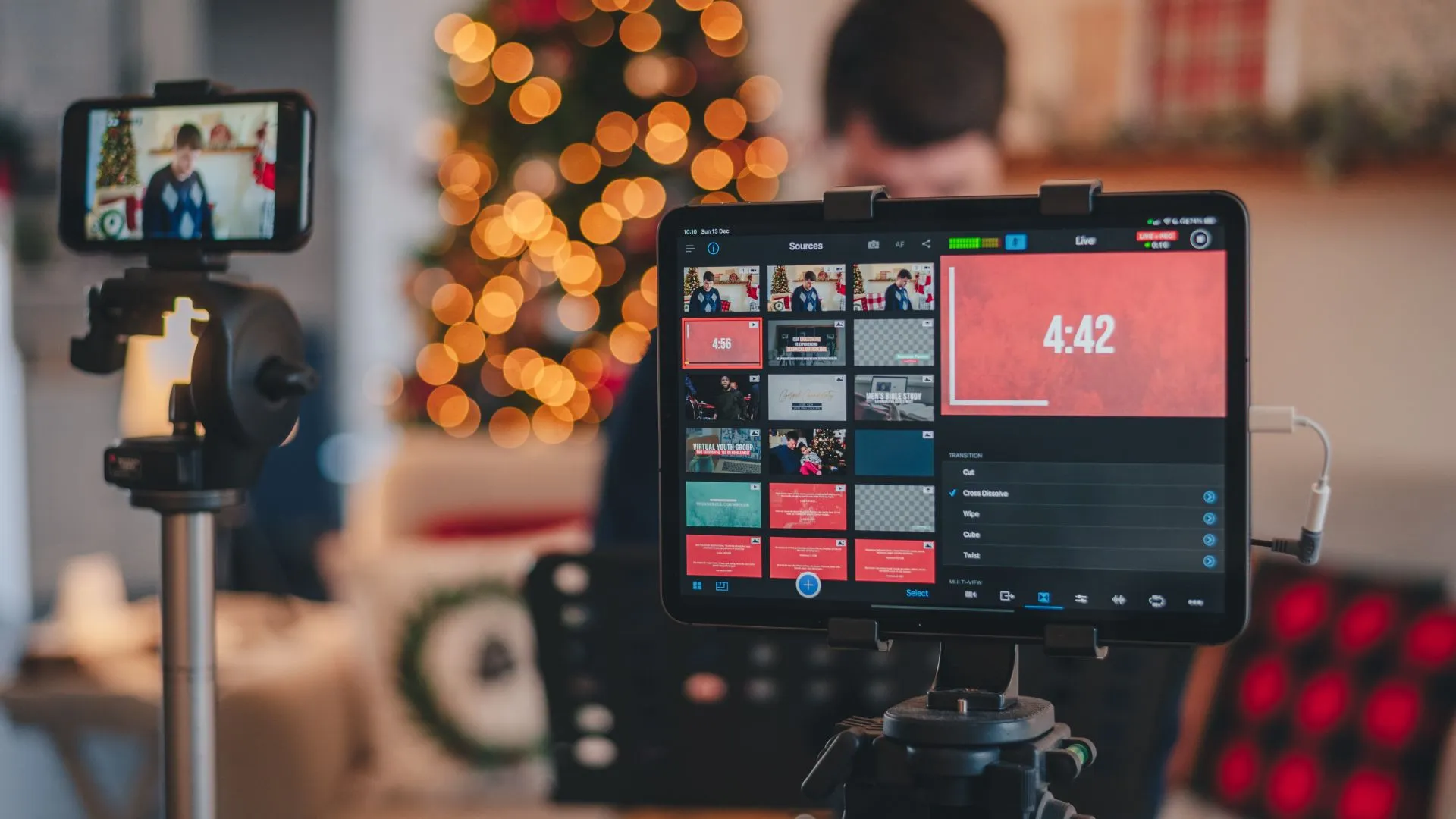
Virtual events have evolved well beyond the awkward video calls of the early lockdown era. Done thoughtfully, they offer real flexibility – connecting people across locations and time zones in formats that can be genuinely engaging. Here are 22 virtual event ideas worth exploring.
45. Online concerts
Online concerts let you experience live music from wherever you are. From intimate acoustic sets to full-scale productions, streaming performances allow fans to connect with artists and with each other – even from their own living rooms.
The intimacy of an online concert can actually exceed a large venue show. Artists who engage directly with their stream chat, take requests in real time, or share the story behind each song create a connection that a stadium concert simply can’t.
For smaller artists and community musicians, online concerts open up an audience beyond what any local venue could accommodate. The barrier to entry is low – a good camera, decent sound, and a streaming platform – and the potential reach is significantly larger.
46. Virtual cooking classes
A virtual cooking class with a professional chef is surprisingly effective. You cook along in real time, ask questions as you go, and get to eat what you’ve made at the end. Great for team events, date nights, or just learning something new.
The format works best when the recipe has been carefully designed for home kitchens: ingredients that are widely available, timing that allows people to keep up without feeling rushed, and clear visual demonstrations at each step.
Send out ingredient lists at least a week in advance, and provide a shopping list that covers common substitutions for hard-to-find items. The fewer barriers between sign-up and getting started in the kitchen, the better.
47. Online trivia nights
Online trivia nights are one of the easiest virtual formats to run well. Teams compete across a range of categories – pop culture, history, sport, general knowledge – via a video call and a shared platform. They’re social, competitive, and easy to customise for any group.
Mix question styles to keep the energy up: multiple choice, image rounds, audio clips, and lightning rounds where speed matters as much as knowledge. Variety sustains engagement in a way that a uniform format doesn’t.
For corporate trivia nights, include a category or two specific to the company or industry. It creates shared laughs, rewards institutional knowledge, and makes the event feel tailored rather than generic.
48. Virtual art exhibitions
Virtual art exhibitions let you explore galleries and collections from anywhere. Walk through exhibitions at your own pace, attend virtual artist talks, and participate in online auctions – without leaving home. A good option for organisations wanting to showcase artists to a distributed audience.
High-quality photography and rich descriptions are essential for a virtual exhibition. Without the ability to stand in front of the work, viewers rely entirely on what they can see and read on screen. Invest in professional documentation of each piece.
Virtual exhibitions also open up archive and behind-the-scenes content that a physical gallery rarely has room to display. Process photographs, sketches, alternative versions, and artist interviews can all add depth and dimension to the digital experience.
49. Virtual book clubs
Virtual book clubs connect readers who might not be in the same city, state, or country. Focused discussions, shared reading schedules, and a clear structure make them genuinely worthwhile – especially for groups with a strong interest in a particular genre or author.
The discussion leader matters more in a virtual format than in person. Without the natural ebb and flow of a room-based conversation, someone needs to actively invite contributions, redirect when discussion stalls, and make sure quieter voices get space to speak.
Consider using a shared annotation tool or a dedicated channel for ongoing discussion between sessions. The conversations that happen in the week after finishing a chapter are often as valuable as the formal meeting itself.
50. Online fitness classes
Online fitness classes – yoga, pilates, HIIT, dance cardio – give participants a professional trainer-led workout from home. For teams spread across locations, they’re a practical way to offer a shared wellbeing activity without needing a physical venue.
The format requires a decent camera setup so the instructor can clearly demonstrate movement and technique. Poor video quality makes it hard for participants to follow, which undermines the whole experience.
Live sessions create a sense of shared accountability that recorded content can’t replicate. When people have committed to a specific time and know others are showing up, they’re much more likely to actually do the workout.
51. Virtual happy hours
A virtual happy hour is an informal catch-up that mirrors the post-work ritual of a drinks round. Keep it casual, cap it at 60–90 minutes, and let conversation flow naturally. A theme or activity at the start – a quick round of trivia, a show-and-tell prompt, a shared playlist – gives people something to engage with before settling into open conversation.
The format works best for groups who already know each other. For teams or communities where people are less familiar, consider a more structured warm-up activity to get things going before the open social time.
Virtual fatigue is real. If you’re running these regularly, rotate the format and keep things genuinely optional. A happy hour that people feel obligated to attend is worse than no happy hour at all.

52. Online gaming tournaments
Online gaming tournaments bring competitive players together across platforms – from card games and trivia to multiplayer titles. They work well as team events and are easy to run asynchronously if time zones are a factor.
Choose a game that suits the audience. Casual, accessible titles work for mixed-skill groups; more competitive games suit dedicated gamers who want a real challenge. Getting the difficulty level wrong in either direction kills the energy.
Provide clear bracket information, round timings, and a simple way for participants to submit results. Ambiguity about rules or scheduling creates friction that takes the fun out of the competition.
53. Virtual museum tours
Virtual museum tours open up world-class collections to anyone with an internet connection. Many major museums and galleries now offer guided virtual tours with commentary – a great option for educational events or culturally themed gatherings.
A curated virtual tour with a knowledgeable guide is significantly more valuable than simply browsing a museum’s website. The guide context – why this piece matters, what was happening in the world when it was made, what the artist intended – transforms passive viewing into genuine learning.
Virtual museum tours work particularly well as pre-event content for conferences or workshops with a cultural or historical theme. A shared frame of reference going into the main event deepens subsequent discussions.
54. Online speed dating
Virtual speed dating connects people via structured short-form video conversations. It removes some of the pressure of a physical event while still creating genuine moments of connection. Works well for community groups, singles events, and social organisations.
The format relies heavily on a good platform and a smooth technical setup. If connections drop, transitions are awkward, or the timing doesn’t work, the whole experience suffers. Test everything thoroughly before the event.
Consider adding a light icebreaker question at the start of each rotation – something more interesting than the standard “what do you do for work?” – to help people get past the initial awkwardness and into a genuine conversation more quickly.
55. Virtual magic shows
A virtual magic show brings the wonder of live performance directly to people’s screens. Skilled performers adapt classic illusions for the video format, and audience participation – with volunteers checking for hidden cards or responding to prompts in real time – still works surprisingly well.
The best virtual magicians have developed material specifically for the online format rather than simply trying to replicate a stage show on camera. The constraints of video actually enable some tricks that wouldn’t work in a physical setting.
Virtual magic shows are excellent team event entertainment – they’re universally accessible, require no prior interest or knowledge, and create shared moments of genuine surprise and delight that sustain conversation afterwards.
56. Live Q&A sessions
A live Q&A with an expert, author, or public figure is one of the formats that genuinely works better online – participation is easier, geographic barriers disappear, and the format scales from 20 people to 2,000. Submitting questions in advance keeps things tight and on topic.
Curation is the key skill. Not all questions are equally good, and a moderator who can identify the most interesting and most representative questions – and weave them into a coherent conversation – makes a live Q&A feel genuinely valuable rather than random.
Promote the event well in advance and give your audience a clear way to submit questions before the session. The best Q&As start with several strong, pre-selected questions that establish the frame, then open up to live contributions as the conversation gains momentum.
57. Virtual cocktail making classes
A guided cocktail making class with a professional bartender gives participants something hands-on to do together, even remotely. Send ingredient lists in advance, pick a format – classic cocktails, seasonal drinks, zero-alcohol options – and let everyone mix along from home.
The combination of learning, doing, and then drinking what you’ve made creates a naturally satisfying arc. Participants leave with a new skill – and a drink – which makes the format feel more tangible and rewarding than most virtual event options.
Including a zero-alcohol track alongside the cocktail options makes the event accessible to everyone. Non-drinkers shouldn’t have to sit out or feel like an afterthought.
58. Online art auctions
Online art auctions let collectors and art enthusiasts bid on works from anywhere. Well-curated online auctions with clear photography and detailed provenance information can attract serious bidders and achieve strong results – without the overhead of a physical event.
Presentation quality is everything. Each work should have multiple high-resolution images, accurate dimensions, detailed descriptions, and clear information about the artist. A video of the work, or a short film of the artist discussing it, can significantly increase bidder engagement.
Time-limited auctions create urgency. A 48 or 72-hour window with real-time bidding and outbid notifications tends to generate more competitive bidding than an open-ended format where people can always come back later.
59. Virtual hackathons
Virtual hackathons bring together developers, designers, and problem-solvers to work intensively on a brief – usually over 24 to 48 hours. The distributed format opens up participation to people who couldn’t attend in person, often resulting in a more diverse pool of ideas and teams.
The brief and the judging criteria matter enormously. A clear, well-framed problem with specific evaluation criteria gives teams direction without constraining creativity. Vague briefs produce vague outputs.
Build in check-in points and mentoring access throughout the event. Teams that get stuck benefit enormously from a brief conversation with someone who can help them reframe the problem or unstick a technical challenge.
60. Livestreaming concerts
A livestreamed concert gives your audience a front-row seat to the action. Whether you’re streaming a local artist to a small community or a headline act to thousands, the format creates a shared real-time experience – with the convenience of watching from anywhere.
Technical quality defines the experience. Poor audio or shaky video undermines even an exceptional performance. Invest in a proper streaming setup: a dedicated camera operator, good microphones, stable internet, and a tested streaming platform.
Monetise through ticketed access, donations, merchandise, or a combination of all three. A free livestream with a tip jar can generate meaningful revenue for artists while keeping access as broad as possible.
61. Virtual escape rooms
Virtual escape rooms run via video call, with a facilitator guiding teams through a series of puzzles and clues. They’re a popular team-building format – genuinely challenging, time-pressured, and better with a group of people who communicate well (or need to).
The format reveals a lot about how a team thinks and communicates under pressure. Some teams that seem to work well together in meetings find virtual escape rooms surprisingly difficult; others excel. Either outcome generates useful conversation afterwards.
Quality varies widely between providers. Look for games designed specifically for the virtual format rather than direct adaptations of physical escape rooms, and read reviews carefully before booking for a team event.
62. Online cooking competitions
Online cooking competitions set participants the same brief – a key ingredient, a cooking time limit, a specific technique – then judge the results via live video. They’re high-energy, a little chaotic, and a lot of fun.
The judging brief should be clear and consistent so participants feel the outcome is fair. Criteria like creativity, technique, presentation, and how well the dish interprets the theme give judges a structured framework and give participants something concrete to aim for.
These work especially well as corporate team events where you want something genuinely active and a bit competitive. Cooking together – even remotely – creates the kind of shared experience that people talk about afterwards.
63. Virtual film festivals
Virtual film festivals give filmmakers a global audience without the logistics of a physical venue. Attendees can stream films, attend live Q&A sessions with directors, and vote for their favourites – all from home.
Curation and discovery are the biggest challenges. With no physical venue to anchor the experience, the programme needs to be communicated clearly so attendees can plan what they want to watch and when. A well-designed festival website or app is essential.
Consider building community around the festival: forums, social media hashtags, watch-along events, and post-screening discussions that keep the conversation active during and after the viewing period.
64. Online lectures
An online lecture with a compelling speaker can reach far more people than a physical event ever could. From science and history to arts and current affairs, the format works well for educational organisations, universities, and community groups.
Interactivity is the difference between an online lecture and a recorded video. Use live polls, Q&A, and chat features to keep the audience actively engaged rather than passively watching. Even small moments of participation make the experience more memorable.
Record the session for those who can’t attend live. Offering post-event access extends the reach of the content and the impact of the speaker’s ideas beyond the people who happened to be free on the day.
65. Virtual open mic nights
A virtual open mic gives performers – musicians, poets, comedians, storytellers – a live audience from wherever they happen to be. The format is welcoming and low-stakes, which is exactly what emerging performers often need.
A good host is critical. They set the tone, introduce each performer generously, keep things moving between acts, and create the feeling of a real event rather than a series of disconnected video calls. The audience energy follows the host’s energy.
Clear technical guidelines for performers – about audio setup, microphone placement, how to share their screen if needed – prevent the distracting technical issues that can undermine an otherwise great performance.
66. Digital dance parties
A digital dance party syncs up participants via video call and a shared music stream. With the right playlist – and the right crowd – people forget they’re dancing alone in their lounge rooms. Great for community groups and team celebrations.
Energy management matters. Start with accessible tracks that get people moving, build to the peak, and give the evening a clear arc rather than a relentless hour at the same intensity. A good DJ or playlist curator understands this instinctively.
Encourage video-on participation and create the conditions for people to actually show up dressed for the occasion. When everyone’s in costume, lights dimmed, drink in hand, the physical separation matters less than you’d think.
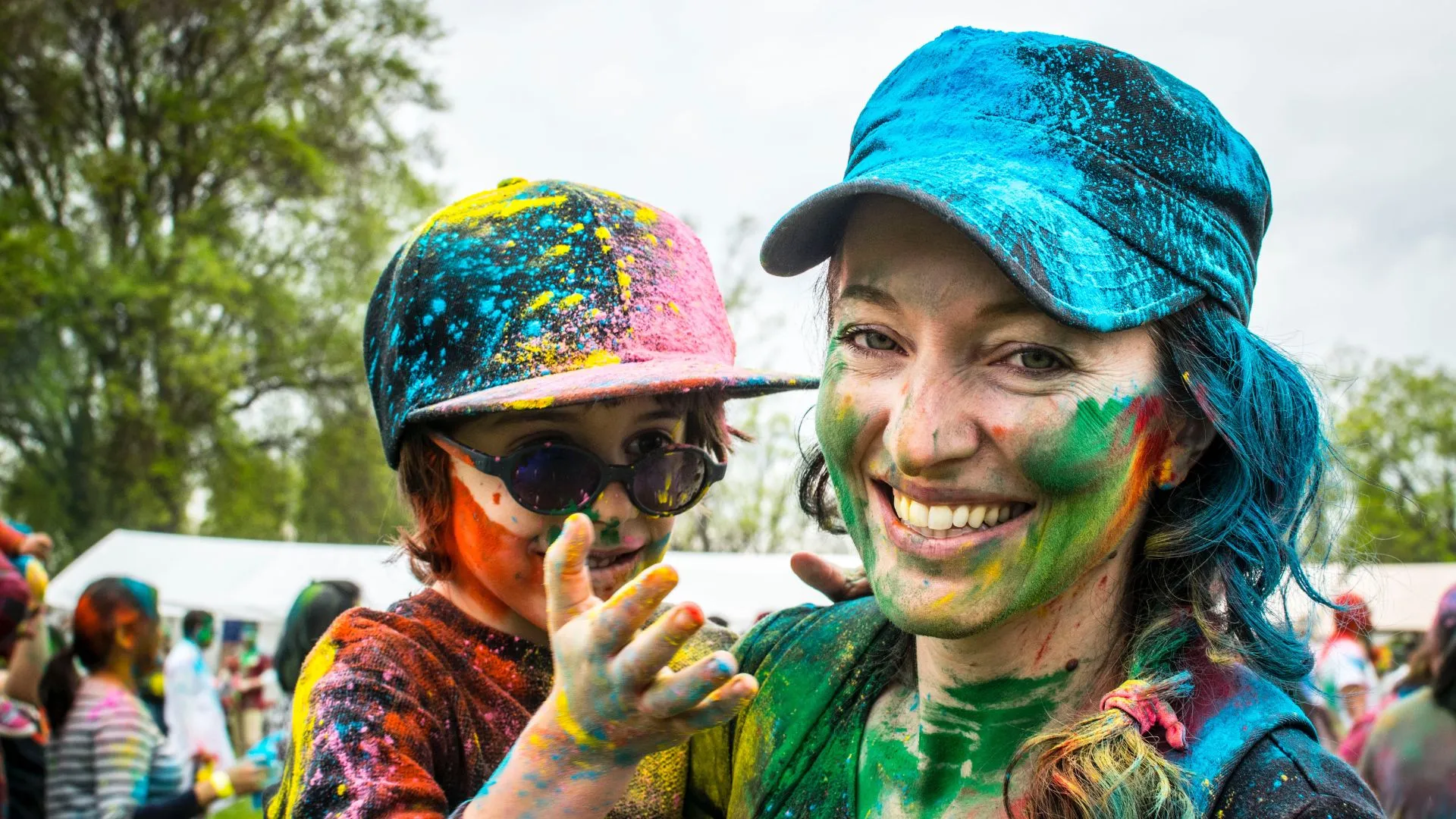
What are good event ideas for kids and families?
Whether you’re organising a school event, a community day, or a birthday party for your own child, kids and families deserve events that are genuinely fun – not just busy. Here are 22 ideas to work with.
67. Children’s birthday parties
A birthday party is one of the most personal events you can organise. The key is matching the format to the child – their interests, their social style, and the age group of their friends. Themes, games, activities, and food should all tell the same story.
Get creative with games like pin the tail on the donkey, scavenger hunts, or a backyard obstacle course. The most memorable birthday parties have a clear focal activity – something all the kids do together – plus enough free time for them to actually play.
Keep the guest list manageable for young children. A smaller party with genuine attention to each child is far better than a large, chaotic one. As kids get older, the dynamic shifts and larger groups become easier to manage.
68. Family fun days
A family fun day can be as simple as a picnic in the park with a few organised activities, or as involved as a day trip to an adventure park. The goal is shared time together – make sure there’s something enjoyable for every age group present, including the adults.
The best family fun days have a loose programme – a few anchor activities at set times – with plenty of unstructured time in between. Over-scheduling kills the relaxed enjoyment that makes these days valuable.
Pack plenty of snacks, good drinks, and sunscreen regardless of what you plan. Hungry, thirsty, or sunburnt children are a problem no activity can fix.
69. School carnivals
School carnivals bring together the entire school community for a day of games, food, and activities. Booths staffed by parent volunteers, prizes for the kids, and a fundraising element via ticket sales make them a classic format for very good reason.
Start planning at least six weeks out. Venue layout, stall allocation, volunteer rosters, supplier bookings, and marketing all need lead time. A carnival coordinator who can hold all these threads together is worth their weight in gold.
Engage the students directly in the planning. When kids feel ownership over the event – they helped design the layout, run a stall, or choose the theme – they’re more invested in the day and more enthusiastic participants.
70. Community events
A neighbourhood festival, a town fair, or a community day in the park creates connection between people who share the same streets but rarely slow down enough to meet. Potlucks, talent shows, and movie nights all work well as formats.
Community events also serve as a platform for raising awareness around a cause or need. A food drive, a toy collection, or a silent auction for a local family in difficulty can sit naturally alongside the celebratory elements.
The hardest part of a community event is often the first one: getting enough people to commit, enough volunteers to help, and enough confidence that it will actually work. Once the first event happens and people see what’s possible, subsequent years build on that foundation.
71. Parent-child sports tournaments
A parent-child sports day – basketball, soccer, cricket, even tug-of-war – is genuinely fun for both generations. Keep the competition light, the teams evenly matched, and make sure there are prizes. The bonding that happens is worth more than the scoreline.
Format the competition so every team has a realistic chance. Handicapping, mixed-ability drafts, or rotating partnerships ensure that skill level doesn’t determine the outcome – and that less sporty participants still feel valued and involved.
Add a social component after the sports: a shared BBQ, an informal presentation, some time for parents and kids to just talk about the day. The competition is the draw; the conversation is the value.
72. Science fairs
A science fair gives kids the chance to investigate something that interests them, present their findings, and have their curiosity taken seriously by adults. Projects can range from homemade volcanoes to simple robotics – the best ones are the ones kids chose themselves.
Good facilitation encourages kids to explain their thinking, not just their results. What did you expect to happen? What surprised you? What would you do differently next time? These questions develop scientific thinking in a way that just displaying a finished project doesn’t.
Invite parents, teachers, and community members to come and engage with the projects. The experience of explaining their work to a genuine, interested audience is valuable for kids and often inspires genuine pride.
73. Summer camps
Summer camps give children a structured break that’s genuinely their own. Whether the focus is outdoor adventure, the arts, sport, or coding, a well-run camp creates friendships, builds independence, and generates memories that kids talk about for years.
The staff are the camp. Their enthusiasm, skill, and genuine care for the children in their group determine whether kids come home glowing or disappointed. Invest in good people, train them well, and create conditions where they feel supported.
Day camps are an accessible alternative to residential camps for families who aren’t ready for overnight stays, or for activities that work better as a short intensive experience. Both formats have genuine value.
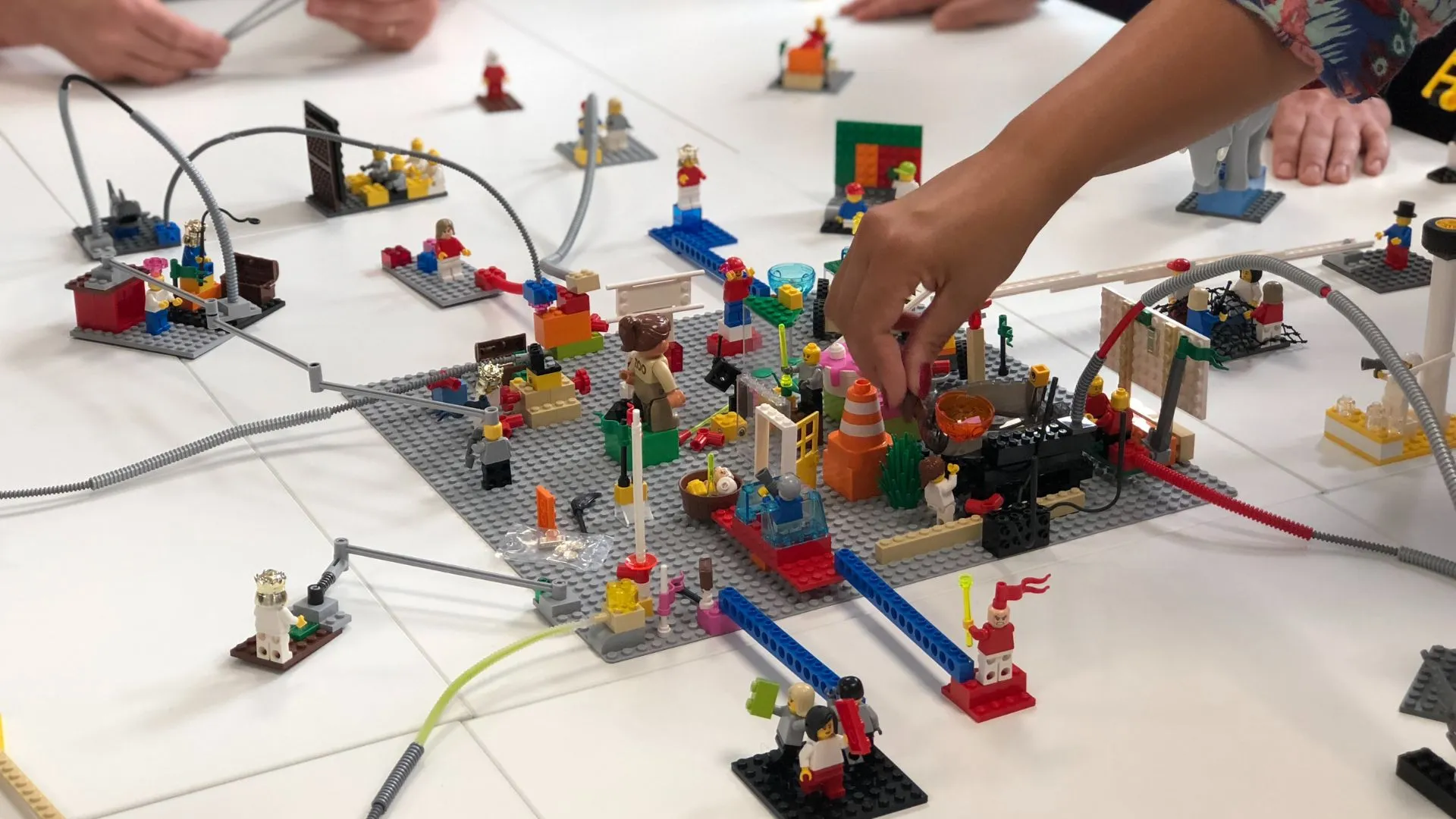
74. Lego building competitions
A Lego building competition is a perfect low-cost, high-engagement activity for kids. Set a theme – a vehicle, a famous building, a made-up creature – give everyone the same number of pieces, and let their imaginations do the rest.
The constraint of identical pieces is exactly what makes it interesting. Kids can’t buy their way to a better creation – the outcome is entirely about imagination and problem-solving. That equaliser creates a genuinely fair competition.
Run age categories or skill categories so everyone has a realistic chance of being recognised. And spend time on the judging: publicly celebrating the creativity and logic in each entry is as valuable as announcing the winner.
75. Teddy bear picnics
A teddy bear picnic is exactly what it sounds like, and it works exactly as well as you’d hope. Kids bring a favourite toy, everyone settles on a rug, and the afternoon fills itself with games, crafts, and the kind of easy joy that younger children are brilliantly good at.
The setting matters – a shaded corner of a park, a garden, or a community space with room to spread out. Bring simple activities: easy crafts, a story read aloud, a few simple games. The toys do most of the social facilitation naturally.
This format works especially well for playgroups, preschool settings, and community children’s events. It’s gentle, non-competitive, and inclusive in a way that more structured activities often aren’t.
76. Science workshops
A hands-on science workshop lets kids explore real concepts – chemistry, physics, biology – through experiments they can do themselves. The messier the activity, the more they tend to remember it.
The best science workshops for kids are run by people who are genuinely enthusiastic about the subject. That enthusiasm is contagious – children who see an adult excited about a volcanic reaction or a simple circuit are more likely to be excited themselves.
Tie the workshop to something visible in the world around them. Explaining how soap bubbles work, why the sky is blue, or how plants turn sunlight into food connects abstract concepts to things kids already notice and wonder about.
77. Music classes
Whether your child is drawn to percussion, guitar, piano, or just making noise confidently, an introductory music class can be the beginning of something lifelong. Look for classes that emphasise play and participation over formal instruction at the early ages.
Group music classes have a social dimension that private lessons don’t. Kids listen to each other, follow rhythms together, and experience the satisfaction of making music as a collective – which is often what keeps them interested long enough to actually develop a skill.
Introduce a range of instruments before committing to lessons in a specific one. What a child falls in love with at eight years old is rarely what they gravitate toward at twelve – exposure and exploration serve them better than early specialisation.
78. Puppet shows
A puppet show is a wonderfully low-tech way to deliver big entertainment. Kids connect strongly with characters and story, and the theatrics of a live performance – even a simple one – create genuine delight. A good puppet show can also carry subtle lessons and values in a way that feels natural and unhurried.
The story doesn’t need to be complicated. Conflict, character, and resolution – even in the simplest form – hold a young audience’s attention far more reliably than clever wordplay or sophisticated humour.
Puppet making as a workshop activity before the show is a natural pairing. Kids who’ve made their own puppet watch the performance with a completely different level of engagement – and often want to create their own show afterwards.
79. Trivia games
A family trivia game works because it levels the playing field in unexpected ways – kids often know pop culture and current trends that adults have completely lost track of. Mix easy and hard questions, keep rounds short, and make sure the winning team gets something worth celebrating.
Tailor the question mix to the group. A family with teenagers needs different content than one with primary school children. General knowledge, movies, sport, nature, and current events are reliable categories across most age groups.
Team play rather than individual competition tends to work better for mixed-age family groups. When a seven-year-old answers a question that stumps the adults, the moment is pure gold – and teams create more of those moments than individual competition does.
80. Balloon twisting workshops
Balloon twisting is a proper skill that takes practise, and kids love learning it. A workshop with a balloon artist lets children try it themselves, take their creations home, and talk about it for days. Works especially well as a party activity or entertainment at a school event.
A good balloon twisting workshop teaches a small number of achievable shapes – a dog, a basic sword, a simple hat – rather than trying to demonstrate an entire repertoire. Achievable outcomes keep kids engaged; unreachable ones create frustration.
The take-home element matters. A child who leaves with a balloon animal they made themselves has something tangible that connects to the memory of the workshop. That physical reminder sustains the positive association with the event far longer than the afternoon itself.

81. Face painting
An expert face painter transforms an ordinary party into something genuinely memorable. Butterflies, tigers, superheroes, fantasy creatures – kids love the process as much as the result, and the queue for the face painting table is always one of the best spots at a family event.
Choose a face painter whose portfolio reflects the audience. Children at a superhero party want superhero designs; face painters who work primarily with adult events may not have the right style or speed for a busy kids’ party queue.
Brief them on the timing and the expected throughput. A good professional face painter can complete a design in five minutes; an amateur may take twice as long, creating a queue that grows faster than it shrinks and leaves children waiting too long.
82. Scavenger hunts
Scavenger hunts work in almost any setting – a park, a neighbourhood, a school grounds, or a backyard. Kids love solving clues and finding hidden objects, and working in teams adds a collaboration element that doesn’t feel like a lesson.
Scale the difficulty to the age group. Younger children need picture-based clues and short distances; older kids can handle cryptic riddles and a wider search area. Getting this balance right is the difference between a hunt that’s satisfying and one that’s frustrating or too easy.
A well-designed scavenger hunt has a clear narrative. The clues tell a story, the locations make sense in sequence, and the final find feels like a genuine reward. Kids remember hunts where the journey made sense as much as the destination.
83. Dress-up parties
Dress-up parties give kids explicit permission to be whoever they want to be for an afternoon. Whether it’s a princess theme, a superhero bash, or a more open-ended costume free-for-all, kids throw themselves in with an enthusiasm that’s genuinely infectious.
Keep a box of extra props, accessories, and costume pieces for children who didn’t have something to wear. Nobody should feel excluded from a dress-up event for practical reasons, and the prop box often generates some of the most creative combinations of the day.
Photograph the costumes. A slideshow or printed photos sent to parents afterwards extends the joy of the event and creates a record of the day that families genuinely appreciate.
84. Nature walks
A guided nature walk introduces kids to their local environment in a way that sticks. A knowledgeable guide who can identify plants, point out insects, and explain how ecosystems work turns a walk in the park into something genuinely educational.
Give each child a simple task: collect interesting leaves, spot three different types of bird, find something that’s been recycled by nature. Active participation keeps attention focused and creates a sense of ownership over what they discover.
The pace should suit the youngest child in the group. A nature walk that moves too fast becomes a march; one that allows kids to stop, look, and ask questions creates the moments of genuine curiosity and discovery that make it worthwhile.
85. Storytime sessions
Storytime sessions are best when the reader brings the story to life – voice, expression, pauses in the right places. Choose age-appropriate books, keep sessions short for younger children, and leave space for questions and reactions. Libraries, bookstores, and community centres all make excellent venues.
The books you choose set the tone. A mix of established favourites and less well-known titles gives children a reference point while also introducing them to something new. Local authors and illustrators are often willing to participate in community storytime events.
A follow-up activity tied to the book – drawing a favourite character, acting out a scene, creating an alternative ending – extends the engagement beyond the reading itself and gives children a way to process and express what they’ve heard.
86. Cooking classes
A kids’ cooking class teaches food skills while building confidence and creativity. Recipes should be achievable, the process should be hands-on, and the end result should be something they can actually eat. Works well as a party activity or an after-school programme.
Choose recipes with a reasonable number of steps and genuine scope for variation. A pizza base with a selection of toppings lets every child make something individual; a strict recipe where everyone makes the same thing offers less engagement and less ownership.
Food hygiene habits – handwashing, safe handling, tidying as you go – taught in a practical, non-preachy way during a cooking class stick far better than the same lessons delivered theoretically. Kids who cook regularly develop these habits naturally.
87. DIY craft sessions
A craft session with a clear project – a painted plant pot, a collage, a sewn fabric square – gives kids something satisfying to create and take home. Keep materials simple, set up stations so everyone has space to work, and don’t worry too much about the mess.
Choose projects with a clear progression: a beginning, a middle, and a visible end result. Crafts that feel unfinished or where the outcome is unclear can frustrate younger children. The satisfaction of completing something is a big part of what makes craft sessions rewarding.
Have additional challenge elements available for children who finish early. A simple extra step, a variation on the main project, or a completely different activity keeps the room from stalling while others are still working.
88. Indoor bounce house parties
A bounce house solves the energy problem that every kids’ party faces. Hire one for a local gym or community hall, and kids will arrive and immediately know exactly what to do. Perfect for rainy days or the colder months when outdoor options are limited.
Check age and weight guidelines carefully and enforce them consistently. Bounce houses are genuinely safe when used correctly and genuinely risky when age mixing or overcrowding is allowed. A dedicated supervisor watching the bouncer throughout is not optional.
Pair the bounce house with quieter activity stations – craft tables, a snack area, a colouring corner – so kids who need a break or a calmer moment have somewhere to go without missing the party entirely.
What are some unique and creative event ideas?
If the standard event formats feel too predictable, these ideas offer something genuinely different. From immersive experiences to live competitions, here are 17 unique events worth considering.
89. Escape room challenges
Escape rooms put teams in a time-pressured scenario where they have to solve puzzles, find clues, and work together to get out. The format is endlessly adaptable – themes range from historical mysteries to sci-fi thrillers – and the sense of collective achievement when you solve it is hard to beat.
The best escape rooms are designed so that no one person can hold all the solutions. Different people notice different things, and the format rewards teams who communicate and share information rather than individuals who try to solve everything themselves.
If you’re running an escape room as part of a larger event, build in a debrief afterwards. What strategies worked? Where did the team get stuck? How did communication hold up under pressure? The reflection is often as valuable as the experience itself.
90. Silent disco parties
In a silent disco, each guest wears wireless headphones and chooses between different music channels – so the person next to you might be dancing to something completely different. The effect is oddly exhilarating, and the sight of a room full of people dancing in total silence is something people genuinely remember.
The format solves the volume problem of traditional dance events, which is why silent discos work so well in venues where noise is a constraint – public parks, beaches, rooftops, shared spaces. The experience feels both communal and surprisingly personal.
Consider offering three distinct channels with different genres: something current, something classic, something unexpected. The conversations that happen when two people discover they’re dancing to the same track – or arguing about which channel is better – are one of the best social features of the format.
91. Outdoor cinema screenings
An outdoor cinema – a film under the stars, on a big screen, in a park or by a beach – offers something a regular cinema can’t. The atmosphere is relaxed, the setting changes everything, and people tend to linger and enjoy the evening rather than rushing off afterwards.
Film selection matters enormously. Crowd favourites and beloved classics tend to outperform arthouse programming at outdoor screenings, because people want to share the experience of a film they love rather than concentrate hard on something unfamiliar.
The pre-film experience can be as important as the film itself. Food trucks, picnic rug rentals, a pre-screening playlist, and a comfortable layout that allows for groups and couples to sit together all contribute to an evening people remember.
92. Murder mystery events
A murder mystery evening casts guests as characters in an unfolding story. Over the course of the night, clues emerge, suspects are revealed, and teams work to identify the culprit before time runs out. The format works brilliantly for corporate events, fundraisers, and private parties alike.
Character involvement is what separates a great murder mystery from a merely passable one. When guests are genuinely committed to their roles – in costume, in character, playing the drama of the scenario – the evening develops an energy that no amount of production value can manufacture.
You don’t need a professional company to run a successful murder mystery. Scripted kits are widely available, and a willing host who invests time in preparation can deliver an excellent experience for a fraction of the cost.
93. Circus-themed events
A circus-themed event brings in professional performers – jugglers, acrobats, contortionists, fire artists – to create an experience that’s visually spectacular and genuinely surprising. Add themed food and décor and you’ve got something that feels a world away from a standard event.
Consider interactive elements alongside the performances. A juggling workshop, a plate-spinning lesson, or a tightrope walking station (low to the ground with safety matting) gives guests something to do as well as watch – and often produces the most memorable moments of the event.
Circus performers are skilled professionals who bring their own equipment and setup requirements. Brief them on the venue, the audience, and the timing in advance, and give them adequate setup time to do their work safely.
94. Medieval feasts
A medieval feast transports guests to another era: long tables, hearty food, costumes, and live entertainment in the form of minstrels, jesters, or jousting demonstrations. It’s theatrical and fully committed, which is exactly why it works.
Encourage or require costume. The experience is significantly better when the whole room is in character rather than a minority dressed up and everyone else watching. Include costume guidance in the invitation so people know what to expect and have time to prepare.
Eating with your hands and drinking from goblets sounds like a gimmick but actually creates a genuinely different social dynamic at the table. The shared physicality of the experience breaks down formality and generates conversation in a way that cutlery and stemware rarely does.
95. Vintage-themed parties
Vintage and retro themes give people a specific aesthetic to work with – 1920s glamour, 1950s diners, 1970s disco. Committed décor, era-appropriate music, and themed cocktails and food create an immersive experience that’s both nostalgic and genuinely fun.
The narrower the era, the stronger the aesthetic. A “vintage” party can feel diffuse; a “1950s sock hop” gives everyone a clear reference point and produces a much more coherent result. Be specific.
Consider including some educational or discovery elements: photographs, cultural references, or a brief Q&A about what life was really like in the decade. It adds depth and gives people something to take away beyond the aesthetic experience.
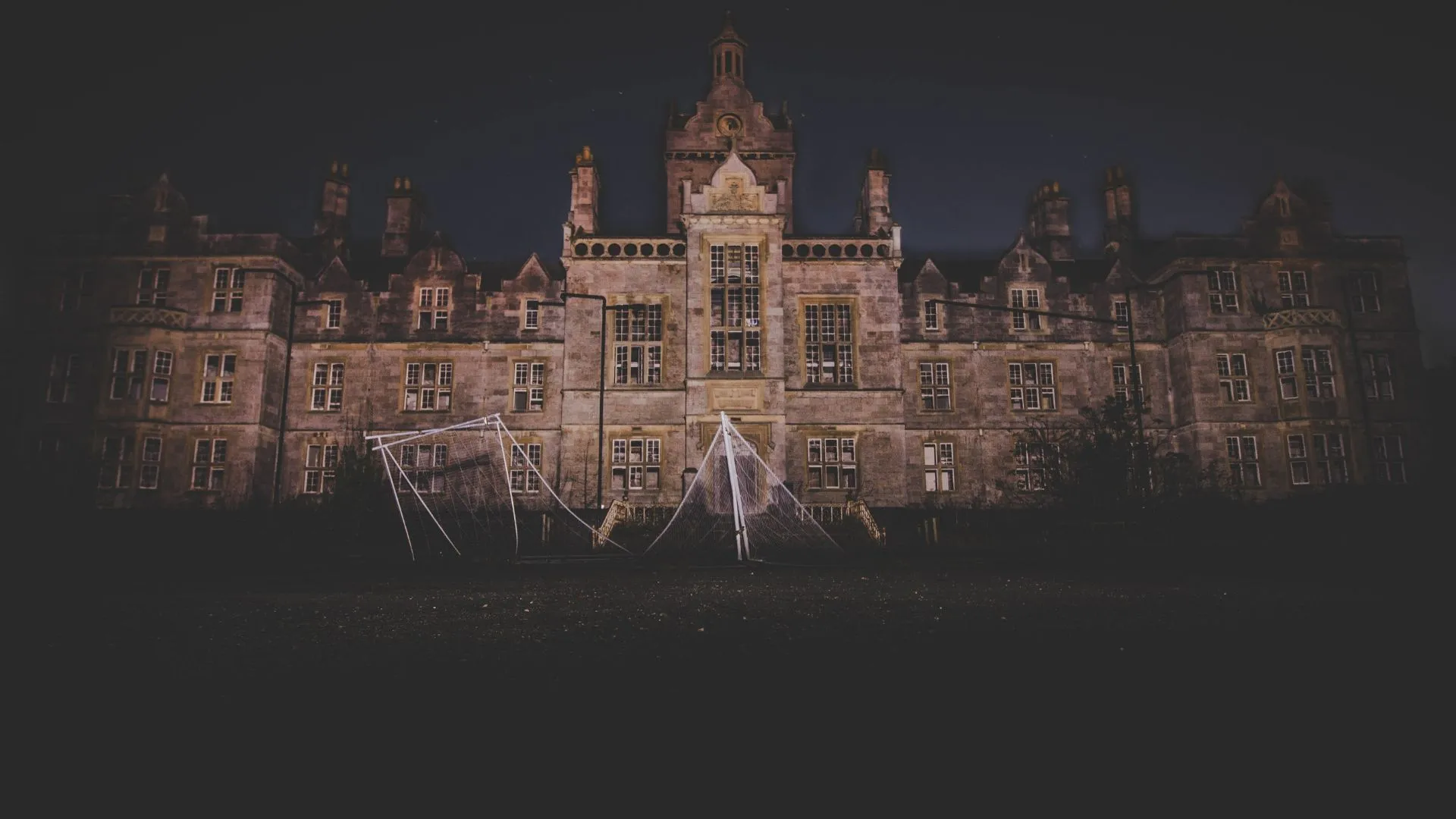
96. Haunted houses
A haunted house event is high-commitment entertainment – elaborate mazes, costumed characters, unsettling sound design, and carefully built suspense. Best suited to Halloween season, they work well as fundraisers and community events where people can bring friends and test their courage together.
Scare design should be consistent throughout. A haunted house with a few strong moments and large stretches of nothing loses its effect quickly. Map out the experience in full before you build it, and test it with willing volunteers who can give honest feedback.
Clear age guidance is important, and a low-scare option – a companion path, a less intense route through the same space – makes the event accessible to children and more cautious visitors without undermining the experience for those who want the full effect.
97. Fashion shows
A fashion show – whether a high-end designer event or a local boutique showcase – offers a unique format that’s part entertainment, part education. The runway element creates a natural focal point, and the right venue and styling can make even a small show feel genuinely glamorous.
The production elements matter: lighting, music, runway construction, and model direction all contribute to whether the show reads as professional or amateurish. Even a modest budget spent wisely on lighting can transform how the clothes and the space look.
Local fashion shows are excellent platforms for emerging designers who don’t have the distribution or the profile to reach a wider audience through traditional retail. The event format creates genuine media interest and gives designers direct access to potential buyers and supporters.
98. Art battles
Art battles are exactly what they sound like: two artists, a time limit, and an audience voting on the winner. The format is high-energy, interactive, and gives emerging artists a platform in a context that’s exciting rather than intimidating.
The watching is as compelling as the outcome. Seeing an artwork develop in real time – decisions being made, directions being taken and reversed, the painting emerging from nothing under pressure – creates a level of engagement that a finished gallery work rarely generates in viewers who weren’t present for its creation.
Art battles work well as standalone events and as entertainment at private functions, festivals, and fundraisers. The audience vote creates genuine investment in the outcome, and the finished works can often be auctioned as part of the fundraising element.
99. Beer gardens
A well-run beer garden – outdoor setting, local breweries, food vendors, and live music – is one of the most naturally social formats there is. People arrive with a plan to stay for one drink and end up staying all afternoon. Great for community events and fundraisers.
Curation of the brewery and producer lineup matters. A beer garden featuring genuinely interesting, locally made beer gives people something to discover and discuss. A selection of mass-market brands doesn’t create the same atmosphere or the same level of conversation.
Food quality is often underestimated at beer garden events. A food offering that matches the quality of the drinks – good pub food, elevated street food, or a rotating selection of food trucks – transforms the experience significantly.
100. Rooftop parties
A rooftop venue changes the atmosphere of an event immediately. Skyline views, open air, and the slight frisson of being elevated create something that’s hard to replicate at ground level. Works for corporate celebrations, milestone birthdays, and product launches alike.
Weather contingency planning is non-negotiable. A rooftop with no weather backup – retractable cover, pergola, or an indoor option – is a gamble that will eventually catch you out. Always have a plan for rain.
The view is the asset, so make the event design work with it. Seating arranged to face the skyline, lighting that doesn’t compete with the natural view at dusk, and a format that gives people the chance to simply stand and appreciate where they are all contribute to an evening that feels genuinely special.
101. Drag shows
A drag show is an inclusive, high-energy celebration featuring performance, comedy, and costume. Drag performers bring genuine talent and theatrical commitment to every show, and the audience energy is reliably excellent. A great option for organisations looking to celebrate diversity in a genuinely enjoyable way.
Briefing performers on your audience makes a significant difference. A drag show for a corporate team event looks different from a community fundraiser or a private birthday celebration – and a skilled performer will adapt their material accordingly if you give them the context they need.
Tip culture is an important part of the drag performance tradition. Brief your audience on this before the show so they feel comfortable participating, and ensure performers have a clear way to receive tips during the event.
102. Dog shows
Dog shows give owners the chance to showcase their dogs’ talents and temperament in front of an appreciative audience. Categories like agility, best-dressed, and most improved are always crowd favourites. Community dog shows are also excellent fundraisers – entry fees and spectator attendance add up quickly.
Safety logistics deserve careful attention. Sufficient space between dogs, clear rules about on-lead behaviour outside the competition area, and designated quiet areas for anxious dogs all contribute to an event that’s enjoyable for both dogs and owners.
Include novice-friendly categories alongside more competitive ones. A “first show” class, a most improved award, or a purely fun category like “dog most likely to steal your lunch” keeps the event welcoming for owners who are new to showing.
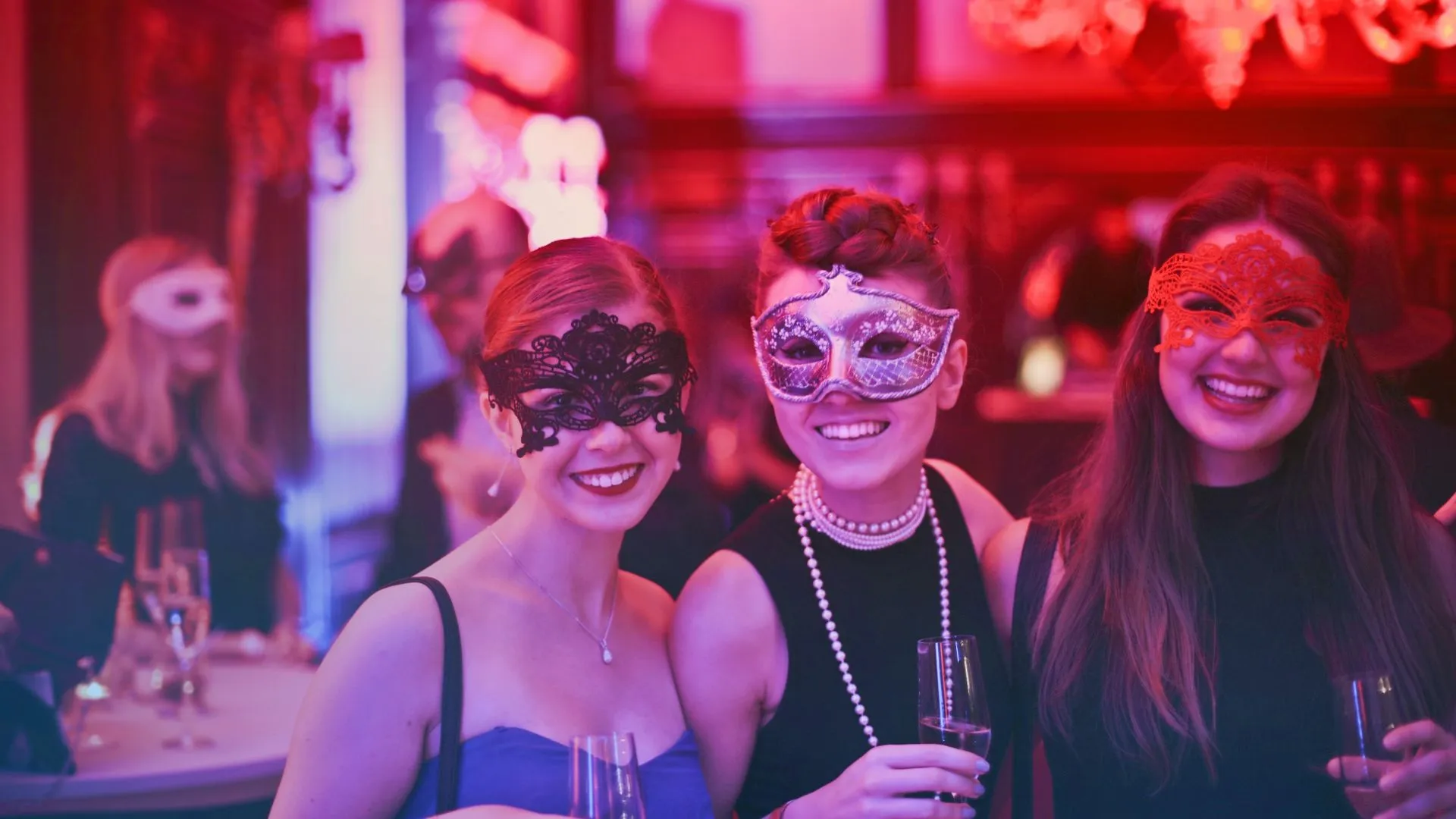
103. Masquerade balls
A masquerade ball is one of those events that earns its own mythology. Elaborate costumes and masks, live music, a luxurious setting, and the slight anonymity of being masked creates an atmosphere that’s romantic and genuinely distinctive. Popular for formal celebrations, school formals, and charity balls.
The mask is not optional décor – it’s central to the experience. Provide high-quality masks at the door for guests who haven’t brought their own, and make it clear in the invitation that wearing one is expected. When most people are masked, the effect works; when only a few are, it falls flat.
Live music – a string quartet, a jazz band, a swing ensemble – suits a masquerade ball far better than a DJ. The formality and theatricality of the event calls for a musical presence that feels considered and elegant.
104. Snow sports competitions
Snow sports competitions – skiing, snowboarding, sledding, terrain park events – draw both competitive participants and enthusiastic spectators. The event format is naturally dramatic, with clear moments of skill and risk that make for compelling viewing even for people who don’t ski themselves.
Community snow sports events can be structured as straight competitions or as more social formats: relay races, novelty events, costume competitions, or family divisions that include children and beginners alongside experienced participants.
Safety planning is paramount. On-hill first aid, clearly marked courses, equipment checks, and briefings for less experienced participants are non-negotiable. A well-managed snow event is excellent fun; a poorly managed one creates real risk.
105. Beach parties
A beach party combines the natural advantages of the setting – space, atmosphere, a ready-made backdrop – with the flexibility to add whatever activities suit your group. Volleyball, swimming, a sandcastle competition, live music, food vendors. Sun, salt air, and the right crowd take care of the rest.
Start logistics planning early: parking, waste management, alcohol licensing if required, equipment hire, and any permits needed for events on public beaches. The practical groundwork makes the difference between a relaxed day and a stressful one.
Build in shade options – marquees, umbrellas, a shaded gathering area – so the event is accessible to people who can’t handle extended sun exposure. A beach party that only works for sun-tolerant people in peak summer is an unnecessarily narrow brief.
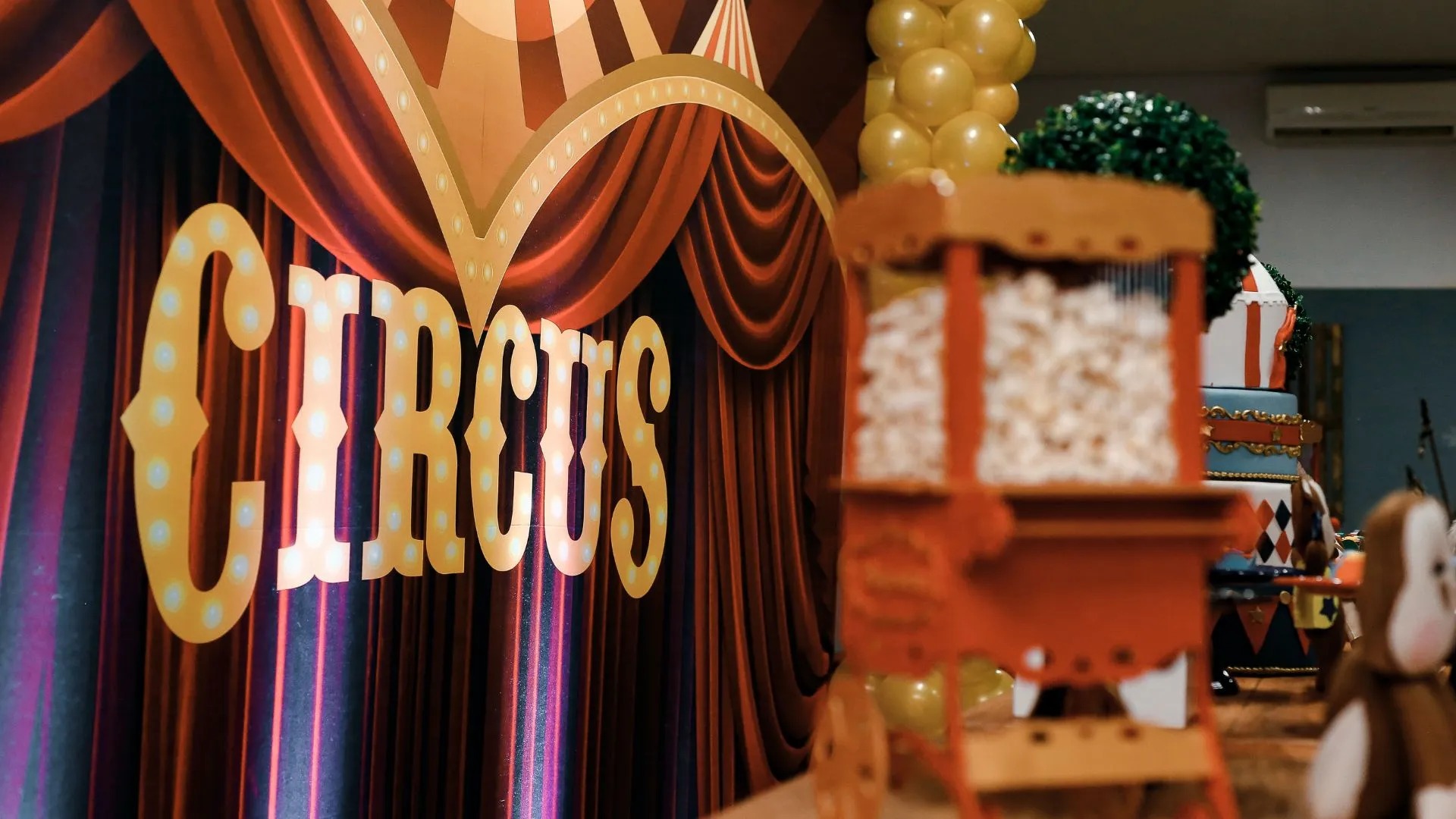
What are popular themed event ideas?
A strong theme transforms an ordinary event into an immersive experience. The key is choosing a theme with enough detail to inspire – costumes, food, activities, music, décor – and committing to it fully. Here are 20 themed event ideas with enough detail to get started.
106. Alice in Wonderland tea party
Transport guests into the whimsical world of Alice in Wonderland with oversized teacups, playing card décor, hanging lanterns, and a cast of recognisable characters. Encourage costumes – the Mad Hatter, the Queen of Hearts, the Cheshire Cat. Serve themed food like “Eat Me” cakes, “Drink Me” potions, and tiny finger sandwiches. A croquet game and costume contest complete the experience.
The visual consistency of this theme is what makes it work. Every element – the tableware, the food labels, the activity choices, the costume encouragement – should feel like it belongs in Wonderland. Half-committed theming produces a result that feels random rather than enchanting.
107. Casino night
Bring the atmosphere of Las Vegas to your venue with poker tables, blackjack, and slot machines staffed by professional dealers. Dim lighting, jazz music, and signature cocktails set the mood. Guests can dress in formal wear or go for a more relaxed look – the chips and competition do the rest.
Use play money or chips rather than real currency so everyone can participate equally regardless of budget. A leaderboard or prize for the guest with the most chips at the end of the night creates competitive energy without financial pressure.
108. Harry Potter themed event
Decorate with Hogwarts house banners, floating candles, broomsticks, and a sorting hat station. Run themed activities – potion-making, wand crafting, a quiz on wizarding lore – and serve Butterbeer, pumpkin pasties, and cauldron cakes. The theme has broad appeal across age groups and comes with a built-in mythology to draw from.
Assign house colours as the dress code and organise events around inter-house competition. The sorting creates immediate group identity and friendly rivalry that sustains energy throughout the evening.
109. Masquerade ball
An air of mystery and formality defines a masquerade ball. Guests arrive in formal wear and are given a mask on entry. Chandeliers, draped fabrics, and candlelight set the scene. A live band or DJ provides music for dancing, while fortune-telling or tarot readings add an element of intrigue.
Keep the palette consistent: black, gold, deep red, and deep blue create a rich, luxurious atmosphere. Clashing colours undermine the aesthetic and make the space feel less considered.
110. Superhero party
A superhero theme works for all ages. Encourage guests to dress as their favourite hero or create their own character. Run obstacle courses, superhero training challenges, and rescue missions. A photo booth with capes and props is always a hit. Themed food and drinks – Spiderman cupcakes, Captain America cookies – complete the look.
Create original character options for guests who don’t want to simply replicate an existing hero. A “design your own superhero” element – with a name, a power, and a costume choice from a prop box – is often more engaging than a standard dress-up.
111. Western/cowboy hoedown
Hay bales, cowboy boots, bandanas, and barn lighting create the right atmosphere for a western hoedown. A live country band or playlist sets the tone for line dancing. Serve chilli, cornbread, and cold drinks. Encourage guests to dress in denim and boots, and add a lasso or mechanical bull if you want to go all in.
Line dancing instruction at the start of the evening – even just one dance everyone can learn together – breaks the ice and gets people physically involved early. Once a few people are on the dance floor, the rest usually follow.
112. Hollywood glamour event
Roll out the red carpet, set up a paparazzi step-and-repeat, and channel old Hollywood glamour. Star-studded walls, Oscar statues, and black-tie attire create the right atmosphere. Serve champagne and signature cocktails named after classic Hollywood icons. A photo booth doubles as entertainment and a lasting memento.
The arrival experience matters as much as the event itself. A red carpet entrance with a photographer, a brief moment in the spotlight, and someone “announcing” guests as they arrive sets the tone immediately and makes everyone feel celebrated before the evening has even started.

113. Tropical luau
Leis, tiki torches, grass skirts, colourful flowers, and bamboo décor transform any venue into a tropical setting. Serve mai tais, piña coladas, poke bowls, and Hawaiian-style dishes. Organise a limbo competition and hula dancing lessons to get everyone involved. Ask guests to come in Hawaiian shirts and flower crowns.
Fresh flowers and greenery do more for a tropical atmosphere than any purchased decoration. If the budget allows, investing in real blooms rather than artificial ones transforms the sensory experience of the space.
114. Disco inferno party
Bell-bottoms, afros, platform shoes, and a mirror ball – a disco party is fully committed to its era and all the better for it. Set up a proper dance floor with great sound and keep the playlist authentic: Donna Summer, Chic, Earth Wind and Fire. Fondue, shrimp cocktail, and good punch round out the catering.
The dance floor is the centrepiece – everything else serves it. Get the sound system right, get the lighting right, and clear enough space that people can actually dance without bumping into each other. A small, crowded floor kills the energy of a disco night.
115. Underwater/mermaid party
Transform your venue with blue and green décor, seashells, and seaweed-style hanging elements. Encourage guests to dress as mermaids or sea creatures. Run a scavenger hunt for hidden treasures, set up an underwater photo booth, and offer face painting with marine designs. Food and drinks should lean into the ocean theme – think seafood, blue cocktails, and sand-dusted desserts.
The lighting is transformative for this theme. Blue and green gels on uplights, colour-washed ceilings, and string lights create a convincing underwater atmosphere in almost any venue. Invest in the lighting before anything else.
116. Enchanted forest event
Fairy lights threaded through branches, mossy decorations, hanging lanterns, and greenery everywhere create the enchanted forest atmosphere. Themed cocktails like “fairy dust” and “dragon’s breath” fit the mood. A tarot reader or fortune teller adds an element of mystery. Costumes should lean into woodland creatures, fairies, and fantasy.
Natural materials do the heavy lifting for this theme. Foraged branches, real moss, dried flowers, and earthy textures create a more convincing atmosphere than artificial alternatives. Source locally where possible and return natural materials to the bush afterwards.
117. Vintage/retro party
Pick your era – the roaring 20s, the fabulous 50s, the funky 70s – and commit to it with vintage posters, era-appropriate props, and a curated playlist. Classic cocktails and snacks from the decade complete the experience. Hiring a swing dance or lindy hop instructor adds a genuinely interactive element.
Op shops and vintage markets are your best resource for authentic decorations and props. Real vintage items have a quality and character that reproductions don’t, and sourcing them often turns up unexpected details that make the theming feel more genuine.
118. Arabian Nights event
Colourful fabrics, Persian-style rugs, lanterns, and rich textures create a Middle Eastern atmosphere. Serve Turkish coffee, mint tea, and traditional dishes like mezze, kebabs, and baklava. Belly dancing performances, a henna artist, or a storyteller bring the theme to life. Encourage guests to dress in kaftans, turbans, or loose draped costumes.
Source authentic food and entertainment providers from within the relevant cultural community where possible. The food, the music, and the performance will be more genuine – and the event will be more respectful and more interesting as a result.
119. Sports themed event
Sports memorabilia, pennants, team colours, and a big screen showing live games set the scene. Create a mini tournament bracket among guests, serve game-day food like wings and sliders, and encourage everyone to come in their team’s colours. A giant Jenga set or inflatable obstacle course adds to the energy.
Timing around a major sporting calendar event – a finals series, a State of Origin night, a Grand Prix weekend – gives the themed event an external hook that makes promotion easier and attendance more compelling.
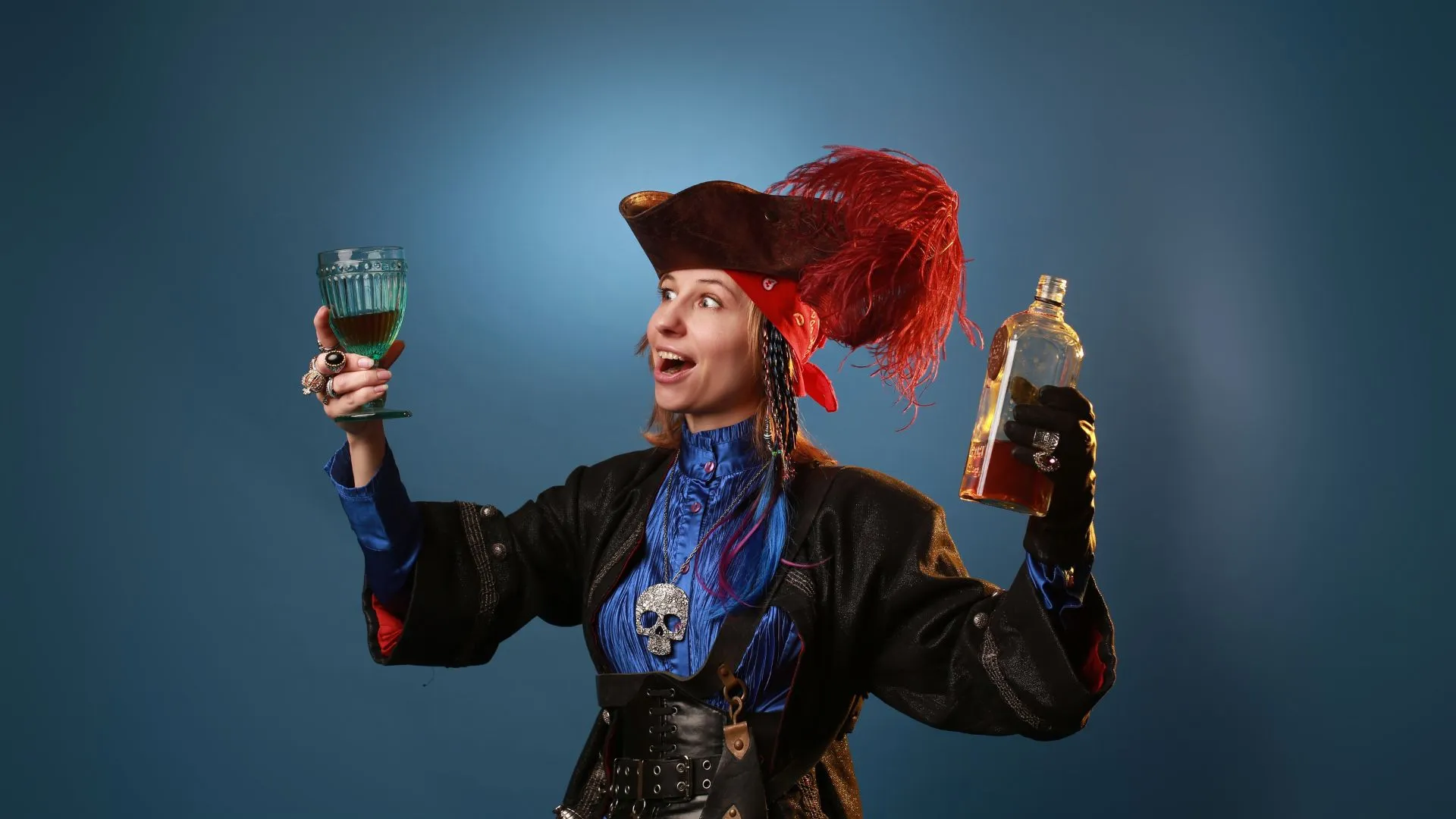
120. Pirates of the Caribbean party
Pirate flags, rope nets, treasure chests, and a skull-and-crossbones dress code signal the theme immediately. Provide props – eye patches, hats, and plastic swords – and run a treasure hunt across the venue. Seafood and rum-based drinks complete the experience.
The treasure hunt is the event’s centrepiece. Design it with genuine clues, a satisfying narrative arc, and a real reward at the end. A poorly designed hunt that ends with a disappointing payoff undermines the build-up. A well-designed one creates memories.
121. Winter wonderland event
Twinkling lights, artificial snow, icicle decorations, and cosy lighting create a winter atmosphere regardless of the actual weather outside. Set up an ice skating area if you have the budget and space, organise a hot cocoa station, and have a special guest appearance from Santa. Warm comfort food is essential.
The key to a convincing winter wonderland is warmth within the cool aesthetic. Cosy seating, blankets, warm drinks stations, and hearty food create comfort that makes the cold-weather theme feel inviting rather than uncomfortable.
122. Medieval banquet
Guests arrive in medieval costume to find long tables, heraldic banners, tapestries, and candelabras. Serve hearty, rustic food – roasted meats, bread, stews – and encourage guests to eat with their hands and drink from goblets. A jousting demonstration or sword-fighting display adds drama and spectacle.
Feast-style catering – large shared platters placed on the table rather than individual plated courses – suits the medieval format perfectly and creates a natural social dynamic around the table. Sharing food breaks down formality in a way that individually plated meals don’t.
123. Beach party
A beach theme works whether you’re actually on a beach or recreating one at a venue. Swimsuits, beach towels, colourful umbrellas, and sand-coloured décor set the scene. Volleyball, a sandcastle competition, and water games provide the activities. Cold drinks, seafood, and a relaxed playlist do the rest.
For an indoor beach party, consider hiring a sandpit or sand play area as a centrepiece. Real sand creates a tactile, sensory element that photographs well and gives people something tangible to engage with.
124. 1920s speakeasy party
Dim lighting, vintage signage, jazz music, and art deco décor create the atmosphere of a prohibition-era speakeasy. Encourage guests to dress in flapper dresses and sharp suits. Serve classic cocktails – martinis, old fashioneds, sidecars – and pair them with devilled eggs and elegant canapés. A dance contest or casino tables make excellent entertainment.
The speakeasy atmosphere depends on arrival. Consider a “password at the door” element, a hidden entrance, or a brief theatrical moment of being “checked” before entry. Even a small gesture of exclusion and mystery at the start sets the tone for everything that follows.
125. Black and white ball
Elegant, timeless, and easy to execute: a black and white ball requires a strict dress code and a commitment to the aesthetic throughout every element. Classic décor, a live band or DJ, fine canapés, and a photographer to capture the evening. The formal constraint is exactly what makes it memorable.
Enforce the dress code genuinely. A black and white ball where guests arrive in any colour they like has no aesthetic – it’s just a party. Send clear instructions in advance, and consider providing a simple black or white accessory at the door for guests who’ve made a mistake.

What tips should I keep in mind when planning my event?
With your idea chosen, a few practical steps will take you from concept to a well-run event.
Promote early. Read our guide to marketing your event for practical advice on building awareness and driving ticket sales. And if you’re still looking for a venue, our guide to finding the perfect event venue covers what to look for and what questions to ask.
Keep your goals clear. Every decision – venue, format, ticket price, activities – should serve the purpose of the event. Write down what success looks like before you start planning. That clarity will save you from a lot of scope creep and last-minute decision fatigue.
Work with good vendors. Your caterers, photographers, entertainment providers, and technical crew have done this before. Brief them well, give them enough lead time, and trust their expertise. The best vendor relationships feel like genuine collaboration, not a transaction.
Stay organised. A shared timeline, a clear budget, and regular check-ins with anyone involved in delivery will prevent most of the problems that derail events. Build in buffer time before and after the event for setup and pack-down – it’s almost always more than you expect.
Don’t be afraid to be specific. The most memorable events have a clear point of view – a theme committed to fully, a format that’s genuinely different, a detail that makes people feel something. Generic is forgettable; specific is what people talk about.
If you’re ready to start selling tickets, TryBooking handles the logistics – online bookings, attendee management, check-in, and reporting – so you can focus on making the event itself worth attending. See our full list of features and pricing.
Our client success team is here if you need a hand getting started.