
Conference planning guide
A well-run conference looks effortless to attendees, but that ease is the product of months of deliberate planning. Whether you’re organising a single-day industry event or a multi-day gathering with hundreds of delegates, the fundamentals are the same. This guide walks through the key decisions in the order you’ll need to make them.
How do I define the purpose and audience for my conference?
Before you book anything, be clear on what the conference is for and who it’s for. These two questions shape everything else.
A conference for 80 practitioners sharing technical knowledge has different venue, program, and catering needs than a 300-person industry summit designed for senior executives. Understand your primary audience – their seniority, geography, interests, and what they want to take away – and let that guide your decisions throughout.
Write a short brief (a page is enough) that captures: the purpose of the conference, the target audience, your budget, expected attendance, and the key outcomes you want delegates to leave with.
How do I choose the right conference venue?
Venue selection is often the most consequential early decision. Start by shortlisting options against these criteria:
- Capacity – your confirmed number of breakout rooms or workshop spaces, not just the main plenary capacity
- Location and accessibility – proximity to public transport and accommodation options; for interstate or international delegates, airport access matters
- AV infrastructure – does the venue supply screens, projectors, microphones, and an AV operator, or will you need to bring your own?
- Catering capability – can they cater for dietary requirements at scale?
- Accommodation – hotel venues often offer negotiated room rates for attendees, which is a genuine draw for people travelling from elsewhere
- Budget – venue hire, AV, and catering typically account for 60–70% of total conference costs
Inspect venues in person before committing. Floor plans rarely convey the feel of a space, and small practical issues (awkward room flow, poor acoustics, insufficient bathroom facilities) become significant at scale.
How do I build a conference program?
Your program is the core product. Attendees are investing their time and registration fee in exchange for content and connections – make sure both deliver.
A few principles that consistently produce better programs:
Curate, don’t collect. More sessions isn’t better. A focused program with fewer, higher-quality sessions outperforms a packed schedule that leaves delegates exhausted.
Mix formats. Keynotes, panel discussions, workshops, roundtables, and case study presentations each serve different purposes. Variety sustains attention across a full day.
Build in genuine networking time. Structured networking (facilitated conversations, roundtables by interest area) often produces better connections than long, unstructured breaks. Both have their place.
Leave buffer time. Sessions run over. People need to move between rooms. Build 10–15-minute transitions into your run sheet, not just theoretical gaps.
For multi-day conferences, keep the most demanding content (keynotes, technical sessions) in the morning when attention is highest. Afternoons work better for workshops and interactive formats.
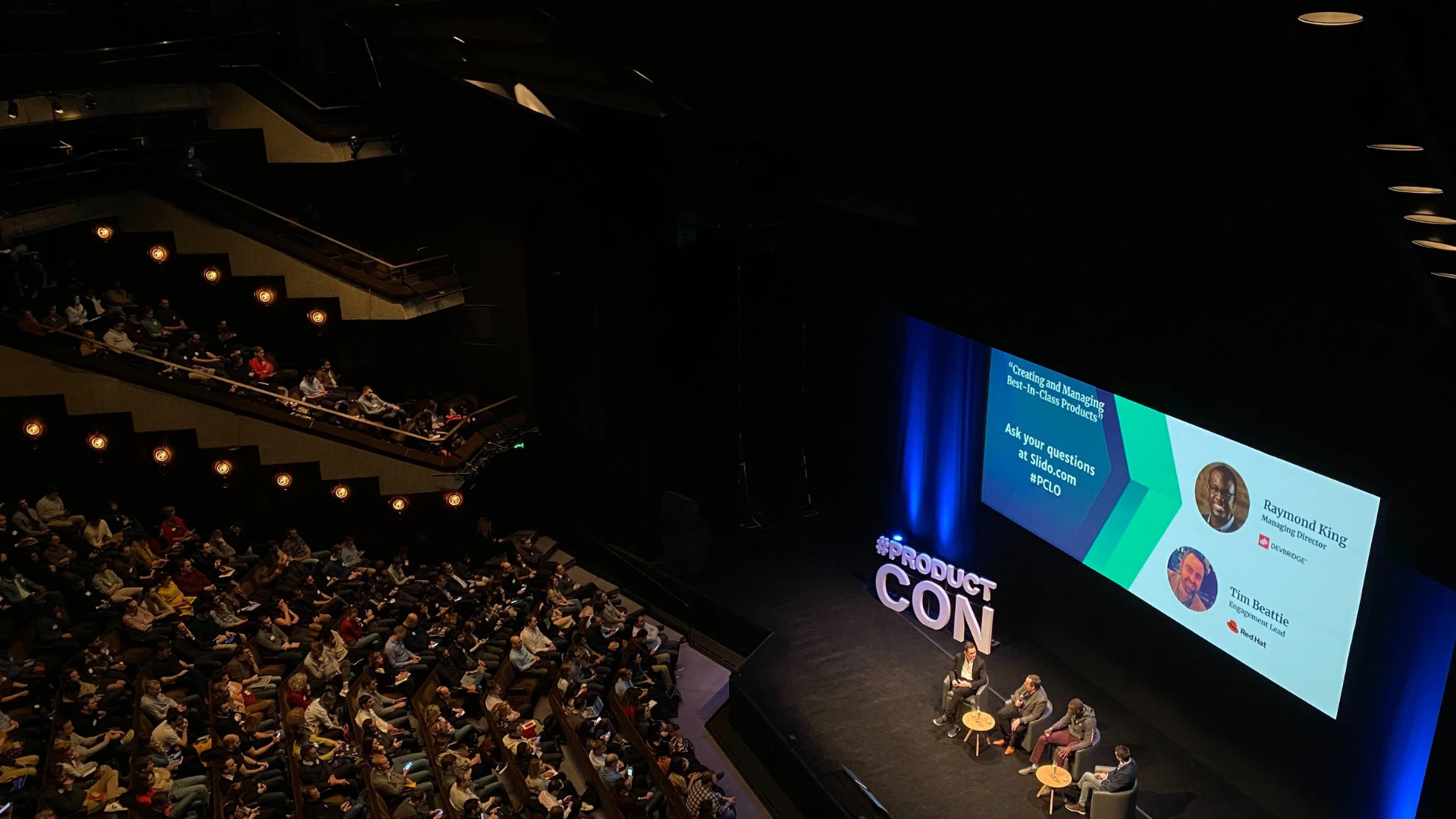
How do I find and select conference speakers?
Good speakers are easier to find than you might think, but they take time to confirm. Start reaching out early – three to four months minimum for busy keynote speakers.
When evaluating potential speakers, look for:
- Relevance – do they have genuine expertise or experience on the topic, or are they a well-known name with only peripheral connection?
- Track record – have they presented to similar audiences before? References from other conference organisers are useful
- Availability and reliability – confirm they can commit well in advance and that they’ll deliver what they’ve agreed to
Be specific about what you need: the topic, the format (keynote, panel, workshop), the session length, and the audience. Vague briefs produce generic presentations.
Diversity across your speaker lineup – in background, seniority, geography, and perspective – produces a richer program and broader appeal.
How do I manage conference registrations?
Conference registration has a lot of moving parts: ticket types (full conference, single-day, student, speaker), dietary requirements, workshop preferences, accommodation requests, and payment processing. Handling these manually is error-prone and time-consuming.
An online registration system lets delegates register and pay in one flow, automatically captures the information you need, and gives you a live view of registrations as they come in. You can track whether you’re on track to hit your target, identify which sessions delegates have selected, and pass accurate catering numbers to your venue.
Set your registration deadline to at least two weeks before the event. This gives you time to finalise catering numbers, print name badges, and handle any last-minute queries without it becoming a crisis.
What should I consider for conference catering?
Conference catering is functional, not just pleasant – it affects the energy and attention of your delegates across the day. A few principles:
- Morning tea and afternoon tea are non-negotiable for full-day events; people’s ability to concentrate drops sharply without them
- Lunch should be substantial enough to sustain people through the afternoon, but not so heavy that delegates fall asleep in the first post-lunch session
- Dietary requirements – collect these at registration, confirm the final numbers with your caterer at least a week out, and ensure there’s clear labelling on the day
- Coffee and tea should be available throughout the day, not just at scheduled breaks
For conference dinners or gala evenings, the same planning logic applies: collect dietary requirements, confirm numbers, brief the venue on your program schedule so the kitchen can time service appropriately.

How do I market a conference effectively?
Effective conference marketing happens across multiple channels and timescales:
- Early-bird registrations create momentum and give you an early read on demand
- Speaker announcements are some of your highest-engagement content – share them as you confirm each speaker
- Program releases (agenda, session descriptions) help delegates plan their attendance and justify the cost internally
- Reminder communications at four weeks, two weeks, and one week out address common delegate questions (parking, dress code, what to bring)
Your event registration page does a lot of the marketing work – it’s where interested delegates will go to learn more and register. Make sure it’s clear, complete, and answers the most common questions (what’s included in the registration fee, what the accommodation options are, whether sessions are recorded).
What do I need to manage on the day of the conference?
Brief your team thoroughly. Everyone helping on the day should know the run sheet, their specific role, who to escalate issues to, and where everything is.
Registration desk management is the first experience delegates have of your event. Queues, confusion, or missing name badges set a poor tone. Have enough staff, a clear system, and any printed materials ready before doors open.
Session timing – brief your MC and session chairs on their role in keeping things on schedule. A conference that runs late throws every subsequent session off.
Technology checks – test all AV, slides, and microphones the afternoon before and again the morning of the event, not five minutes before the first session.
How can TryBooking help with conference registrations?
TryBooking handles the registration side of conference management: multiple ticket types, custom registration questions (dietary needs, workshop preferences, t-shirt sizes), payment processing, and a live view of who’s registered. You can use the data collection features to capture what you need from delegates at the point of registration, so you’re not chasing information later.
Reports are available any time, so you can track registrations, run your catering headcount, and print name badges without manual spreadsheet work.