Ten corporate event ideas worth trying
This guide covers 20+ corporate event ideas – from team-building activities and networking events to conferences and celebrations – with practical setup notes for each.
Planning a corporate event takes more than picking a date and booking a venue. The best ones give people a reason to actually look forward to showing up – something that sparks conversation, builds a bit of connection, and breaks the usual routine.
Here are ten ideas worth considering, with practical notes on how to make each one work.

1. Office Olympics
Office Olympics works well because it’s low-barrier – nobody needs to be athletic, just willing to play. The key is organising teams in advance and assigning captains, so people arrive knowing who they’re with rather than standing around waiting to be grouped.
Choose games that are easy to run in your venue: mini-golf, beanbag toss, darts, and paper plane throwing all work without much equipment. If you want a stronger theme, tailor the games to something your workplace has in common – a tech company might build courses around office props, a legal firm might run a paper-shredding race.
Finishing with a short award ceremony – even paper certificates – rounds the event off and gives people a shared memory to reference later. It doesn’t need to be elaborate; the ritual matters more than the prize.

2. Escape room
Escape rooms have become popular because they put people in a situation where they genuinely need each other. Nobody can solve the puzzles alone, which makes the collaboration feel real rather than forced.
You can hire a mobile escape room operator to come to your venue – useful if you want to avoid coordinating travel – or book out a dedicated escape room venue and rotate groups through different challenges. Splitting people into competing teams adds an element of friendly rivalry and keeps energy up while other groups are playing.
One practical tip: survey colleagues beforehand on preferred themes. Most operators offer a range – heist scenarios, horror, mystery, historical – and matching the theme to your group’s tastes makes a difference. Collecting theme preferences through your event registration form is a simple way to get that input before you commit to a booking.

3. Wine tasting
A hosted wine tasting works as a structured evening – it gives the event a natural arc and keeps the conversation moving without requiring anyone to organise their own entertainment.
Hiring a sommelier is worth the investment. A good one will guide your group through several wines, explain what to look for in each, suggest food pairings, and answer questions as they come up. That guided format means even people who don’t know much about wine still have something to engage with.
A regional focus can make the evening feel more considered. Picking wines from a single region – the Barossa Valley, the Hunter, Marlborough – gives the tasting a coherent thread and makes it easier to compare styles. Alternatively, a vertical tasting of one wine across different vintages gives you a story to follow through the evening.
Keep the format relaxed. The goal is conversation and connection, not a certified course.
4. Paint and sip
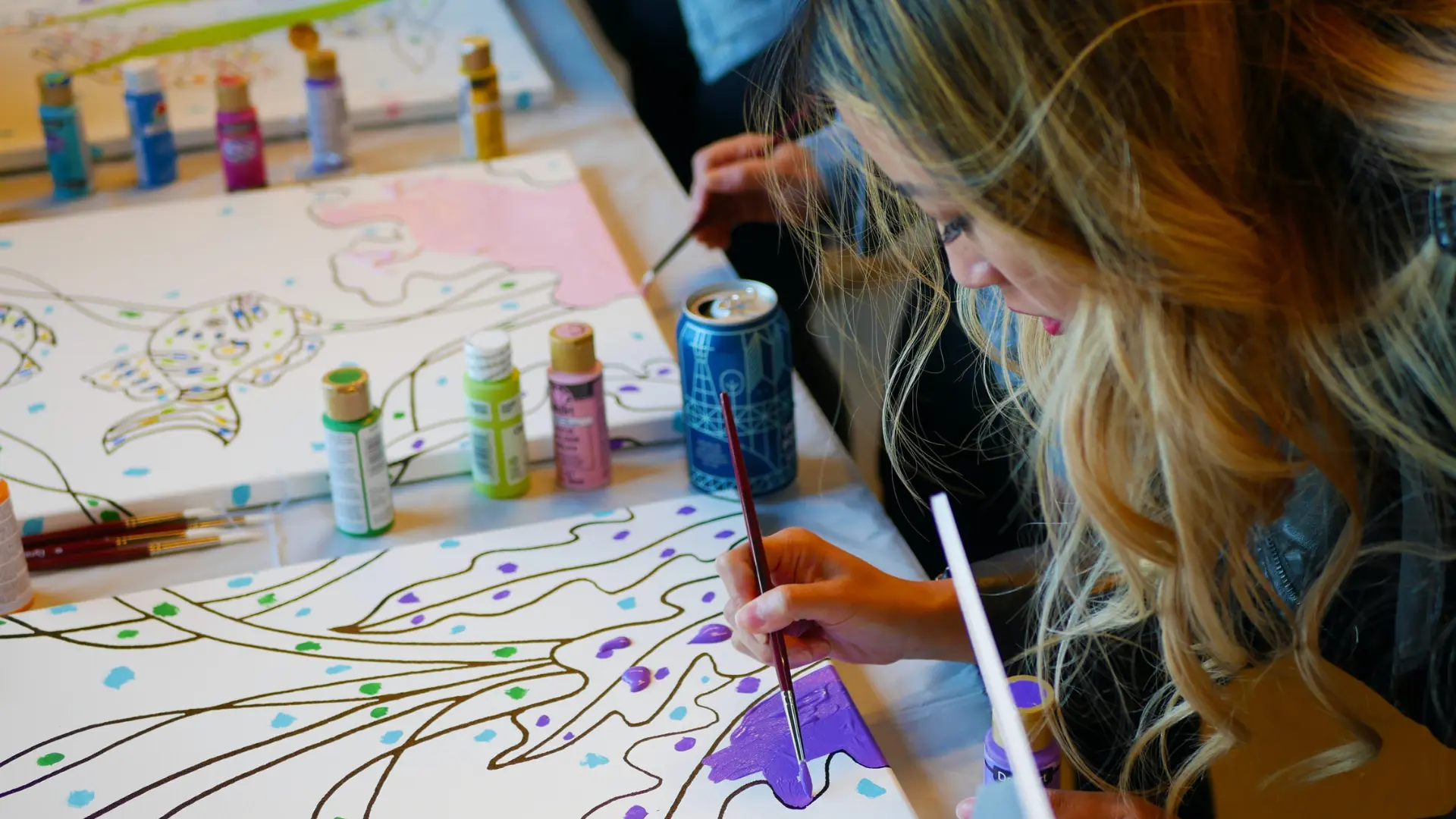
Paint and sip events are more approachable than they sound. A local artist leads the group through a painting step by step, so nobody arrives needing to be creative – they just follow along and see what happens.
What tends to make these evenings work is that everyone ends up with something slightly different despite following the same instructions. That variation gives people something to compare and laugh about, and it creates a natural way for quieter colleagues to get involved in the conversation.
The format adapts well to most venues. A local artist can bring all the supplies – canvases, paint, brushes, aprons – and set up wherever you’re holding the event. Finishing with a short informal showing of everyone’s work is a nice way to close out the evening.

5. Casino night
A casino night doesn’t require anyone to actually gamble – most corporate versions run on chip currency with no real money changing hands, which keeps the evening fun without complications.
Equipment hire companies can supply roulette wheels, blackjack tables, and poker tables along with trained dealers who run the games and explain the rules as needed. That’s useful when you have a mix of people who know the games well and those who’ve never played.
One idea worth considering: at the end of the night, let people donate their chips to a charity vote. Each person allocates their winnings to one of several nominated causes, and the totals are tallied. It adds a layer of purpose to the evening without making it feel heavy.
A dress code – black tie optional, or a specific theme like a 1960s spy night – raises the atmosphere and gives people an easy way to feel invested before they’ve even arrived.
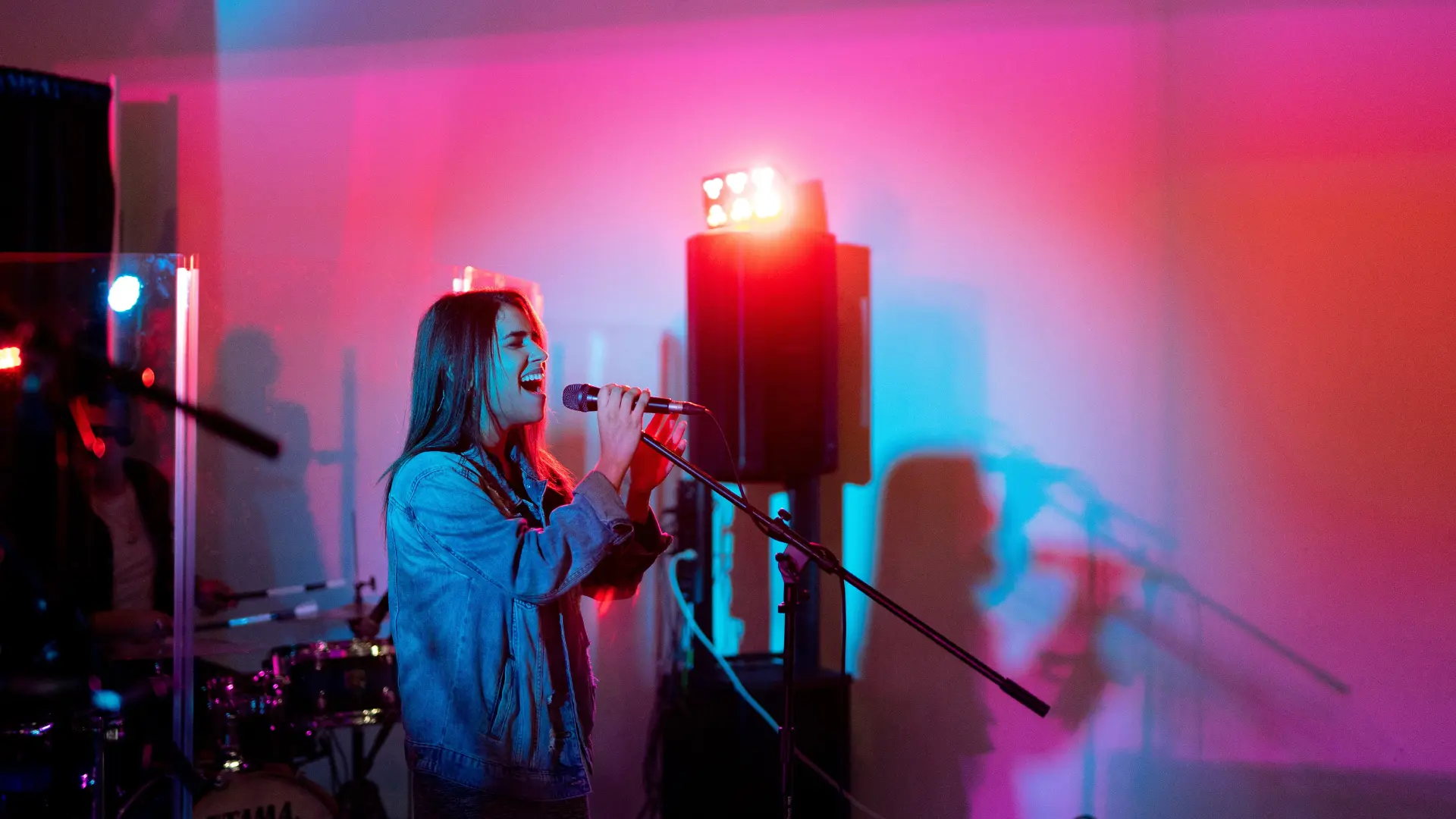
6. Karaoke night
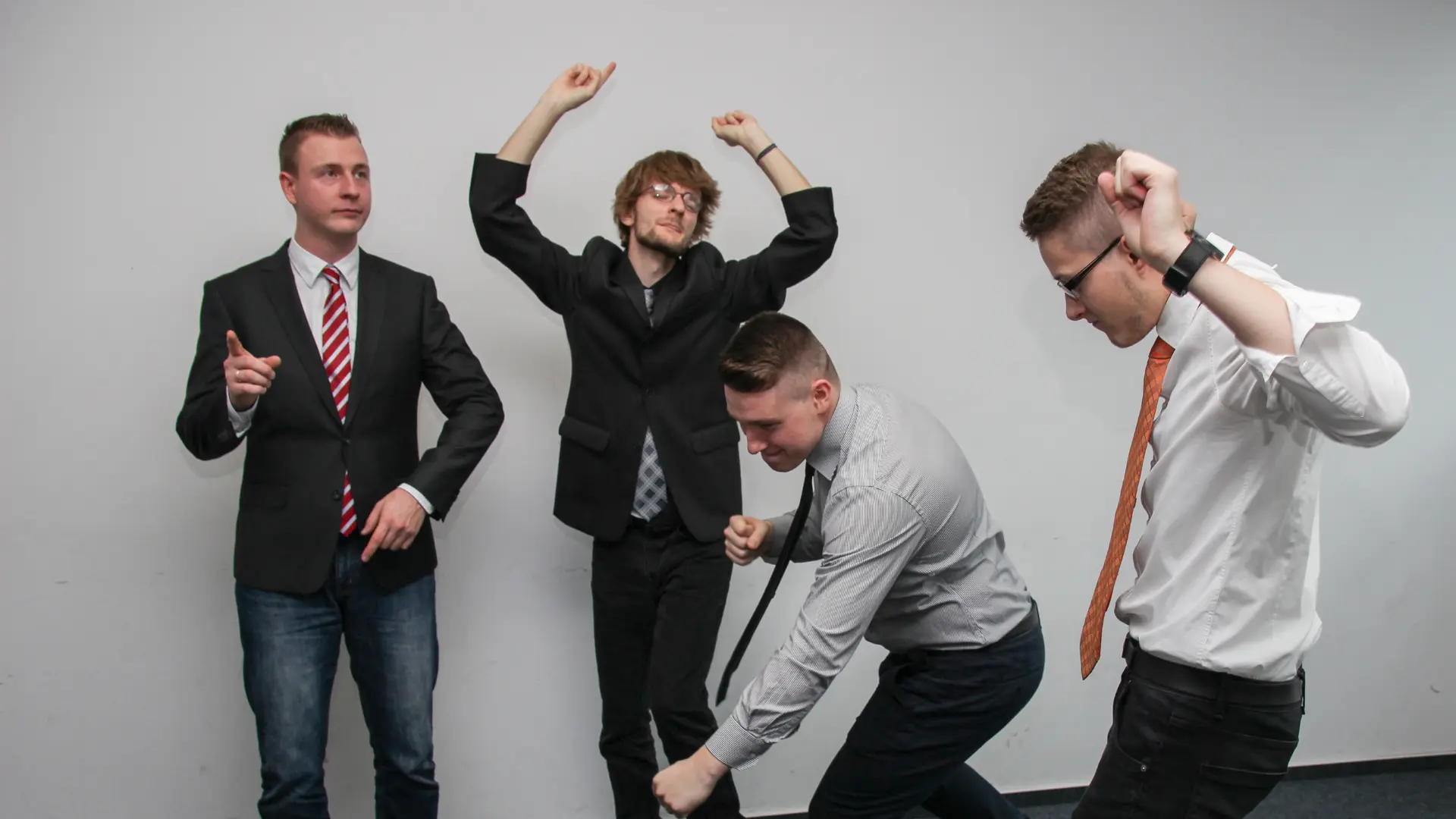
Karaoke has stayed popular because it’s genuinely hard to watch someone commit to a song and not enjoy it – even when (especially when) the performance is terrible.
Hiring a karaoke system is straightforward and most equipment providers will include a song catalogue of several thousand tracks. A theme can help warm the room up: limiting the first hour to songs from a particular decade or genre gives people a starting point and means even reluctant singers have an easy excuse to get up.
The main thing is keeping the atmosphere low-pressure. No compulsory performances, no commentary on people’s singing. The best karaoke nights are the ones where people end up singing who you’d never have expected.

7. Murder mystery dinner
A murder mystery dinner combines a structured activity with a meal, which means it works well for groups who want something more organised than a free-form social.
Most operators provide everything: character briefs sent out in advance, a facilitator who runs the scenario during the evening, and enough plot twists to keep people engaged across two or three courses. Sending character packs out beforehand lets people think about their role and arrive with a bit of energy for it.
What makes these evenings work as team events is that solving the mystery genuinely requires comparing notes with other tables or groups. It creates natural reasons to talk to colleagues you might not otherwise end up speaking to in a social setting.
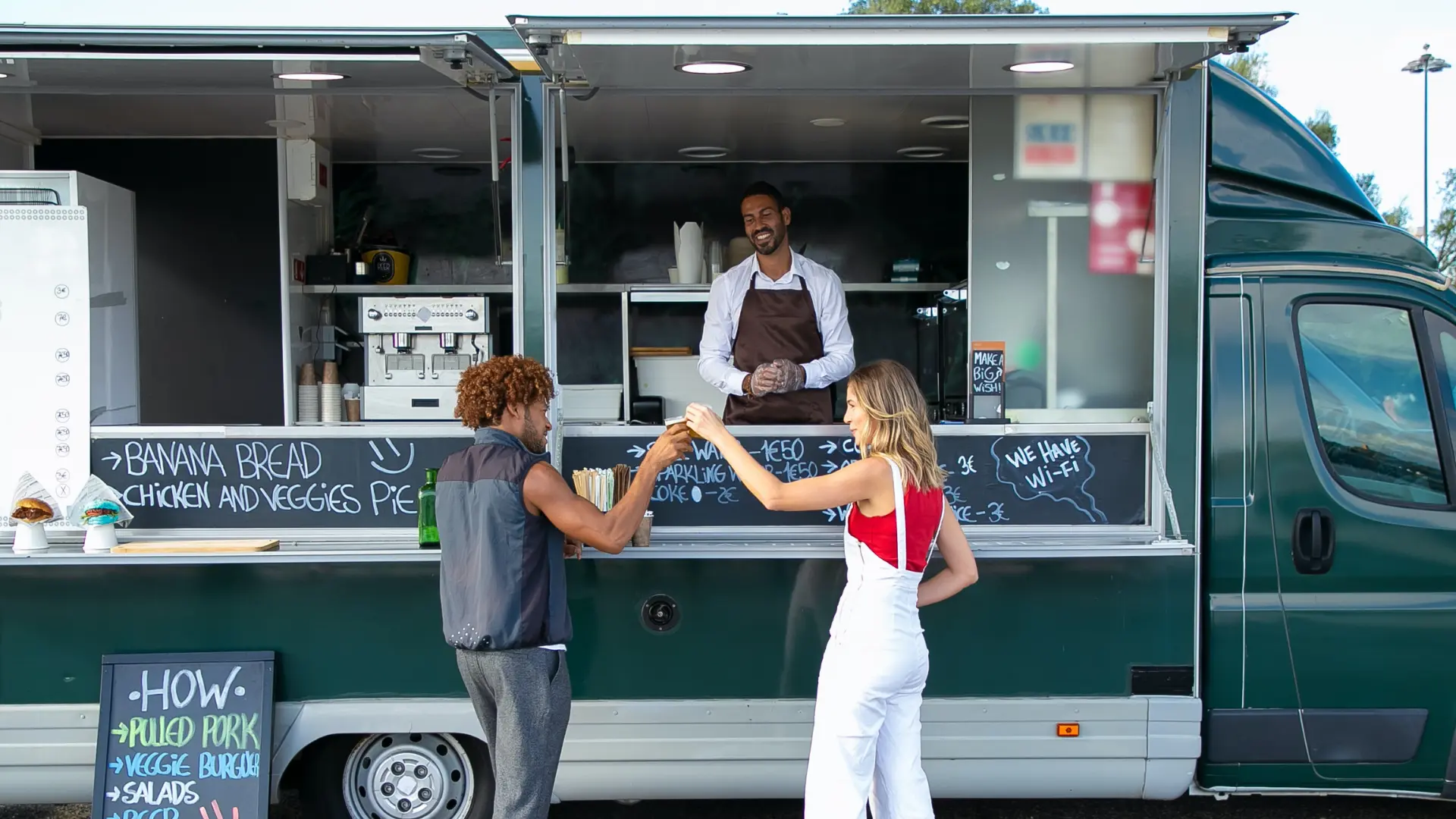
8. Food truck festival
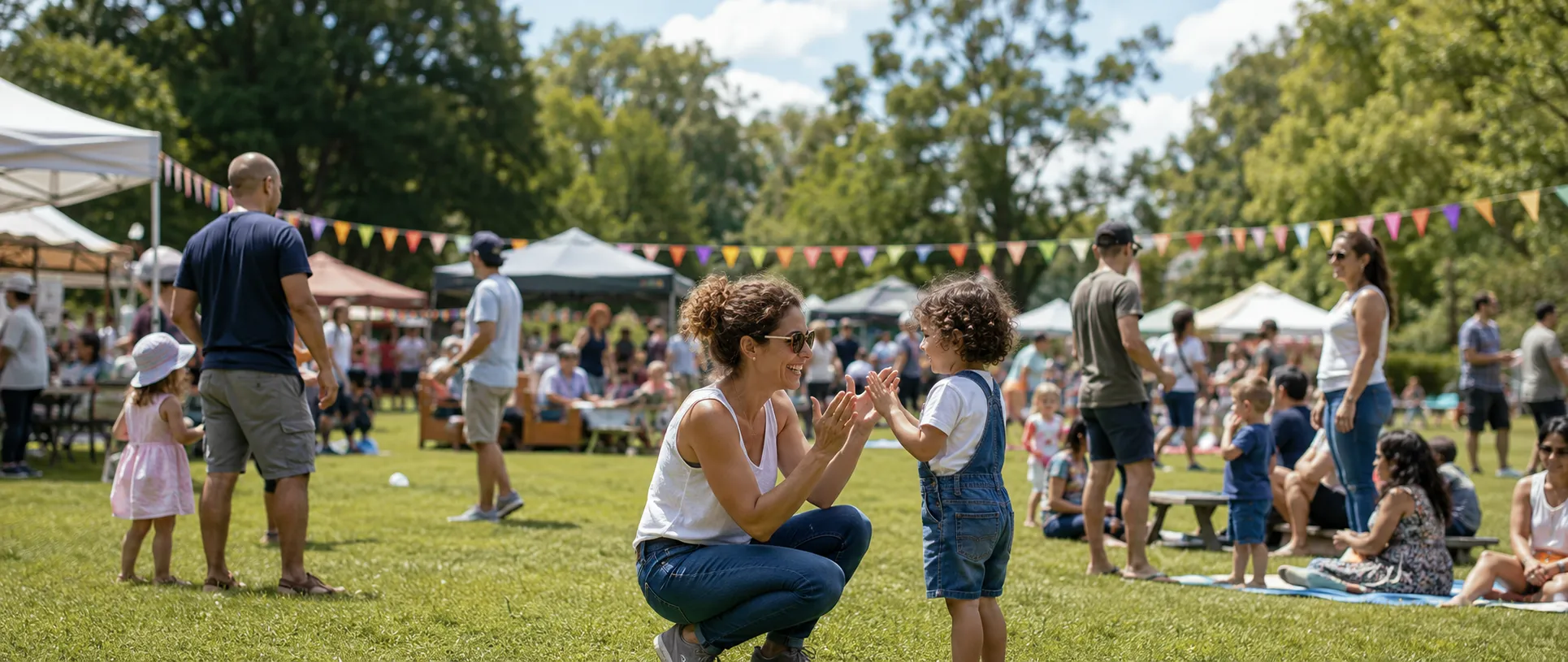
A food truck festival is well suited to larger groups or outdoor venues. Having multiple trucks serving different cuisines means people can move around, try different things, and naturally break into smaller conversations rather than sitting fixed at a table all evening.
The practical side requires some coordination – confirming truck availability, arranging power access if needed, thinking through spacing and queuing. Most food truck operators have run corporate events before and can advise on the setup.
One thing worth building into your registration process is collecting dietary requirements and allergy information upfront. Knowing your group’s requirements before the day lets you confirm with operators that there are suitable options, rather than managing it on the night.
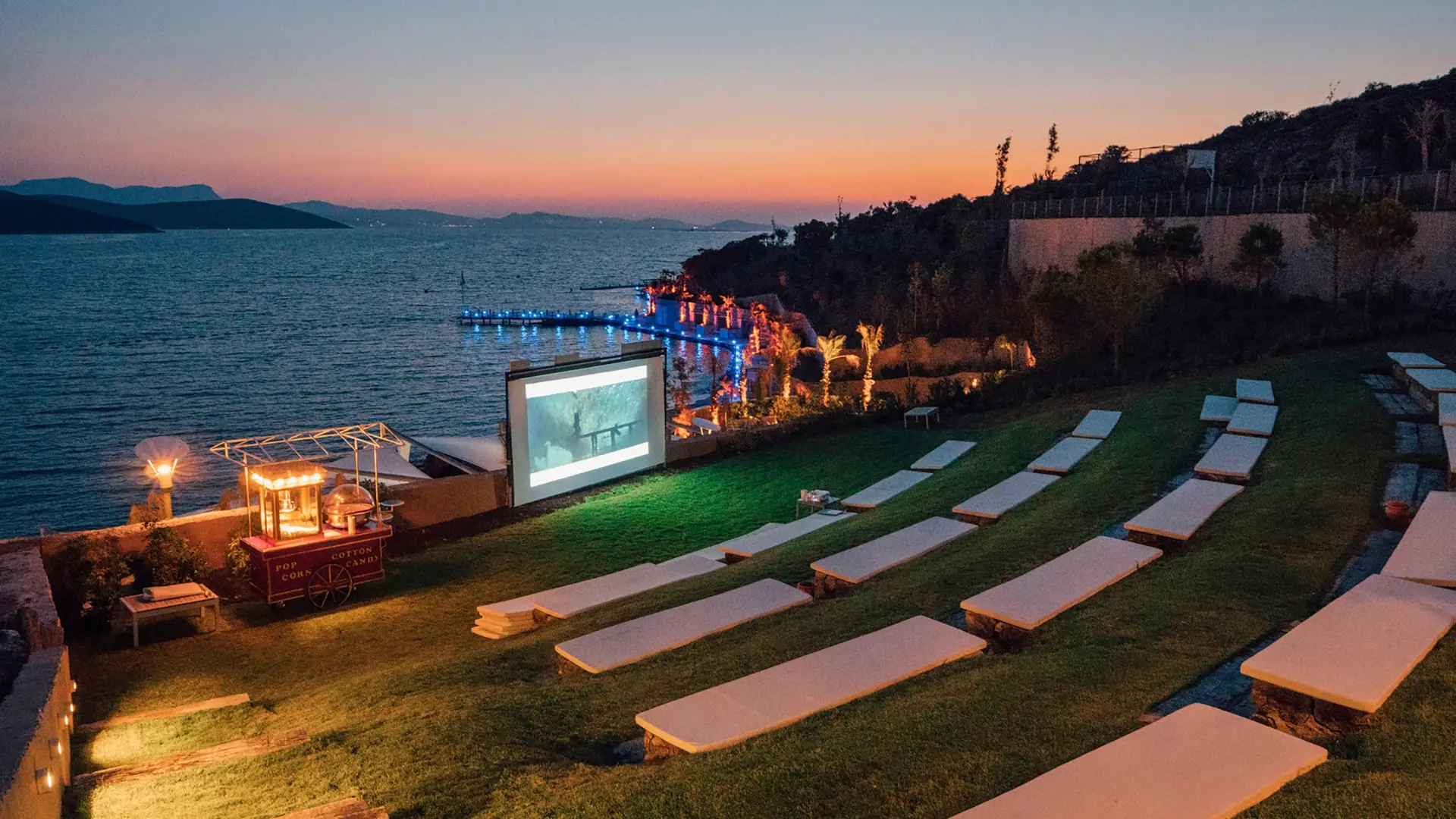
9. Outdoor movie night
An outdoor movie night works best with some considered setup: a decent screen, a clear audio setup, and enough blankets and seating that people are actually comfortable for the duration.
The film choice matters more than it might seem. A crowd-pleaser that most people haven’t seen recently tends to land better than a recent release or a film with a very divided fan base. Polling the group for preferences beforehand is worth doing.
Food and drink make a real difference to how the evening feels. Pre-packaged snack bags, a popcorn station, or a simple drinks setup are all easy to arrange. A warm night with good food, a comfortable setup, and a film people enjoy is a reliable formula for a good event.
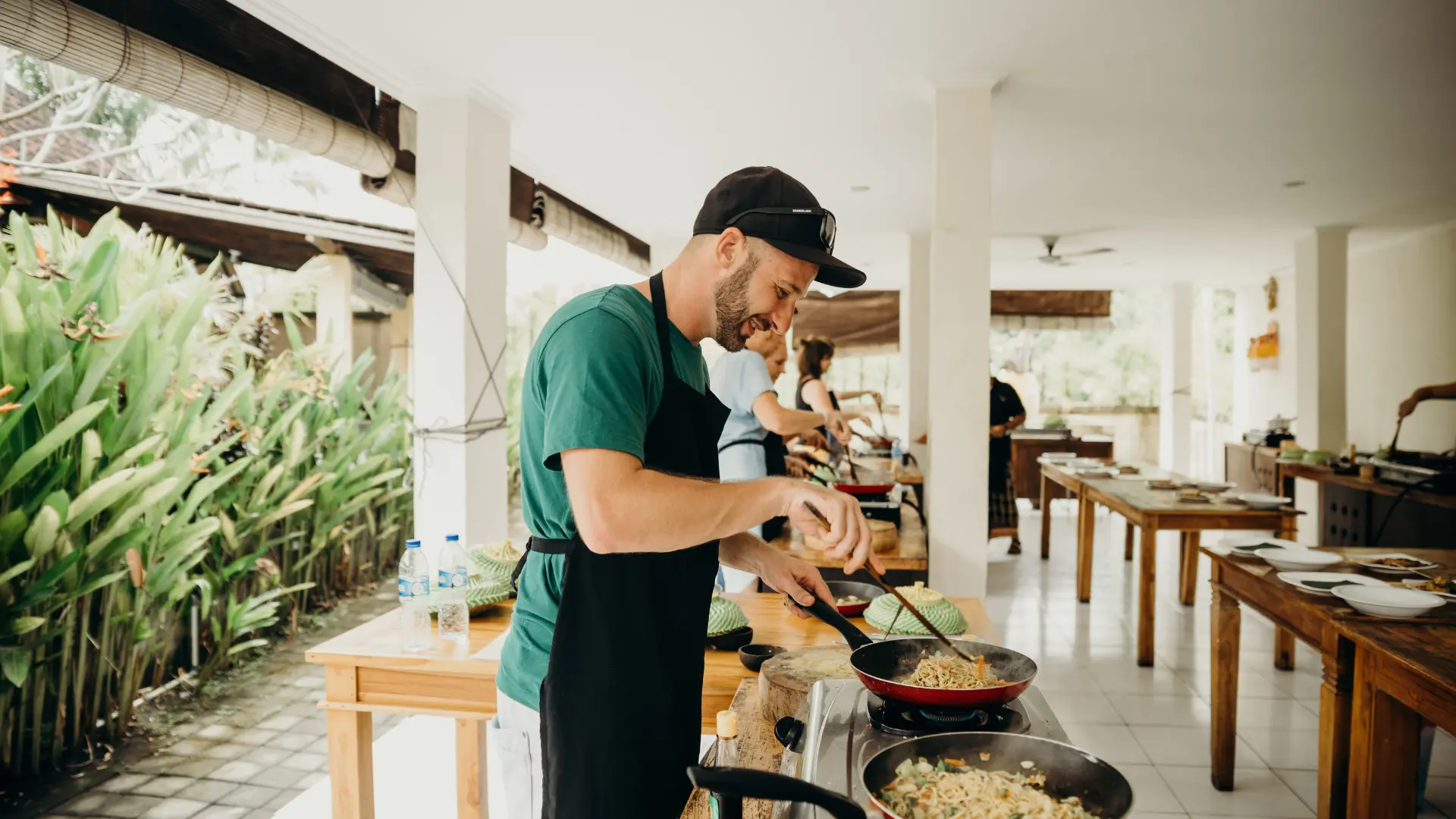
10. Cooking competition
A cooking competition works well when the format is clear from the outset. Decide whether you’re asking people to bring a finished dish to be judged, cook on the day with supplied ingredients, or follow a format inspired by a structured challenge. Each version creates a different kind of event.
If people are cooking on the day, you’ll need to think about equipment, timing, and a judging brief that gives people something to aim for beyond just “best dish.” Categories – best presentation, most creative use of an ingredient, best flavour – keep the judging structured and give everyone a fair shot.
What tends to make these events enjoyable is the process as much as the outcome. People cooking alongside colleagues, asking each other for input, tasting each other’s work. The competition is the scaffold; the connection is the point.
A note on managing registrations
For any of these events, keeping track of numbers, dietary requirements, and team groupings gets unwieldy fast if you’re doing it through emails and spreadsheets. Using a platform like TryBooking to handle registrations – including custom questions to collect what you need from attendees – keeps that admin manageable and means you can focus on the event itself.
If you’re looking for a broader planning framework, our conference planning guide covers the practical steps from setup through to the day.