Event sponsorship guide
Sponsorship can make the difference between an event that just covers costs and one that delivers a genuinely memorable experience. This guide covers the full process: finding the right sponsors, making a compelling approach, structuring your packages, and understanding what companies actually want in exchange for their support.
What are event sponsors actually looking for?
Before you approach anyone, it helps to understand why companies sponsor events in the first place.
Sponsorship isn’t charity. Businesses invest in events because they get something back – brand visibility, access to a specific audience, lead generation, community reputation, or the association with something their customers care about. The event that attracts sponsors most reliably is one where the organiser can clearly articulate the return.
The most common things sponsors are looking for:
Audience alignment – Does your event reach the kind of people they want to reach? A financial planning firm sponsoring a retirement expo is obvious. A children’s clothing brand sponsoring a school sports carnival makes sense. The sharper the fit between your audience and the sponsor’s target market, the more valuable the opportunity is to them.
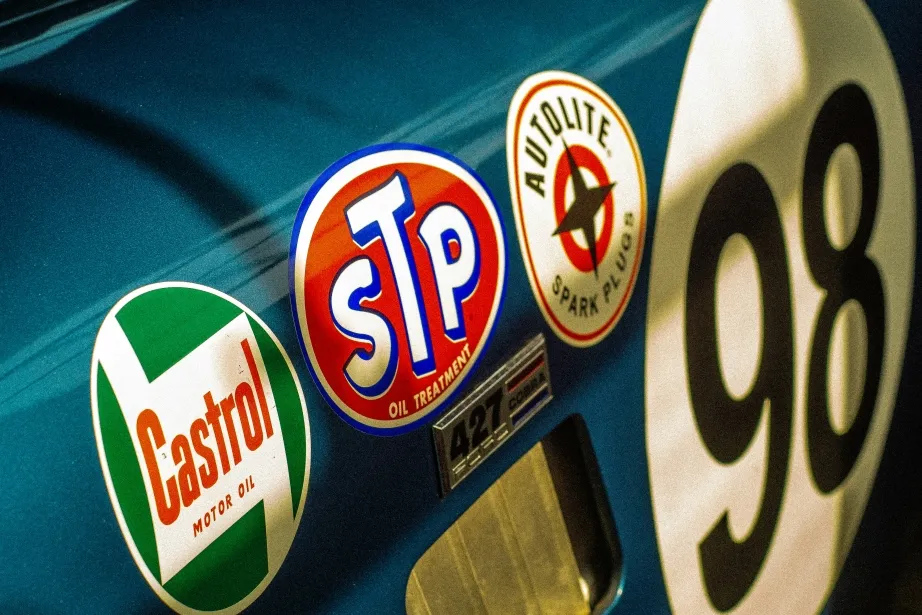
Brand visibility – Logo placement on event materials, signage, tickets, and digital channels. The more prominent and the longer the exposure window, the more valuable.
Lead generation and data – Some sponsors want direct access to attendees: a stand, an opportunity to present, or post-event contact with opted-in attendees.
Reputation and community connection – Local councils, professional associations, and community organisations often sponsor events to demonstrate investment in their community or sector, not just for commercial return.
In-kind contributions – Many sponsors prefer to contribute goods or services rather than cash. This can work well for both sides: they’re providing something they already have at low marginal cost, and you get something you’d otherwise have to purchase.
What types of event sponsorship are there?
Understanding the different types helps you structure your packages and approach the right people.
Financial sponsors provide direct funding. These are typically larger organisations with formal marketing budgets and a structured approval process. Allow more lead time when approaching them.
In-kind sponsors contribute goods or services – venue space, catering, printing, audiovisual equipment, merchandise, or transport. In-kind support can substantially reduce your event costs even if no cash changes hands.
Media partners offer promotional coverage: editorial mentions, social media promotion, advertising space, or interview opportunities. Approaching local media outlets as media partners (rather than just hoping for coverage) often produces better results than a press release alone.
Promotional partners – organisations, influencers, or community groups who help spread the word to their audience in exchange for visibility, tickets, or recognition.
How do I find the right sponsors for my event?
Start with your existing relationships. The easiest sponsorship to secure is from someone who already knows you or your organisation. Suppliers, venue partners, neighbouring businesses, and companies that regularly attend your events are all worth approaching first.
Think from the audience outward. List the characteristics of your attendees: industry, age range, interests, location, income range, life stage. Then ask which businesses would most value access to that audience. Work through the list systematically.
Look at who sponsors similar events. Conference programs, festival websites, and sporting event materials all list sponsors publicly. The companies investing in similar events to yours are already predisposed to this type of marketing – they’re worth approaching directly.
Research before you reach out. Understand the company’s current marketing priorities, their target customer, and how your event aligns. A thirty-minute research session per sponsor substantially increases your conversion rate.
How do I structure sponsorship packages?
Tiered packages make it easier for sponsors to self-select based on budget, and they create a natural anchor effect – most sponsors end up choosing a middle tier when given three options.
A common structure:
Principal sponsor (one only) – your most prominent branding position: title or presenting partner, largest logo placement across all materials, stage acknowledgement, and first choice of any additional benefits.
Major sponsors (two or three) – prominent branding, signage at the event, logo in marketing materials and on digital channels.
Supporting sponsors – logo on event materials and website, acknowledgement in communications.
In-kind partners – acknowledged separately, with benefits tailored to their specific contribution.
Be specific about what each tier includes. Vague descriptions (“social media exposure”) are less persuasive than specific ones (“mentioned in six social posts to our audience of 4,200 followers, with logo included in two of those posts”).
If you have data from previous events – attendance numbers, audience demographics, social media reach, post-event survey results – include it. Sponsors respond well to evidence.

How do I write a sponsorship approach?
Most sponsors receive generic mass emails and don’t respond to them. A personalised, well-researched approach stands out immediately.
What to include:
- A brief introduction to you and your event – one paragraph, not a company history
- Why you’re approaching them specifically – show that you’ve done some research
- Your event overview: date, location, expected attendance, audience profile
- The specific sponsorship opportunity you’re offering, with the most relevant benefits highlighted for their business
- A clear call to action – request a short call or meeting, not an immediate yes
On tone: Keep it professional but direct. You’re not asking for a favour – you’re presenting a commercial opportunity. Make the case clearly and let them decide.
Follow up. If you haven’t heard back within a week or two, a brief follow-up email is entirely appropriate. Decision-makers are busy; a timely reminder often converts a non-response into a yes. If they decline, take it graciously – circumstances change, and the relationship is worth maintaining for future events.

Sponsorship letter templates
These templates are starting points. Personalise them – sponsors will notice if you haven’t.
General outreach template
Subject: Sponsorship opportunity – [Event name], [Date]
Dear [Name],
I’m reaching out about an upcoming event that I think would be a strong fit for [Company name].
[Event name] is a [brief description – one sentence] taking place on [date] at [location]. We’re expecting [number] attendees, primarily [brief audience description].
Given [Company name]’s focus on [relevant aspect of their business], I believe this is an audience you’d value reaching. I’d welcome the chance to walk you through our sponsorship options and explore whether there’s a good fit.
Would you be available for a brief call in the next week or two?
Kind regards, [Your name]
Tiered sponsorship offer template
Subject: [Event name] – sponsorship packages
Dear [Name],
Thank you for your interest in [Event name]. I’ve outlined our sponsorship packages below.
Principal partner – $[amount] [List three to four specific benefits]
Major sponsor – $[amount] [List two to three specific benefits]
Supporting sponsor – $[amount] [List one to two specific benefits]
Our event reaches [audience description] and last year attracted [number] attendees. [Add one relevant data point if available.]
I’m happy to discuss any of these packages or tailor something to better suit your goals. Let me know what works for you.
Kind regards, [Your name]
In-kind sponsorship request template
Subject: In-kind partnership – [Event name]
Dear [Name],
I’m organising [Event name] on [date] and I’m looking for an in-kind partner who could contribute [specific goods or services].
In return, you’d receive [list specific benefits: signage, acknowledgement, social posts, etc.]. Our audience of [number] attendees [brief description] closely matches [Company name]’s customer profile.
I’d love to explore whether this could work for both of us. Would you be open to a short call?
Kind regards, [Your name]
What should I do after the event to retain sponsors?
Sponsors who feel their investment was worthwhile will sponsor again. Sponsors who feel it wasn’t won’t.
Send a post-event report within two weeks of the event. Include attendance figures, key moments, photos featuring their branding, social media metrics, and any other data that demonstrates value. If you ran a survey, include relevant results.
If you want long-term sponsor relationships – which are far more efficient than constant prospecting – treat the post-event report as seriously as the initial pitch.
How can TryBooking help with event sponsorship?
If you’re managing ticketed events on TryBooking, sponsor logos can be displayed on your event landing page and included on tickets, giving sponsors visible brand placement at the point of booking. That’s a touchpoint your attendees see before the event even takes place – worth factoring into how you communicate the value of your packages.