Halloween event planning guide
Halloween falls on 31 October and has become one of the UK’s most enthusiastically embraced celebrations. Whether you’re organising a community event, a school fundraiser, or a party for adults, this guide covers everything you need to plan something genuinely memorable.
What Halloween event format should I choose?
The format shapes every other decision – venue, budget, activities, and audience. Here are the most popular options and what each involves.
Halloween party – The most versatile format. Works for families, adults, schools, and community groups alike. Needs a venue large enough for your guest list, a strong theme, and good food and music.
Haunted house – Transform a home, school hall, or workplace into a walk-through scare experience. Tailor the intensity to your audience. Low-key for families with young children; more theatrical for teens and adults.
Horror film night – A projector and a dark room are all you need. Great for smaller groups. Pair with themed snacks, encourage fancy dress, and sell tickets in advance so you know numbers.
Escape room – A Halloween-themed puzzle experience works well for groups of adults or older teens. Takes planning to set up but delivers a genuinely immersive experience.
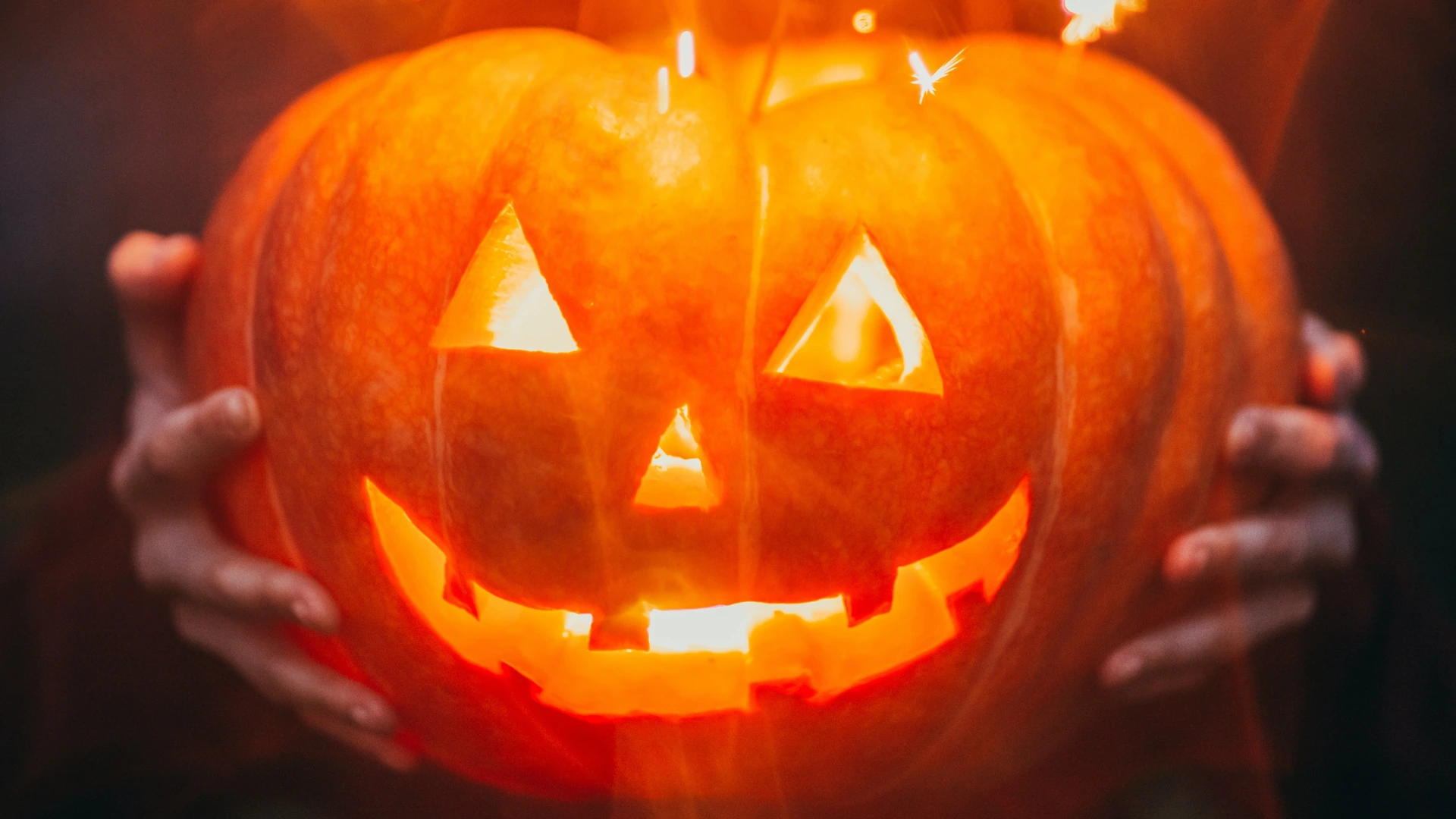
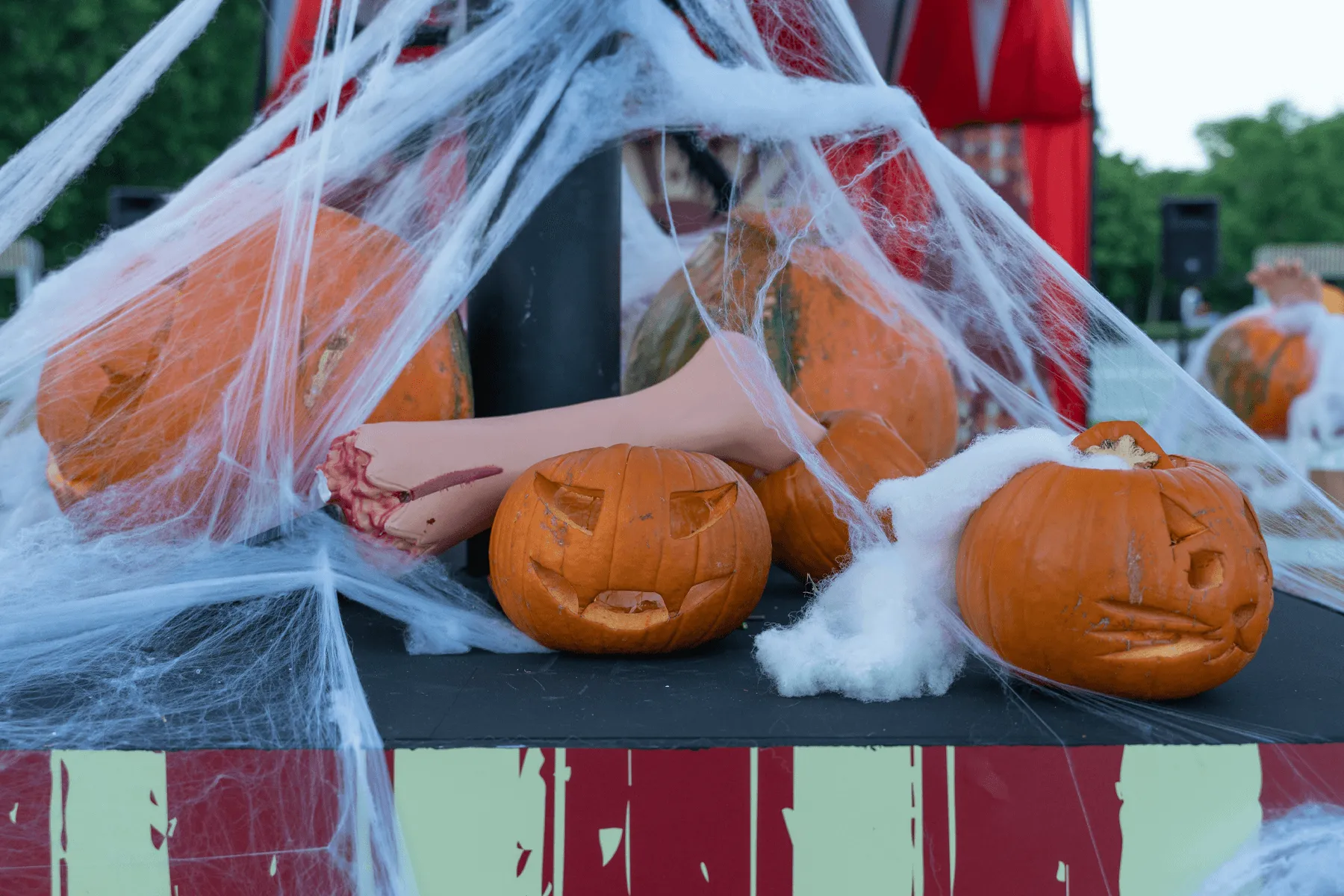
Pumpkin carving event – A relaxed, hands-on activity suited to all ages. Provide pumpkins, tools (or paint for younger children), and a judging category for prizes. Works well as a standalone event or as an activity within a larger party.
Zombie run – A themed fun run or walk along a spooky route. Excellent for fundraising, suitable for families, and easy to scale from 20 participants to several hundred.
Costume and trivia night – Combines a quiz format with a costume contest. Popular with adult community groups, schools (parent events), and local clubs.
Ghost tour – If you have access to a historic property, old building, or atmospheric outdoor space, a guided ghost tour with sound effects and storytelling can be genuinely theatrical. Always confirm permission from the property owner or manager before promoting the event.
How do I create the right Halloween atmosphere?
Decorations do the heavy lifting on atmosphere. Plan them in advance and recruit a small team to set up on the day.
Lighting – Dim or coloured lighting makes any space more atmospheric. Flickering candles, string lights, lanterns, and black lights all work well. Avoid spaces that are too dark for safety; use pathway lighting at entry and exit points.
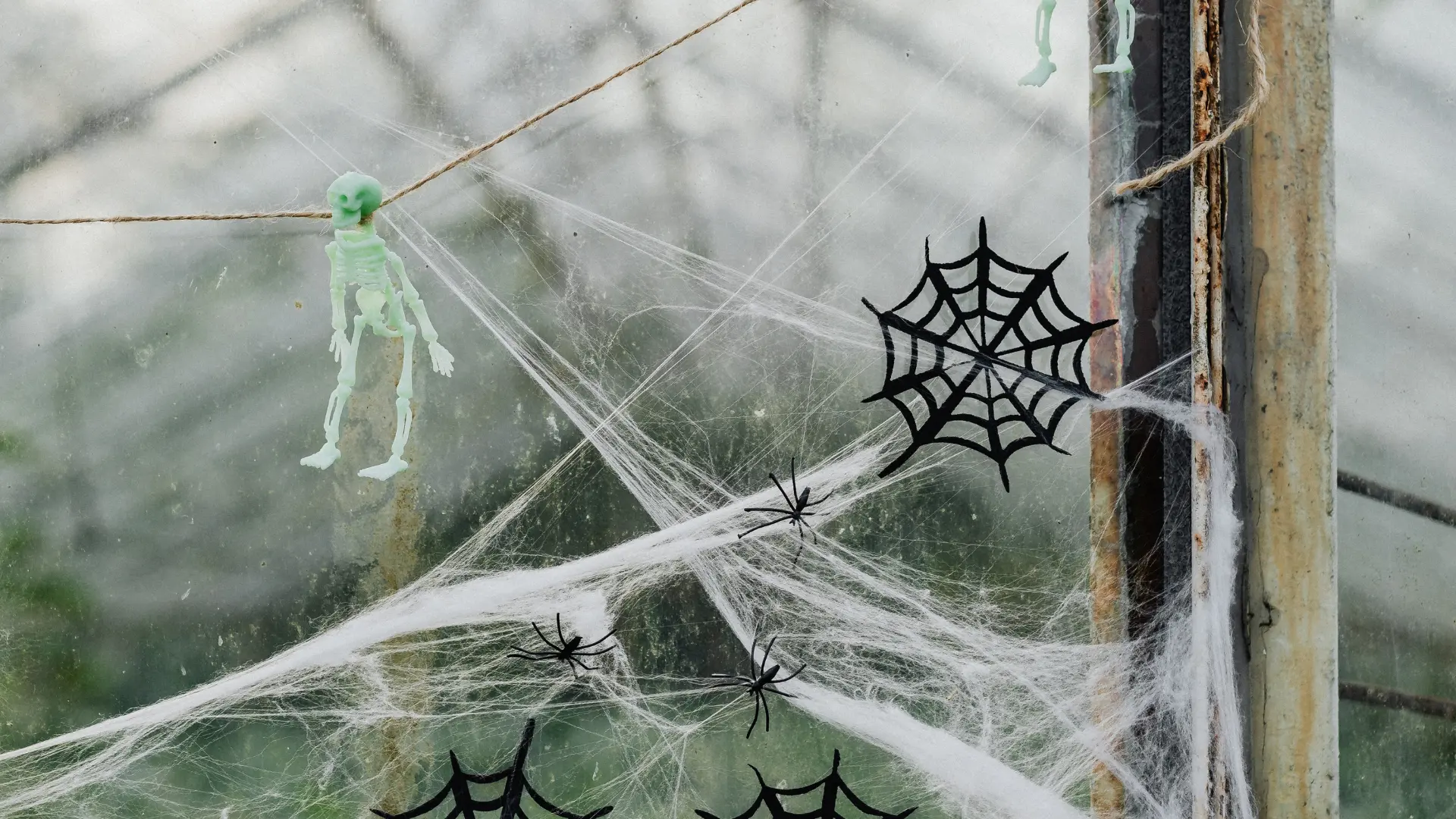
Props – Cobwebs, skeletons, tombstones, fake bats, and hanging ghosts are inexpensive and available widely from late September. Scatter them throughout the venue rather than concentrating everything in one spot.
Music – Compile a playlist of Halloween sound effects and atmospheric music to run throughout the event. Classic horror film scores, eerie ambient tracks, and well-known Halloween songs all work. Keep the volume at a level that lets guests talk comfortably.
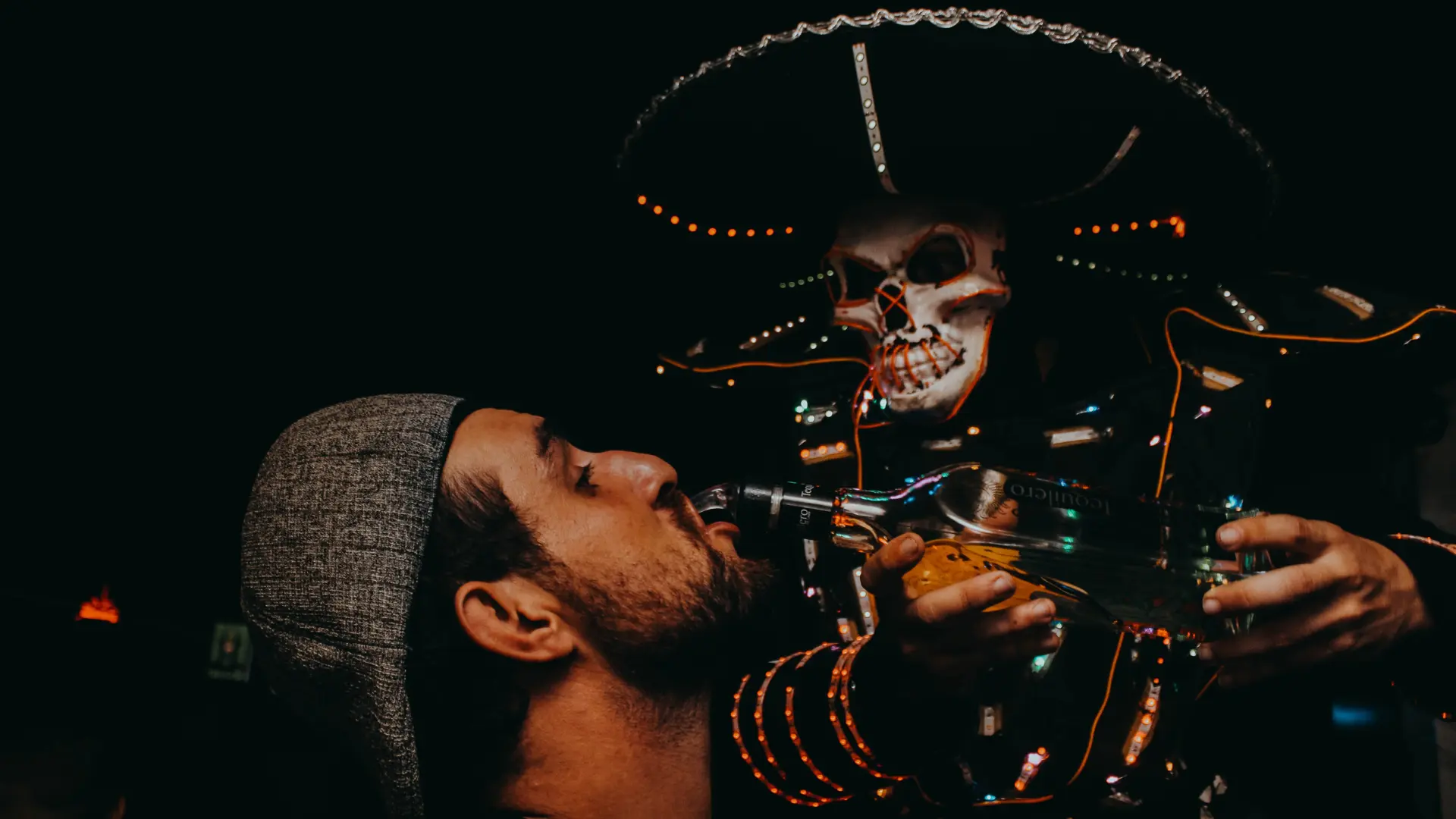
Sub-theme – Rather than generic “Halloween”, consider a more specific theme. A haunted mansion, enchanted forest, Día de los Muertos, or horror film era (slasher films, classic monster movies) gives guests something more creative to dress to and makes decorating more cohesive.
How do I run a costume contest?
Costumes are central to a great Halloween event. Make them easy to participate in, but reward those who go all out.
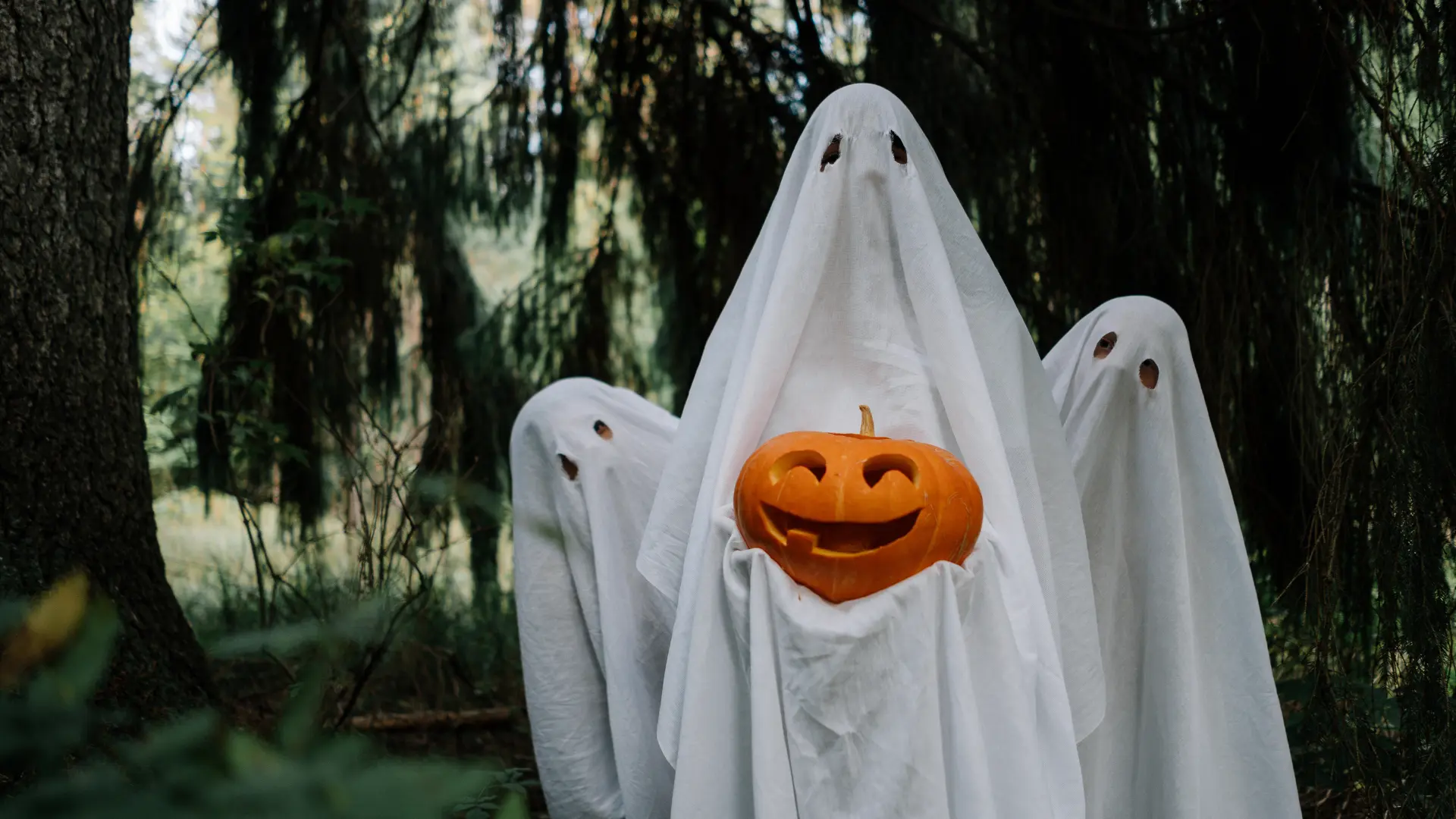
Costume contest – Running a judged contest encourages effort. Categories that work well include: scariest costume, best DIY costume, best group or couple costume, and most creative interpretation of the theme. Offer prizes – even small ones drive participation.
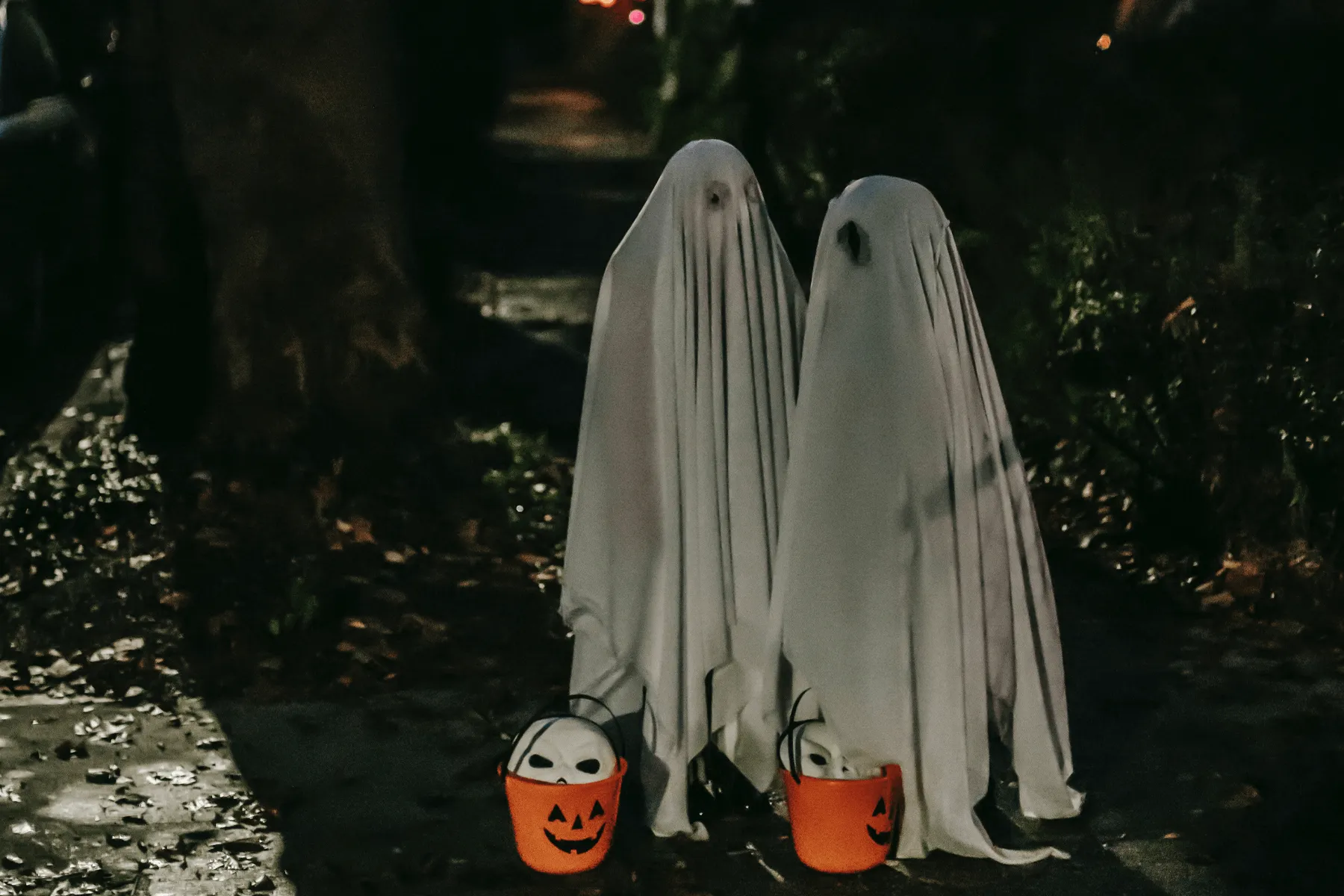
Kids vs adults – For mixed-age events, run separate categories for children and adults. Young children enjoy classic characters: witches, ghosts, skeletons, and their favourite TV or movie figures. Adults tend to respond better to themed or creative briefs.
Communicate clearly – Include costume expectations (and any restrictions) in your invitation and event description. If the event is adults-only, say so. If children are welcome, note whether very scary costumes are discouraged.
What Halloween activities work for all ages?
The right mix of activities keeps guests engaged and avoids lulls in the event.
For kids:
- Trick-or-treat scavenger hunt – plant items around the venue or plot a route through a neighbourhood
- Bobbing for apples
- Pumpkin painting or decorating (safer than carving for under 8s)
- Mummy wrap relay – pairs race to wrap one person in toilet paper
- Halloween crafts station
For adults:
- Halloween trivia
- Murder mystery – either a purchased kit or a custom scenario for smaller groups
- Costume parade and contest
- Séance or tarot card reading (theatrical rather than earnest – keep it fun)
- Silent disco with a Halloween playlist
For mixed groups:
- Pumpkin carving contest with age-appropriate divisions
- Horror film screening
- Halloween bingo
- Themed games and prizes throughout the evening
Goody bags – A simple goody bag with sweets and small novelties (fake fangs, Halloween jokes, glow-in-the-dark items) is a crowd-pleaser for guests of all ages. In the UK, classic inclusions are foam fangs, jelly spiders, and pick-and-mix sweets in black and orange.

What food and drinks should I serve at a Halloween event?
Themed food and drinks reinforce the atmosphere without requiring a professional kitchen.
Savoury:
- Mummy hot dogs – cocktail sausages or hot dogs wrapped in strips of crescent dough, with mustard “eyes”
- Witch finger breadsticks – baked with an almond “fingernail”
- Spider web dips – hummus or guacamole with a sour cream web piped on top
Sweet:
- Cupcakes decorated with edible spiders, gummy worms, or orange and black frosting
- Chocolate chip spider cookies
- Pretzel bites dipped in white chocolate with a candy eyeball pressed in
Drinks:
- Punch in a cauldron with dry ice for a smoky effect
- Halloween-themed cocktails for adults – blood orange margarita, midnight martini, witch’s brew (coloured with butterfly pea tea)
- Non-alcoholic options in black and orange: grape juice with lime, or a lime sherbet punch
For a larger event, consider food stations by theme rather than a single table. It manages flow and gives guests more to explore.

What venue and safety planning do I need?
Venue selection – Match the space to your format. A Halloween party for 100 people needs a different venue from a pumpkin carving workshop for 20. Consider: car parking, toilets, kitchen access, noise restrictions, and how you’ll decorate and pack down. For outdoor events, have a wet weather plan.
Safety planning – Regardless of event size, a few safety basics apply:
- Ensure entry and exit paths are well-lit and clear of trip hazards from props or decorations
- Use battery-operated candles rather than real flames wherever possible, particularly in enclosed spaces
- Brief volunteers on any scare elements so nothing surprises staff managing safety
- For events with children, brief volunteers on where parents should wait and have a clear reunification process if a child becomes separated
- For outdoor routes (ghost tours, zombie runs), do a daylight walk of the route first and mark any uneven ground
How do I manage ticketing and logistics for a Halloween event?
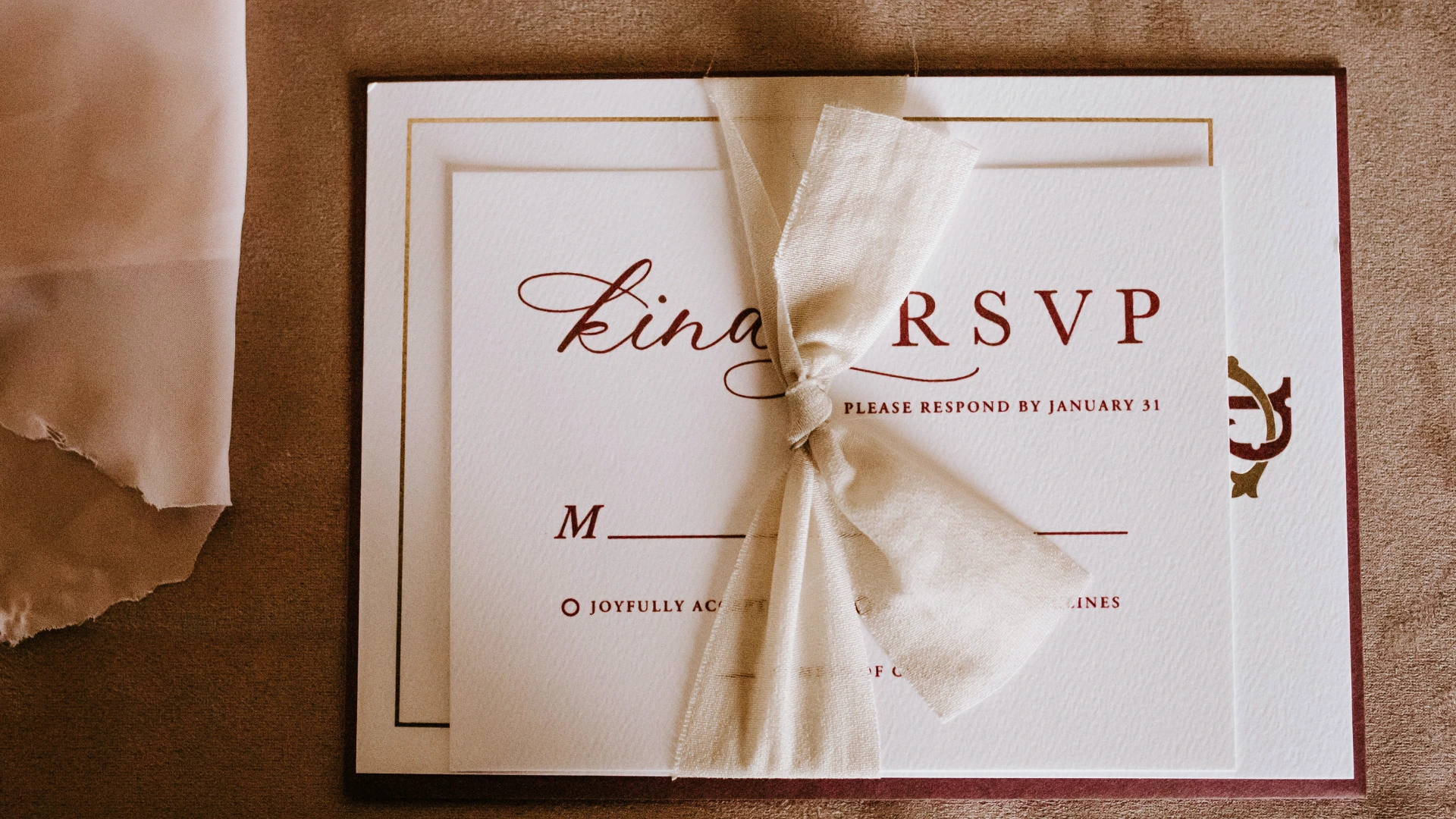
Selling tickets in advance gives you an accurate headcount, reduces the stress of managing cash on the night, and makes it easier to communicate with guests before the event.
If you’re using TryBooking, you can set up a free event page with custom branding, collect dietary requirements or costume category preferences through custom form fields, and send reminder communications to registered attendees before the night.
How do I promote my Halloween event?
For community and fundraising events, start promoting at least three weeks out. Use:
- A designed flyer with a dark background and Halloween-appropriate visuals – even a simple Canva design works well
- Social media posts with the event image, key details, and a link to book
- Local community groups and school newsletters for family events
- Email to existing attendees if you’ve run similar events before
Include your costume brief, any age restrictions, and parking information in all promotion. The more clearly you communicate, the fewer queries you’ll manage on the night.

How can TryBooking help with my Halloween event?
TryBooking works well for Halloween events of any size – from a free community party to a ticketed fundraiser or paid experience. You can create your event page in minutes, set ticket types (general admission, VIP, family packs), and collect anything you need from attendees upfront using custom form fields. If you’re running a fundraiser, donations can be added alongside ticket sales on the same booking page.
Frequently asked questions
How far in advance should I plan a Halloween event?
Start planning 6-8 weeks before 31 October for a simple party or community event. For more complex formats like haunted houses, escape rooms, or zombie runs, begin 10-12 weeks out to allow time for venue setup, volunteer recruitment, and promotion. Halloween decorations and props are widely available from late September, but popular items sell out quickly – buy early.
What’s a good budget for a community Halloween event?
For a 50-100 person community Halloween party, budget £300-£600 for decorations and props, £200-£500 for food and drinks, £100-£300 for prizes and goody bags, and £0-£500 for entertainment (a DJ or hired sound system). A haunted house setup costs more – typically £500-£1,500 for materials and effects. Offset costs with ticket sales (£10-£25 per person), a small donation at the door, or sponsorship from local businesses.
Is Halloween popular in the UK?
Halloween has grown significantly in the UK over the past decade and is now one of the country’s most enthusiastically embraced celebrations, particularly for families with children and young adults. Trick-or-treating is well established in towns and suburbs across the country, and cities increasingly host large-scale public events. Community events, school fundraisers, and themed parties are all well attended. Because Halloween falls in autumn, it gets dark early – which only adds to the atmosphere, with lanterns, fairy lights, and torches doing their work well before an evening event even starts.
How do I set up a haunted house on a budget?
Focus on lighting and sound rather than expensive props. Black bin bags covering walls, dim or coloured lighting (red and green bulbs are cheap), and a continuous sound effects playlist create more atmosphere than individual props alone. Recruit volunteers as “scare actors” stationed at key points – their performance matters more than elaborate costumes. Use doorway curtains made from cut bin bags or streamers to create the sensation of walking through spaces. A basic haunted house in a school hall or community space can be built for under £200 in materials.