International Women’s Day events
This guide covers 15+ International Women’s Day event ideas – from workplace panels and speed mentoring sessions to community markets and student STEM days. Each idea includes practical planning advice for organisers who want to create something genuinely impactful.
International Women’s Day falls on 8 March each year – a day with more than a century of history behind it, and one that organisations, schools and community groups increasingly mark with events that go beyond a token gesture. This guide covers event formats that work, how to plan them well, and what separates a genuinely impactful IWD event from one that’s easily forgotten.
What is the history of International Women’s Day?
The first documented Women’s Day was held in New York in 1909, organised by the Socialist Party of America. The following year, activist Clara Zetkin proposed an annual international day for working women at the International Socialist Women’s Conference in Copenhagen – the idea was adopted unanimously. By 1917, women workers marching in Petrograd helped spark the Russian Revolution, and the date 8 March became formally associated with the movement.
The United Nations began marking International Women’s Day in 1975, and today it’s observed across more than 100 countries. Each year, the international IWD campaign announces a theme; the UN also publishes its own. These themes can provide a useful focus for your event’s programme – but don’t feel bound by them if your community has a more specific story to tell.
What event format works best for IWD?
The right format depends on who you’re trying to reach and what you want people to walk away with. IWD events fall into a few broad categories:
Conversations and panels are the most common IWD format – and for good reason. A well-moderated panel of women with diverse perspectives and career paths creates space for genuine exchange that a single keynote can’t. The key is selecting speakers who’ll engage candidly with the topic, not deliver polished corporate speeches. Invite women from different industries, career stages and backgrounds rather than pulling from a single organisation’s leadership tier.
Skills and learning sessions shift the focus from inspiration to action. Financial literacy workshops, negotiation coaching, leadership development sessions, or STEM demonstrations for students – events that give attendees something practical to use tend to be remembered well after the day. These formats also tend to attract people who wouldn’t necessarily attend a panel discussion.
Celebration and recognition events – award dinners, community breakfasts, charity fundraisers – centre acknowledgement rather than education. These work well when there’s a genuine community whose achievements are worth celebrating: a sporting club recognising its female members, a school honouring alumnae, a business community celebrating women in leadership.
Activist and advocacy events – marches, film screenings, art exhibitions, fundraising events for women’s organisations – suit audiences already engaged with gender equality issues. These tend to work best when organised in partnership with an established advocacy group rather than from scratch.
What IWD event ideas work for different settings?

Workplace events
Leadership panel – Invite women leaders from inside and outside your organisation to discuss career paths, obstacles, and what’s changed (and hasn’t) in their industry. A skilled external facilitator tends to draw out more honest conversation than an internal MC.
Speed mentoring – A structured session where employees rotate through short one-on-one conversations with senior leaders. This format is high-value, low-effort to run, and gives attendees something concrete: a connection, a piece of advice, a perspective they hadn’t considered.
Lunch and learn – A lighter-touch option: a 45-minute session over lunch, with a guest speaker on a topic your team cares about. More accessible than a formal event, and easier to get attendance numbers up.
Acknowledge contributions concretely – Whatever format you choose, IWD is a good occasion to publicly name and thank the women in your organisation whose contributions often go unrecognised. Not a “women in leadership” abstract discussion – specific people, specific things they’ve done.

School events
Author or guest speaker visits – Invite a female author, scientist, athlete, tradesperson or other professional to speak to students about their career. The most effective visits are interactive – questions and discussion, not a lecture. Aim for diversity of profession and background across your programme.
Book club or reading programme – A structured reading programme in the weeks before IWD, focused on biographies and stories of women who’ve made an impact. Works well for primary and secondary students and can feed into a class discussion or display on the day itself.
STEM and careers day – Invite female professionals from science, technology, engineering and maths to run hands-on sessions with students. This format actively counters stereotypes and works best when students can try something, not just listen.
Student-led exhibition – Ask students to research and present on a woman they admire, past or present. The student-as-teacher format deepens engagement. A display in a common area extends the reach beyond the classroom.

Community events
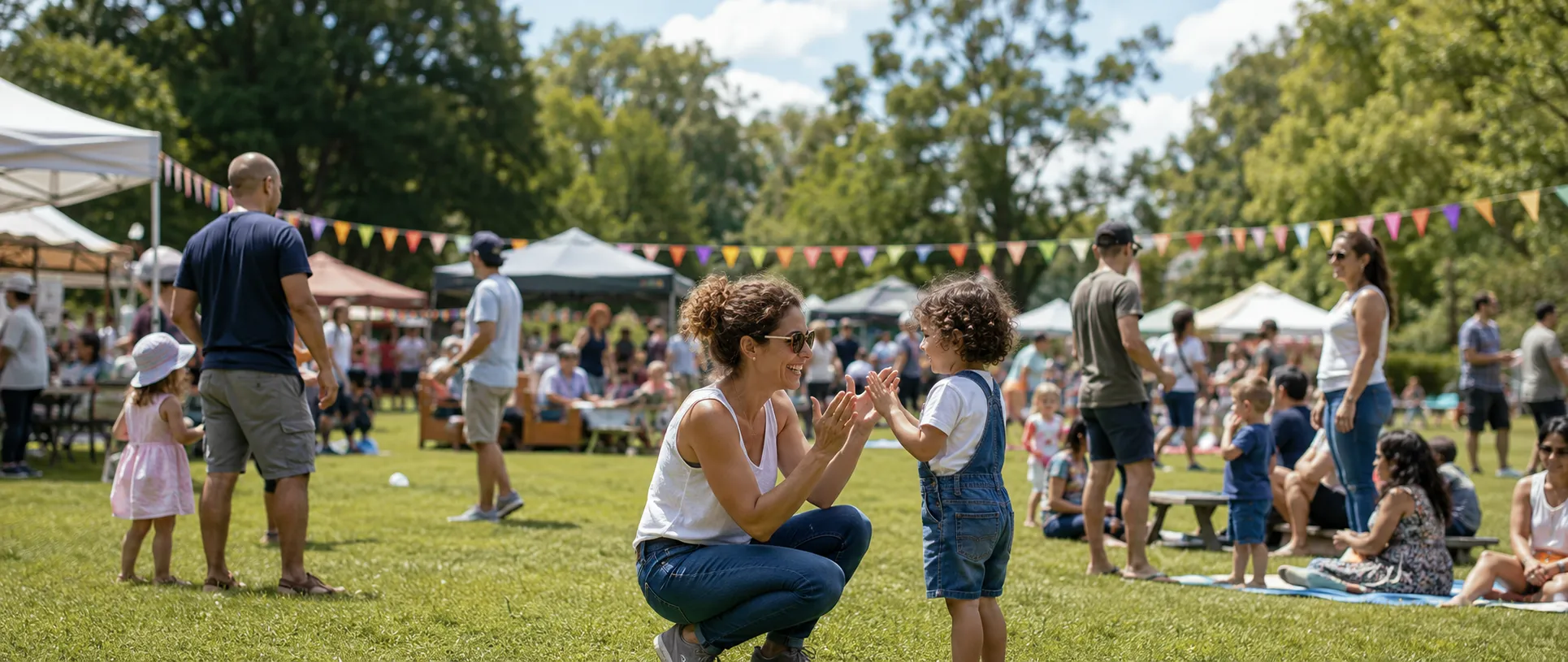
Charity market – A marketplace featuring businesses and makers who are women, with proceeds supporting a local women’s organisation. These work well in high-foot-traffic public spaces and can be combined with food and entertainment.
Art exhibition – An exhibition of works by female artists, curated around a theme connected to women’s experience. Partner with a local gallery or arts space and promote the artists independently, not just the event.
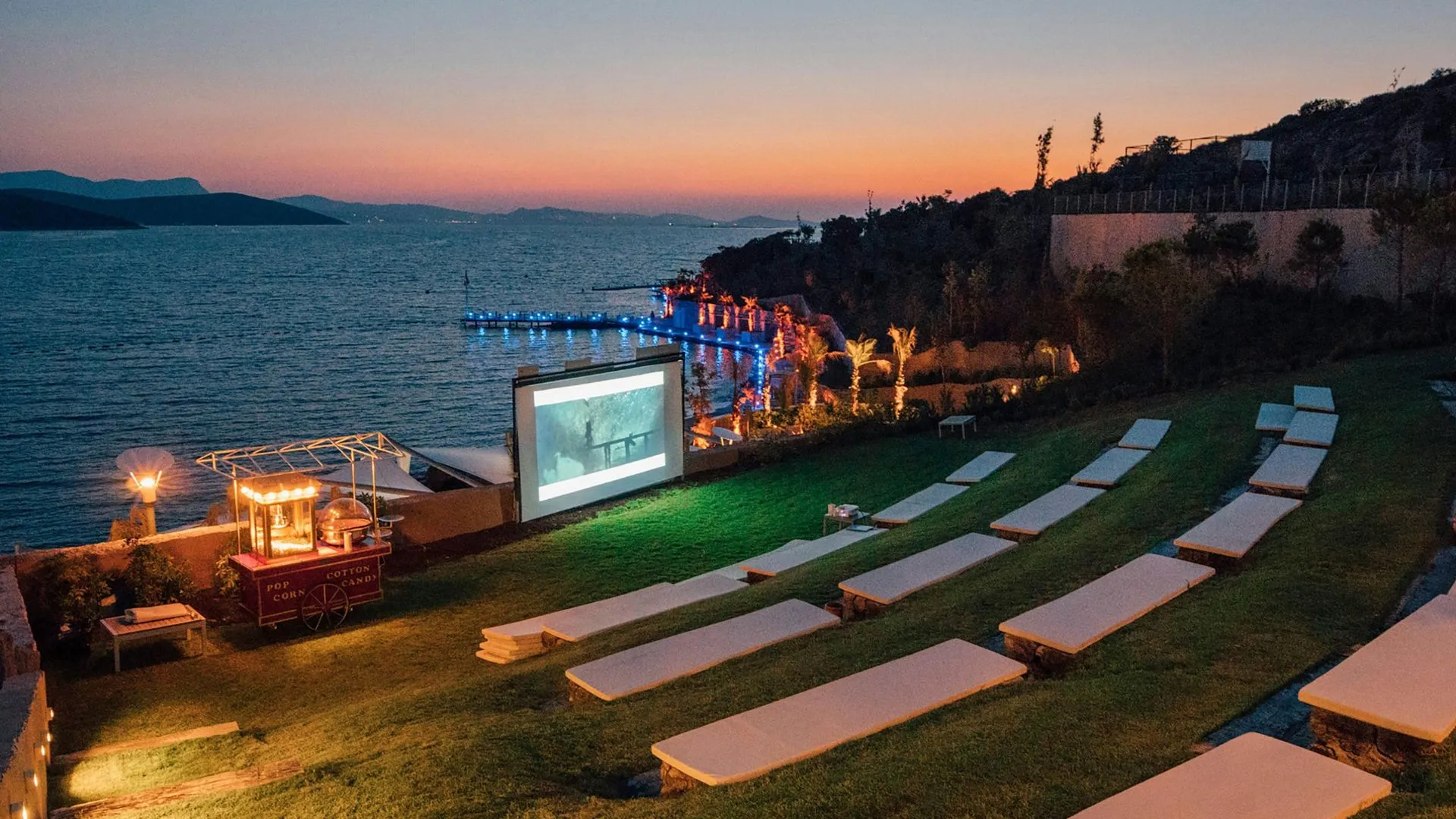
Film screening and discussion – Screen a documentary or feature film exploring a gender-related theme, followed by a facilitated discussion. This format works well for smaller community groups and is straightforward to organise.
Community walk or run – A fundraising walk, run, or ride in support of a women’s rights or health organisation. Low barrier to entry, family-friendly, and easy to promote through local networks.
How do I get the details right for an IWD event?
Start with purpose. Before you choose a venue or confirm a speaker, be clear about what you want to achieve. Is this about internal culture change? Celebrating your community? Fundraising? The purpose shapes every other decision.
Pay speakers. Women invited to share their expertise at IWD events are frequently asked to do so for free or for “exposure.” If your event has a budget, pay speakers. If it doesn’t, be honest about that when you make the approach – not every speaker will decline, but they deserve to know.

Think about who’s in the room. An IWD event for women in your organisation is a different event from one designed to bring in a broader public audience. Be specific about who you’re inviting and why.
Don’t make it a one-off. The most common critique of IWD events is that they’re a single day of visibility that changes nothing. Use the day as a catalyst – to launch a mentoring programme, announce a commitment, or kick off a longer initiative. Give people a reason to stay engaged after 8 March.

How can TryBooking help with my IWD event?
TryBooking is used by workplaces, schools, community groups and charities to run IWD events of all sizes. If you’re charging for tickets or simply managing registrations, you can set up your event in minutes. For fundraising events, you can add a donation option to your booking flow, so attendees can give a little extra alongside their ticket. Free events are genuinely free – no fees passed to attendees.
Frequently asked questions
What is the IWD theme for 2026?
The International Women’s Day campaign announces a new theme each year, typically in late January. The UN also publishes its own theme. Check internationalwomensday.com for the latest campaign theme. You don’t need to follow the official theme – many organisations choose a focus that reflects their own community’s priorities, which often produces a more authentic event.
Should I pay speakers at an IWD event?
Yes, if your event has a budget. Women invited to share their expertise at IWD events are frequently asked to do so for free or for “exposure.” If you can afford to pay speakers, do so – it sets a professional standard and respects the value of their time and knowledge. If your budget is genuinely zero, be upfront about that when approaching potential speakers so they can make an informed decision.
How do I make an IWD event more than a one-off gesture?
Use the event as a launchpad rather than a standalone occasion. Announce a mentoring programme, commit to a specific policy change, or launch a longer initiative that extends beyond 8 March. Follow up with attendees afterwards – share resources, connect people who met at the event, and communicate what actions your organisation is taking as a result. Events that lead to something concrete are remembered far longer than those that don’t.
What IWD event ideas work for small teams or low budgets?
A lunch-and-learn session with a guest speaker (45 minutes over lunch) costs little more than the catering. Speed mentoring sessions need only a room and willing participants. A book club reading programme in the weeks before IWD costs nothing but coordination. For schools, a student-led exhibition researching inspiring women is engaging, educational, and essentially free to run. The format matters less than the sincerity and specificity of the recognition.