Raffle fundraiser guide
Raffles are one of the most popular fundraising tools for British community organisations – schools, sports clubs, scout and guide groups, charities, and more use them every year to raise money and engage their communities. Done well, a raffle is low-cost to run, easy to promote, and genuinely fun for participants.
This guide covers everything you need to know: the legal requirements under UK gambling law, how to plan and run your raffle, and how to sell tickets both online and in person.
Do I need a licence to run a raffle in the UK?
Raffles are a form of lottery under British gambling law, regulated nationally by the Gambling Commission. Only non-commercial organisations – charities, not-for-profits, clubs, and other societies not established for private gain – can legally run one, using one of the exemptions below. For-profit businesses cannot run a public raffle.
Which category applies depends mainly on how, and for how long, you sell your tickets. These are general rules – always check current requirements with your local licensing authority or the Gambling Commission before you start.
Incidental non-commercial lotteries
This is the simplest route, and it’s the one that covers most one-off raffles held at a single event – a school fete, a club dinner, a comedy night. The rules:
- Tickets can only be sold at the event itself, while it’s taking place – you can’t sell them in advance or online beforehand
- The draw can happen at the event, or after it’s finished
- The raffle must be run wholly for a charity or other good cause, not for private or commercial gain
- No more than £100 of the proceeds can be deducted to cover the cost of running the lottery
- No more than £500 of the proceeds can be spent on prizes (though other prizes may be donated)
- Prizes can’t roll over from one raffle to the next
Because tickets can only be sold at the event itself, this exemption doesn’t fit raffles where you want to sell tickets online in the lead-up to the draw. For that, you’ll usually need to register as a small society lottery instead.
Small society lotteries
If you want to sell tickets over a longer period – including online, by phone, or door to door – this is the route most community organisations use. You register with the local authority where your organisation’s principal office is based, rather than applying to the Gambling Commission directly. Registration currently costs £40, with a £20 annual renewal fee.
Key limits:
- Total ticket sales for a single lottery must not exceed £20,000
- Total ticket sales across all your lotteries in a calendar year must not exceed £250,000
- At least 20% of the proceeds must go to your organisation’s charitable or good-cause purpose
- No single prize can be worth more than £25,000
You’ll also need to send a return to your local authority within three months of the draw, showing ticket sales, prize values, and how proceeds were used. If you expect to exceed either the £20,000 or £250,000 thresholds, you’ll need a full lottery operating licence from the Gambling Commission instead of registering as a small society.
Private society, customer, and work lotteries
Three narrower exemptions may suit specific situations:
- Private society lotteries – tickets are only sold to members of your society, or to people on premises used mainly for the society’s affairs. These can raise funds for the society itself, or for a charity or good cause.
- Customer lotteries – a business can run one for its own customers, but only face to face on its premises while they’re there (not online), never to under-16s, and each ticket must show the organiser’s details and state that it can’t be transferred.
- Work lotteries – run by an employer or employees, either for a charity or good cause, or on a no-profit basis where all proceeds go to prizes and running costs.
For most schools, clubs, and charities selling tickets to the general public online, the small society lottery route above is the one to plan around.
How do I plan and set up a raffle fundraiser?
Once you’ve confirmed which category your raffle falls under, the practical planning is straightforward.
Choose prizes that motivate ticket sales
A raffle lives or dies on its prizes. The first prize should be genuinely desirable – vouchers for local businesses, experiences (restaurant dinners, spa days, event tickets), electronics, or sporting goods all work well. Ask local businesses to donate prizes in exchange for a mention on your event page and promotional materials; many are happy to support community organisations.
Keep prize values in line with your ticket price. If tickets are £2 each, your first prize should be worth at least £50–£100 to feel worthwhile.
Set your ticket price and sales target
Work backwards from your fundraising goal. If you need to raise £1,500 and your prizes and costs total £400, you need to generate £1,900 in ticket sales. At £2 per ticket, that’s 950 tickets. Is that realistic for your organisation’s reach? If not, adjust your ticket price or scale your prizes.
Common approaches:
- Single tickets at a fixed price (e.g., £2 per ticket)
- Bundle pricing to encourage bulk purchases (e.g., 5 tickets for £8)
- Separate ticket books for committee members or volunteers to sell within their networks
Set a clear draw date
Give yourself enough lead time to sell tickets without momentum dropping off. Four to six weeks is a practical window for most community raffles. Announce the draw date prominently on all promotional material and stick to it.
Keep your records tidy
Whichever category your raffle falls under, you’ll need to keep accurate records of ticket sales, draw outcomes, and prize distributions. If you’ve registered as a small society lottery, your local authority’s reporting conditions will set out exactly what to keep and when to submit it. Good records also make it easy to wind up the raffle cleanly and confirm winners promptly.
How do I sell raffle tickets online?
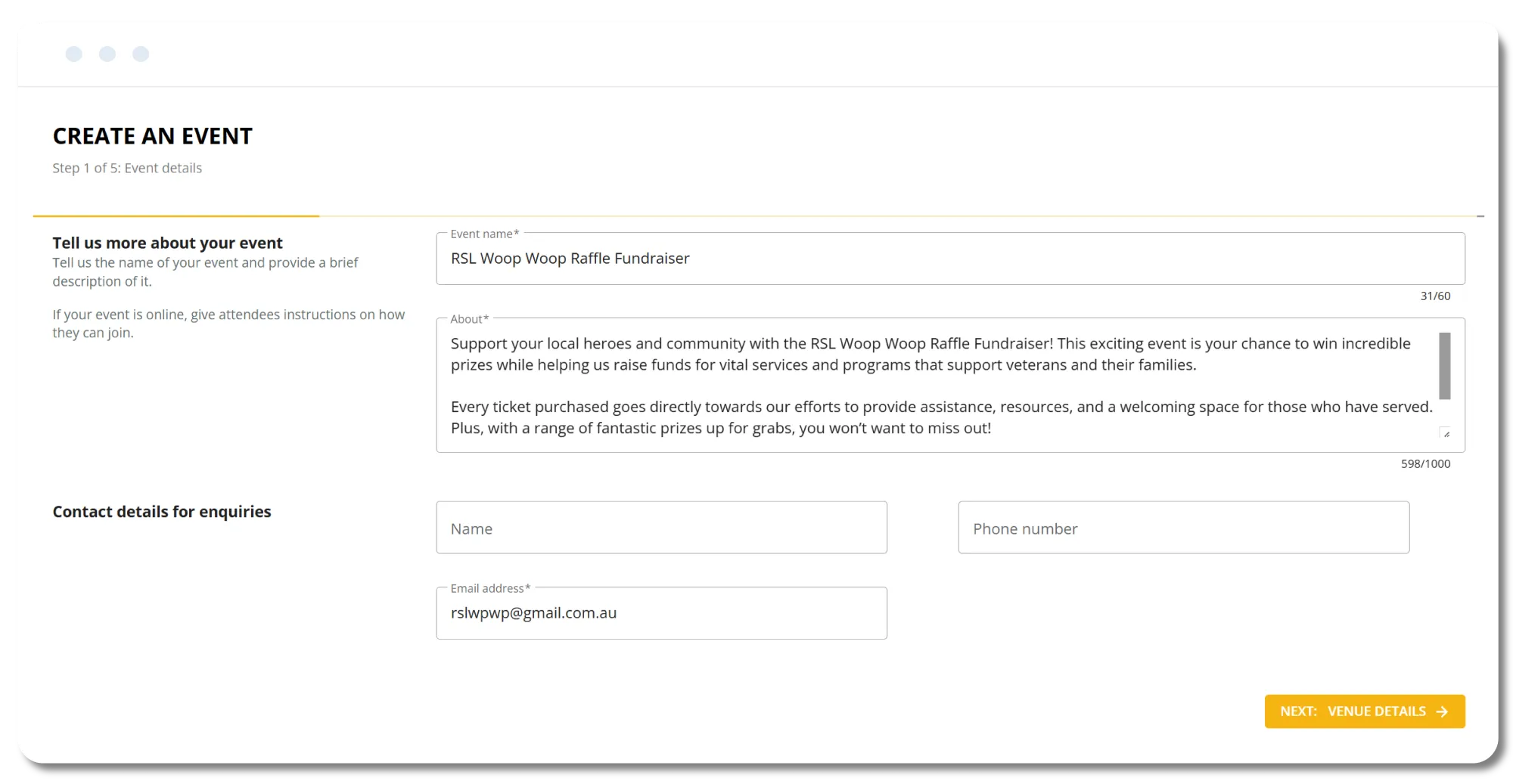
Online raffle sales dramatically expand your potential audience beyond your existing membership or community. Rather than relying solely on committee members selling door-to-door, you can promote a link and let supporters buy tickets from anywhere.
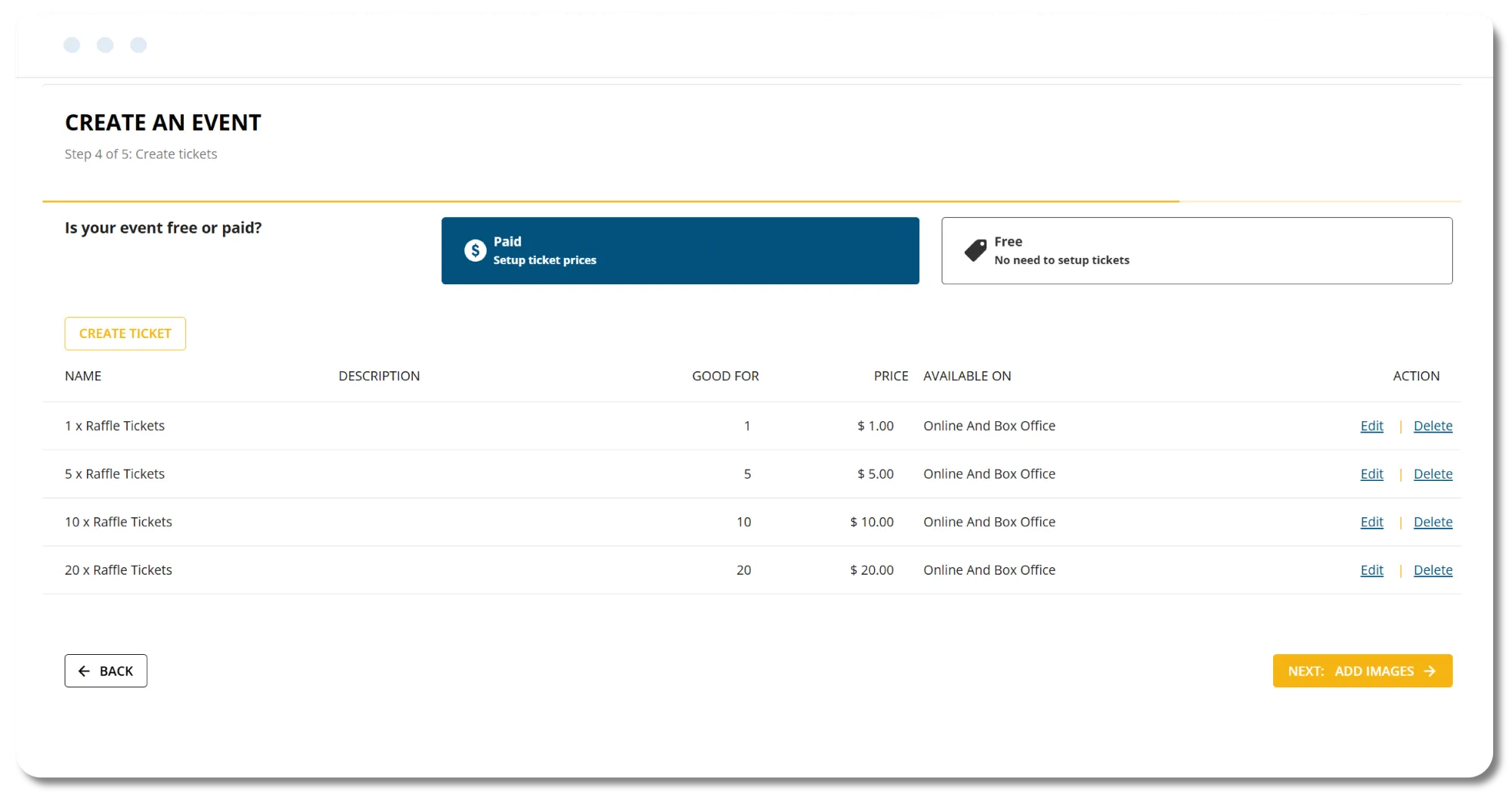
When selling raffle tickets online, each ticket must be individually numbered and issued at the time of purchase. Your event page should clearly state:
- The draw date and location
- All prizes and their values
- How winners will be notified
- The organisation running the raffle and how proceeds will be used
TryBooking lets you set up an event where supporters can purchase raffle tickets directly. You can create separate ticket types for different bundle sizes, add a description of the prizes, and use the reporting tools to track sales in real time as your draw date approaches.
How do I sell raffle tickets in person?
In-person sales are still a staple for community raffles – at club events, school fetes, markets, and match days. The challenge is handling cash and card payments quickly without a dedicated terminal.
The TryBooking Box Office app turns any compatible iOS or Android device into a payment terminal. Your volunteers can accept contactless card payments, mobile wallet taps (Apple Pay, Google Pay), and cash – all tracked against your TryBooking event. No separate card machine required, and all sales are automatically reconciled in your reports.
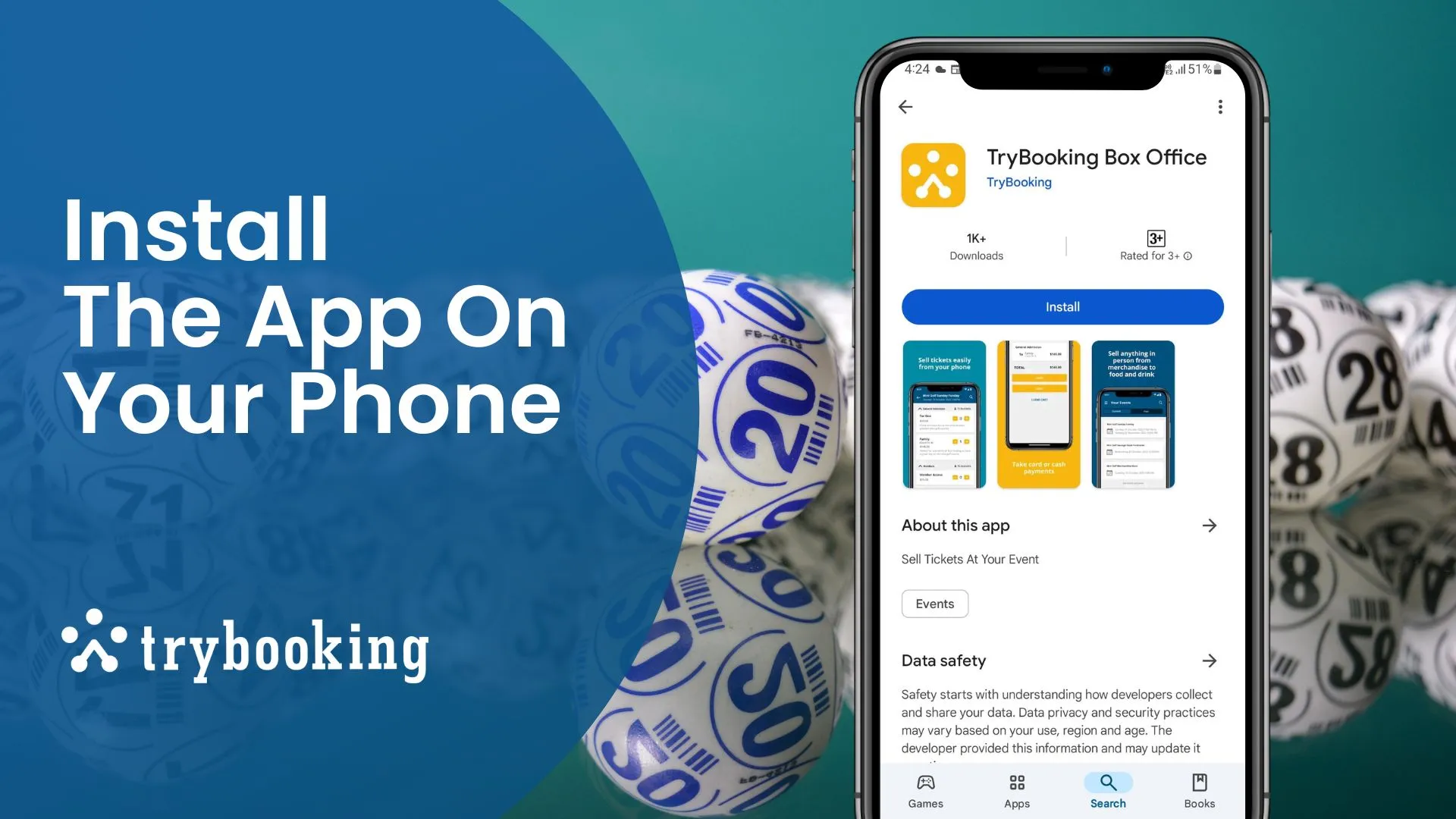
To set up in-person sales:
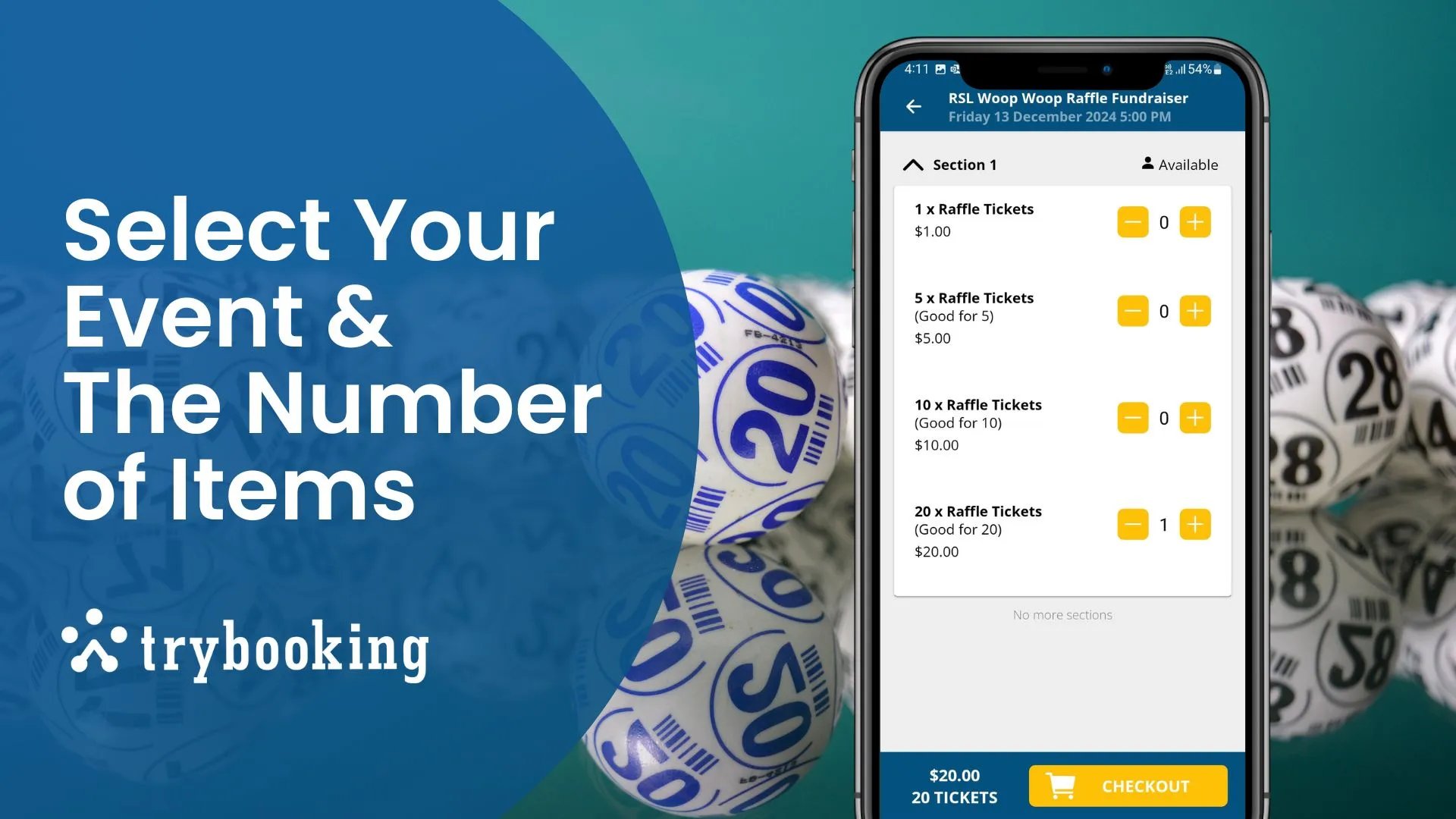
- Create your raffle event on TryBooking with ticket types for each price tier
- Download the Box Office app on the devices your volunteers will use
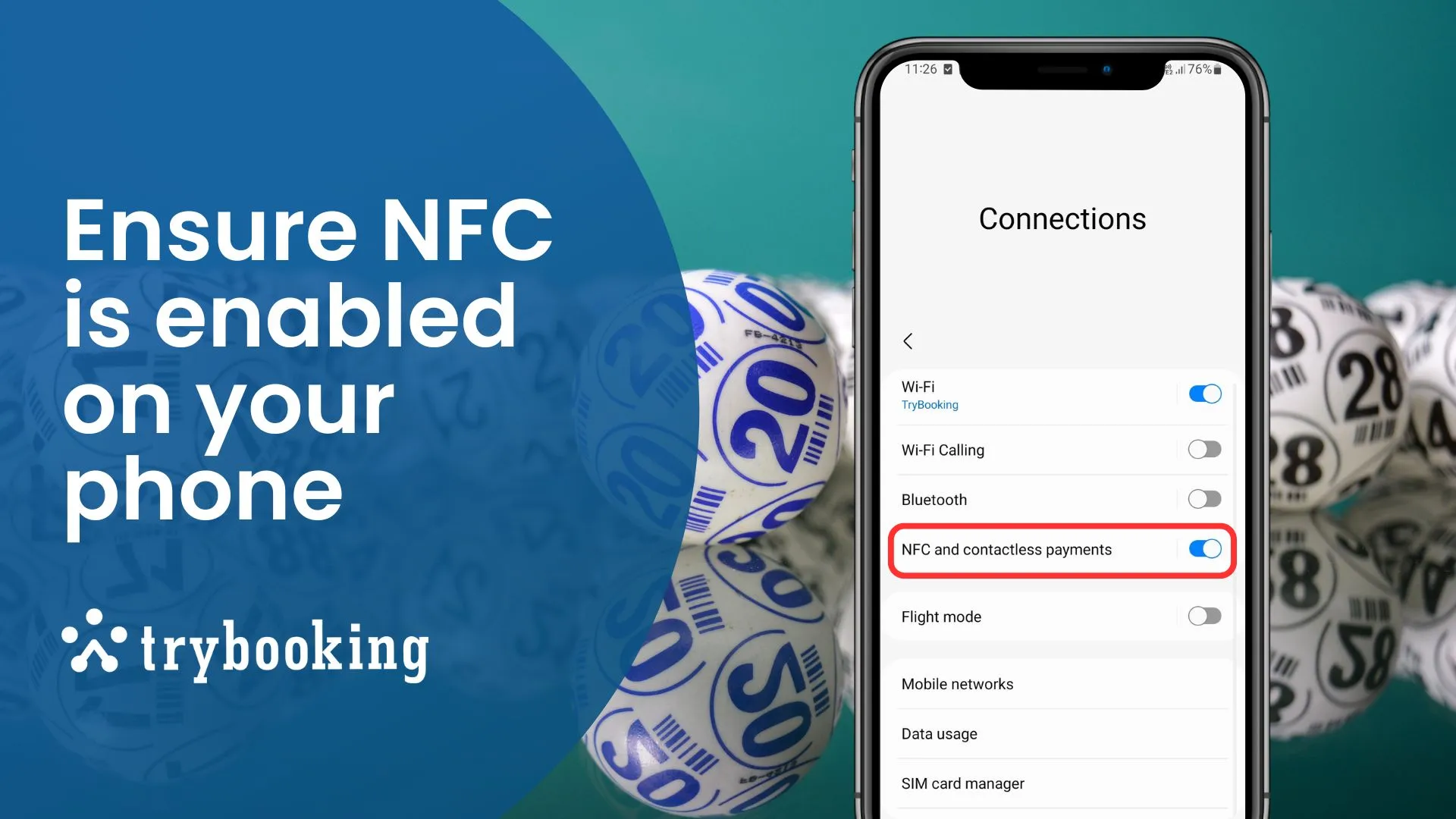
- Enable NFC on each device (required for tap-to-pay)
- Log in and select your raffle event at the start of each selling session
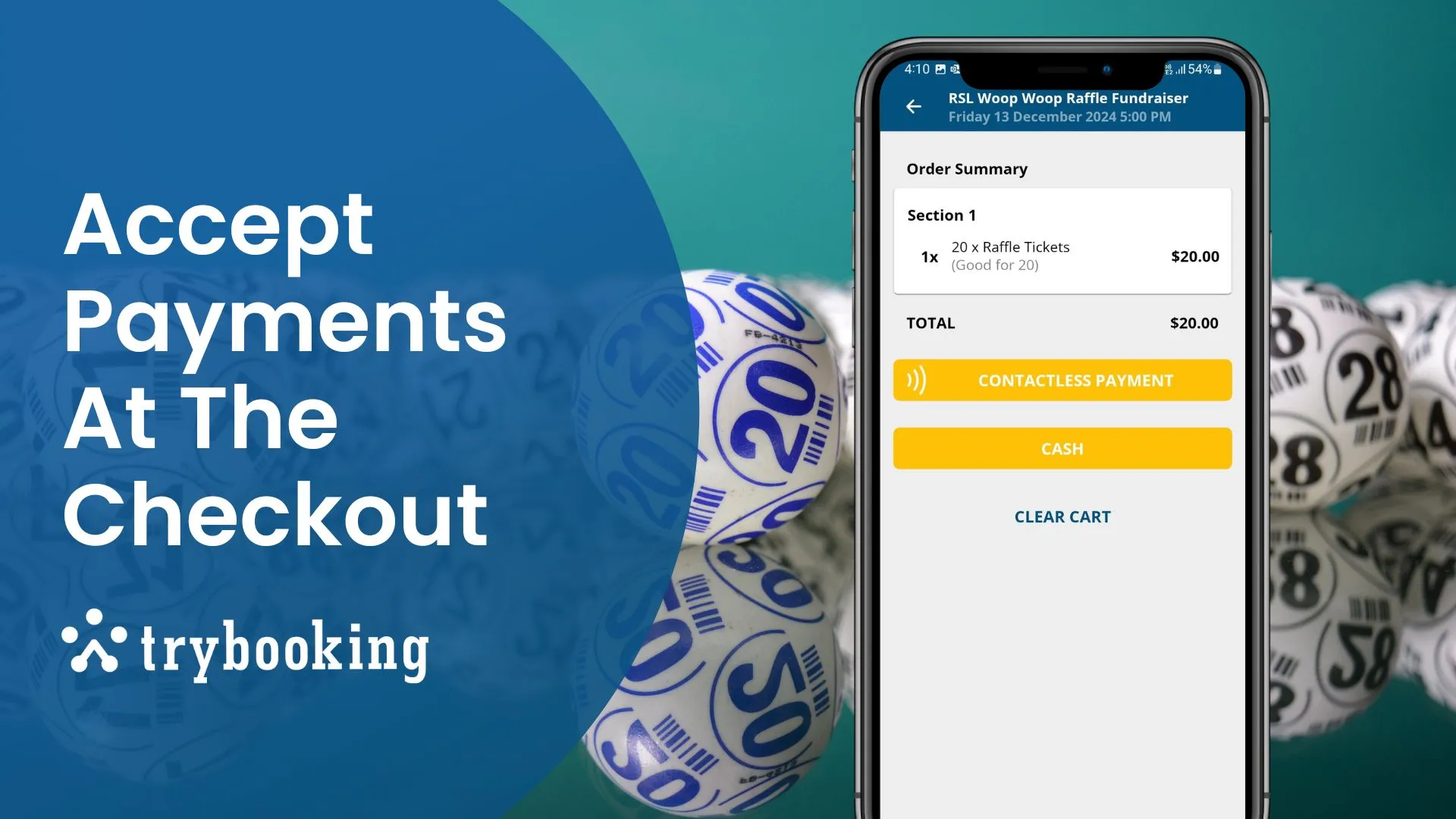
Payments are processed directly through your TryBooking account, and you’ll have a real-time view of total sales across both online and in-person channels.
How do I run the raffle draw?
The draw itself should be public, transparent, and random. If your registration conditions specify requirements for the draw (many do), follow those exactly.
Practical tips:
- Hold the draw at a public event where possible, or livestream it if your community is primarily online
- Use a random number generator or physical draw (barrel, bowl) – whatever your conditions require
- Announce results promptly and contact winners directly
- Publish winners on your website or social media within any timeframes your registration specifies
What do I need to do after the raffle?

Use TryBooking’s reports to review total ticket sales, revenue, and payment method breakdowns. This data is useful for planning your next raffle – you’ll know which ticket price points sold best, whether online or in-person sales dominated, and whether your sales target matched reality.
If you registered as a small society lottery, check your reporting obligations to your local authority – you’ll typically need to submit a return within three months of the draw.
Running a raffle is one of the most effective low-cost fundraisers available to community organisations. With the right preparation, clear prize incentives, and a simple way for supporters to buy tickets, it’s a format that consistently delivers.