Volunteers’ Week event ideas
This guide covers 8+ Volunteers’ Week event ideas – from award ceremonies and social nights to morning teas, personalised recognition, and recruitment open days. Each idea includes practical tips for making your volunteers feel genuinely valued.
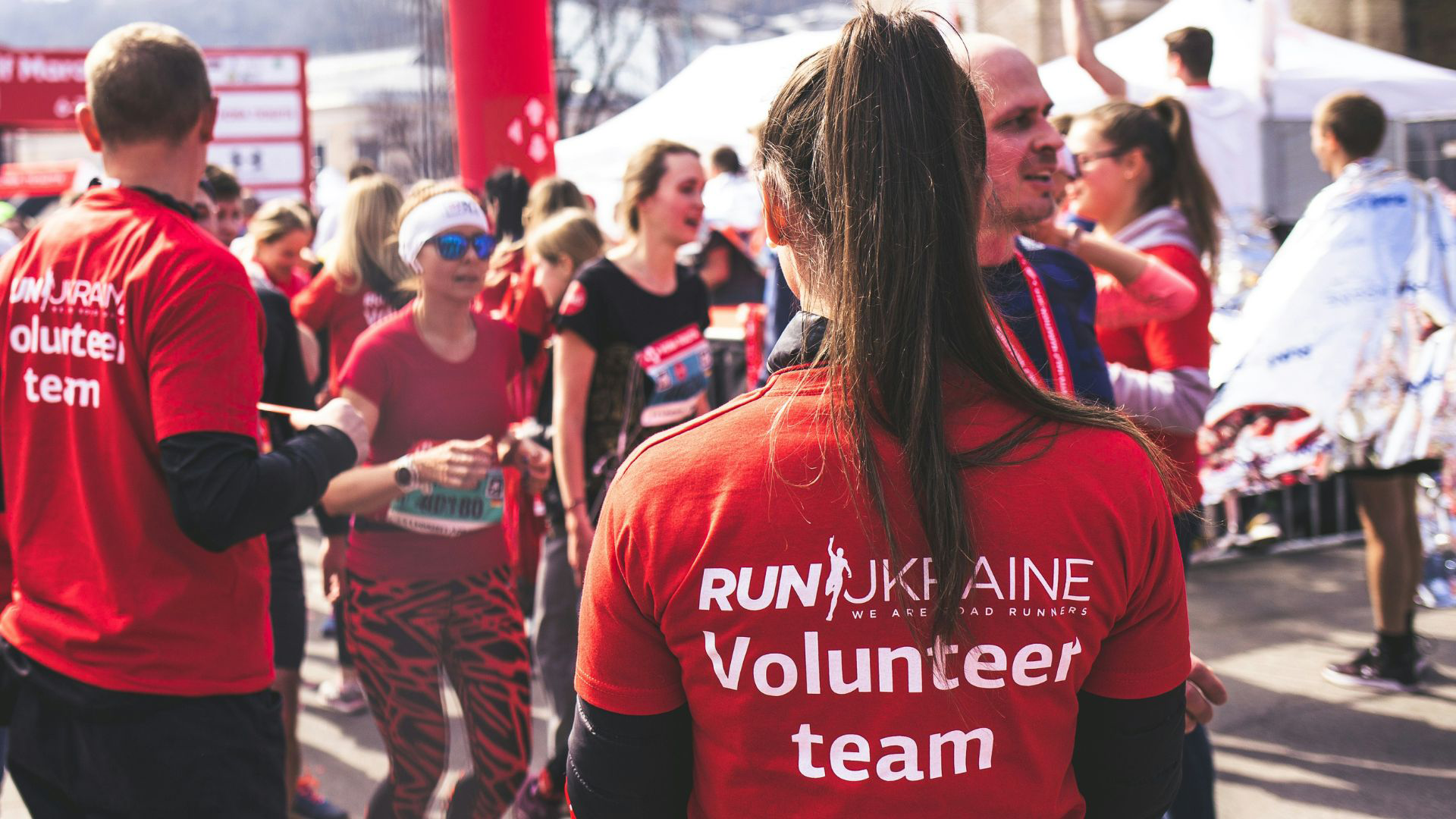
Volunteers’ Week runs each year from 1 to 7 June and is the UK’s annual celebration of volunteering, coordinated by NCVO. It’s a week to pause, say thank you, and make that thanks feel real – not a generic card, but something that shows your volunteers they’re genuinely seen. This guide covers event ideas at different scales, what makes volunteer recognition land, and some practical tips for getting it right.
Why does volunteer recognition matter?
Millions of people across the UK give their time as volunteers. Across sporting clubs, charities, community organisations, schools, hospitals and emergency services, they contribute time, skills and care that would cost billions of pounds to replace.
What motivates volunteers to keep giving their time is rarely money – it’s connection, purpose, and feeling that their contribution matters. Events and gestures of recognition during Volunteers’ Week work best when they’re specific and personal, not formulaic. A volunteer who’s quietly managed the canteen rota for three years responds to hearing that named far more than they respond to a generic “thank you to all our wonderful volunteers” announcement.
What are the best Volunteers’ Week event ideas?

Volunteer evening or social night
A dedicated night out for your volunteers – something relaxed, fun and focused entirely on them – is consistently one of the most valued forms of recognition. It doesn’t need to be expensive. A venue, a meal, some activities, and a programme that includes genuine acknowledgement of individual contributions goes a long way.
What works well:
- Team-building activities or group games that mix volunteers who don’t usually work together
- A casual “highlights reel” of the year – photos, moments, achievements – that reminds people of what the group has accomplished together
- Time built in for people to actually talk, not just sit through a programme
- A moment where each volunteer is specifically acknowledged – a word from a leader about what they’ve contributed
If you’re running a social night for a large volunteer base, use your booking form to collect preferences in advance – which activities, any dietary requirements, whether they’re bringing a guest.

Award ceremony
A formal award ceremony is the right format when your organisation has a story to tell and achievements worth recognising in front of a broader audience. This could be a standalone Volunteers’ Week event, or a Volunteers’ Week segment within an existing annual gathering.
Award categories to consider:
- Longest-serving volunteer
- New volunteer of the year
- Outstanding contribution (by project, area or role)
- Leadership or mentoring
- Behind-the-scenes contribution – the person whose work is invisible but would be noticed immediately if it stopped
The ceremony works best when award citations are specific. “Sarah has managed our Thursday morning sessions for four years, trained twelve new volunteers, and never missed a shift” is more meaningful than “Sarah is an incredible volunteer who always goes above and beyond.”
Keep the programme moving – an awards night that drags loses the impact of each individual recognition. Aim for a total run time of 90 minutes to two hours, with dinner or drinks worked in around the programme.
Drinks and dinner
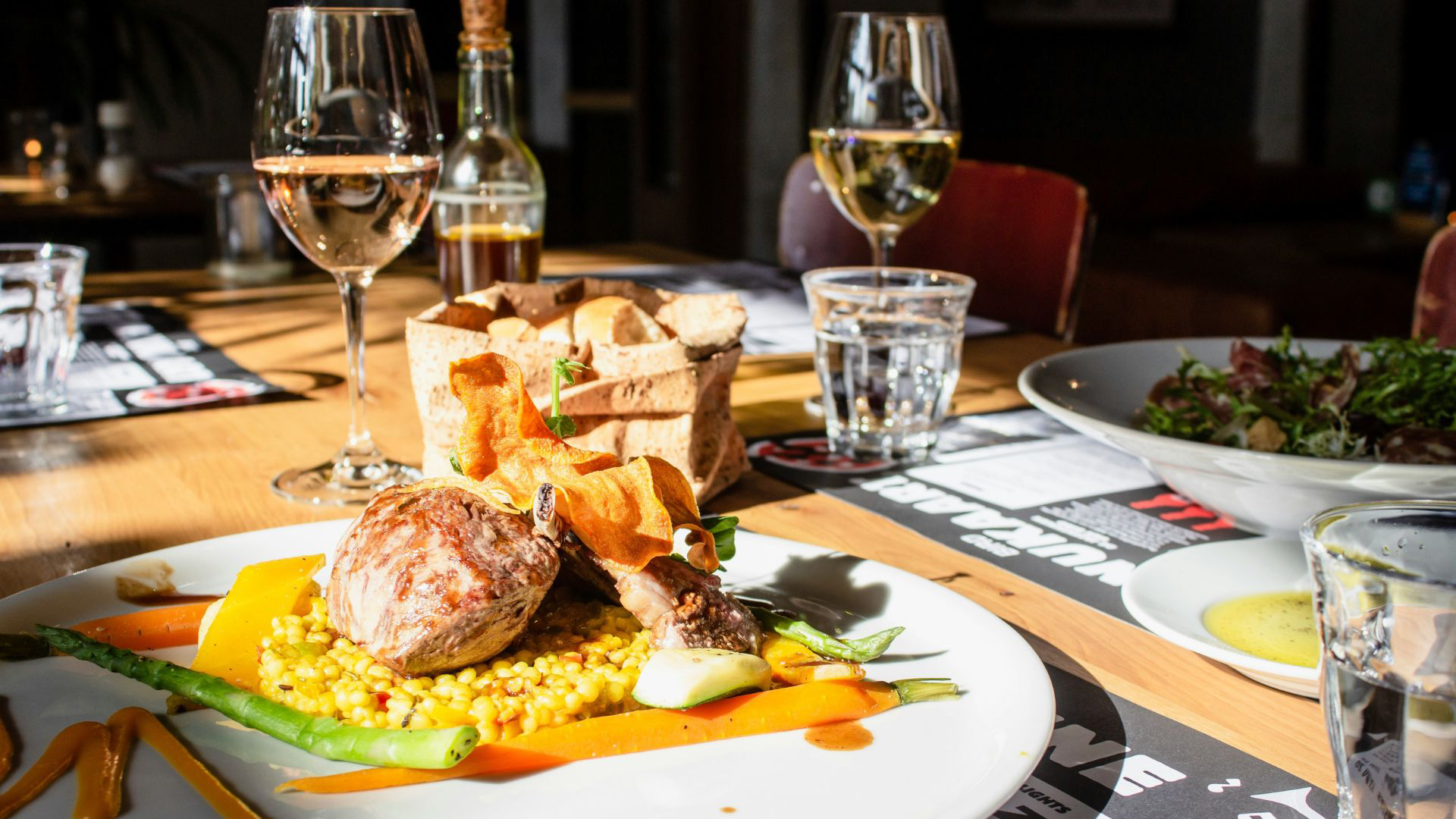
A more informal version of the award night – a dinner without a formal ceremony, focused on bringing people together in a relaxed environment. This format suits organisations where the volunteer community already knows each other well and values time to reconnect.
A pre-dinner drinks period where organisational leaders move around and speak individually to volunteers can be more valuable than any formal speech. The message that “the leadership team came to us” carries weight.
Morning tea or lunch
Not every organisation has the budget or volunteer numbers for a sit-down dinner. A morning tea or working lunch is a genuine and practical alternative. Catered well, held at a time that works for your volunteers, and with a few minutes of sincere acknowledgement from leadership, it achieves the core purpose: making people feel seen.
This format works particularly well for organisations with volunteers spread across different programmes or times – you can run multiple small morning teas for different groups rather than one large event that’s hard for some people to attend.

Personal recognition
Some of the most effective Volunteers’ Week recognition costs nothing but time.
Personalised letters – a handwritten or personally signed letter to each volunteer, naming specifically what they’ve done and what it’s meant – carry more weight than a team email. The personal detail is what makes it land. A letter that says “you helped us deliver 47 meals in July alone, and we know that mattered to the people who received them” is a different thing entirely from “thank you for all your hard work.”
Certificates of appreciation – presented in person, or posted if your volunteers are remote – give people something to keep. The combination of a personal letter and a certificate works well.
A social media post naming specific volunteers – with their permission – is a form of public recognition that many volunteers appreciate. It also demonstrates to your community what your organisation values.

Volunteer recruitment and profile events
Volunteers’ Week is also a natural time to raise the profile of volunteering – not just to thank existing volunteers, but to invite new ones. An open day, a community information session, or a “come and see what we do” event can double as a recognition event for current volunteers (who often take pride in showing others what they’ve built) while bringing in the next cohort.
What makes volunteer recognition work?
Be specific. Generic thank-yous are better than silence, but specific acknowledgement is what people actually remember. Before your event, take the time to gather information about individual contributions so you can name them.
Match the scale to your community. A small club with twenty volunteers doesn’t need a gala dinner – a well-considered morning tea with a personal touch will land better. A large charity with hundreds of volunteers spread across multiple programmes needs a more structured approach.
Involve volunteers in the planning. Asking volunteers what would make them feel appreciated – and then acting on the answer – is itself a form of recognition. People notice when their input shapes a decision.
Don’t limit recognition to the week. Volunteers’ Week is a catalyst, not a container. The habits you build around recognising contribution – a thank-you when a project wraps up, a mention in your newsletter, a check-in with a long-serving volunteer – matter more over time than a single annual event.
How can TryBooking help with my Volunteers’ Week event?
If you’re running a ticketed dinner, an awards night, or a social event that needs registrations, TryBooking lets you set up your event and manage bookings in minutes. You can use the custom forms feature to collect dietary requirements, meal preferences, or any other information you need before the event – useful for planning catering and activities. Free events are genuinely free on TryBooking, with no fees charged to attendees.