TryBooking vsEventbrite
Two platforms, different approaches. Here’s how they compare.
Eventbrite is a global event marketplace. TryBooking is a community event ticketing platform. Both sell tickets. The difference: who sees your attendee data, what your ticket buyers experience, and what you pay.
How they compare
| TryBooking | Eventbrite | |
|---|---|---|
| Standard fees | 5% + 20p, PayPal and VAT included. | Service fee typically around 6.95% + 59p per ticket. |
| Free events | Genuinely free. No fees. | Free for free events. |
| Buyer accounts | Not required. Guest checkout. | Required. Buyers create Eventbrite accounts. |
| Attendee data | Yours. We don’t market to your audience. | Eventbrite own the data and can market to your attendees. |
| Selling buyer data | Never. We don’t sell your ticket buyers’ data. | Buyer data may be sold or shared unless the buyer opts out. |
| Competing events | Never shown during checkout. | Marketplace shows similar events to buyers. |
| Support | UK-based team. Email, phone, live chat. | Live chat and priority email only available to Premium customers. |
| Platform type | Ticketing (your event, your audience). | Marketplace (discovery + ticketing). |
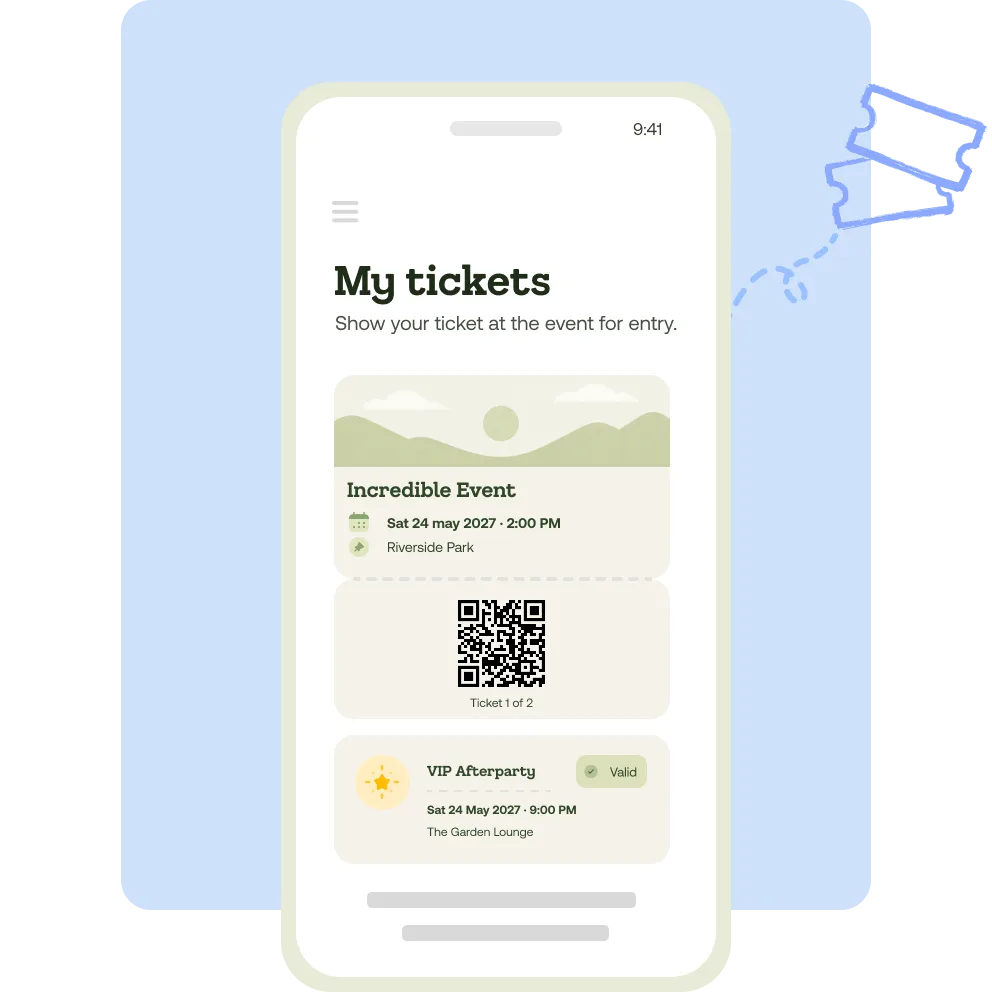
A better experience for buyers
See the real cost difference
100 tickets at £30 each:
| Platform | Ticket price | Sold | Processing Fee | Ticket Fees | Total Cost | Difference | Your Payout |
|---|---|---|---|---|---|---|---|
 | £30 | 100 | £150.00 | £20.00 | £170.00 | — | £2,830.00 |
| Eventbrite | £30 | 100 | £208.50 | £321.00 | £267.50 | +£97.50 | £2,723.50 |
Based on 100 tickets at £30 each. Eventbrite fees vary by package; figures shown are typical for a pay-as-you-go paid ticket – a service fee of around 6.95% + 59p per ticket. TryBooking UK: 5% + 20p per ticket, VAT included

Your attendees are yours
TryBooking doesn’t use your attendee data for marketing. We don’t email your buyers with recommendations. We don’t share their information with third parties. Your attendee list, your contact data, your relationship. This matters most for organisations that build ongoing relationships with their audiences – theatres with subscribers, schools with parent communities, clubs with members.

All features, always
No pricing tiers. Every organiser gets seating plans, box office app, scanning app, custom branding, reporting, integrations. All of it. Eventbrite’s feature access varies by plan. TryBooking’s approach: one platform, everything included.

Local support
UK-based team. Real people. Email, phone, live chat – before, during and after your event. This matters every day, especially on event day. When something needs attention, you want someone who knows UK events on hand.
Frequently asked questions
TryBooking is a ticketing platform – your event, your audience, your data. Eventbrite is a marketplace that combines ticketing with event discovery. If you already reach your audience through your own channels, TryBooking keeps things simpler and cheaper.
TryBooking charges 5% + 20p per paid ticket, including VAT and PayPal, with no monthly fees or tiers. Eventbrite’s fees vary by package and country – typically, for the UK, they charge 6.95% + 59p per ticket. For 100 tickets at £30, TryBooking costs £170 in fees versus roughly £267 on Eventbrite.
Eventbrite doesn’t charge fees for free events. TryBooking doesn’t charge for free events either, and every feature is included regardless of event type or ticket price.
Yes. Create your event on TryBooking, set up your ticket types and publish. There’s no migration tool – you create a new event and share the new link. Most organisers have their first TryBooking event live within minutes.
TryBooking is built for UK organisers with a UK-based support team available by phone, email and live chat, VAT-inclusive fees, and payouts to your UK bank account. Eventbrite is a global marketplace with limited support on most packages.
On TryBooking, no. Buyers select tickets, pay and receive confirmation – no account required. Eventbrite requires buyers to create an account, which adds a step to checkout and can lead to abandoned bookings.