ANZAC Day event ideas
ANZAC Day, observed on 25 April each year, is one of the most solemn and significant days in the New Zealand calendar – shared with Australia through the history of the Australian and New Zealand Army Corps. It’s a day of remembrance, not a day of celebration – and that distinction matters when planning any event. This guide covers how to organise commemorations, community gatherings, and fundraisers that honour the occasion with the care it deserves.
What is ANZAC Day?
ANZAC Day marks the anniversary of the landing of Australian and New Zealand Army Corps troops at Gallipoli on 25 April 1915. The eight-month campaign was marked by tremendous bravery and tremendous loss – more than 2,700 New Zealanders and 8,700 Australians were killed. It was one of the first major military actions fought by New Zealand and Australian forces as national armies, which is why the day carries such weight in both countries’ national identity.
Over time, ANZAC Day has expanded to honour all New Zealanders and Australians who have served and died in military operations – from the World Wars to Korea, Vietnam, Afghanistan, and beyond. The traditions of the dawn service, the march, and the wreath-laying ceremony remain central to how communities observe the day.
What tone should an ANZAC Day event set?
Before planning any ANZAC Day event, it’s worth being clear about its purpose. This is a day of solemn remembrance. Events should reflect that – even community gatherings and fundraisers should carry a sense of respect and reflection, not festivity.
Connecting with your local RSA (Returned and Services’ Association) branch or a veterans’ organisation is always a good first step. They can advise on appropriate protocols, help coordinate with marching veterans or invited speakers, and ensure your event aligns with the spirit of the day. In many communities, they’re already organising the core commemorations and may welcome additional support.
How do I organise a dawn service?
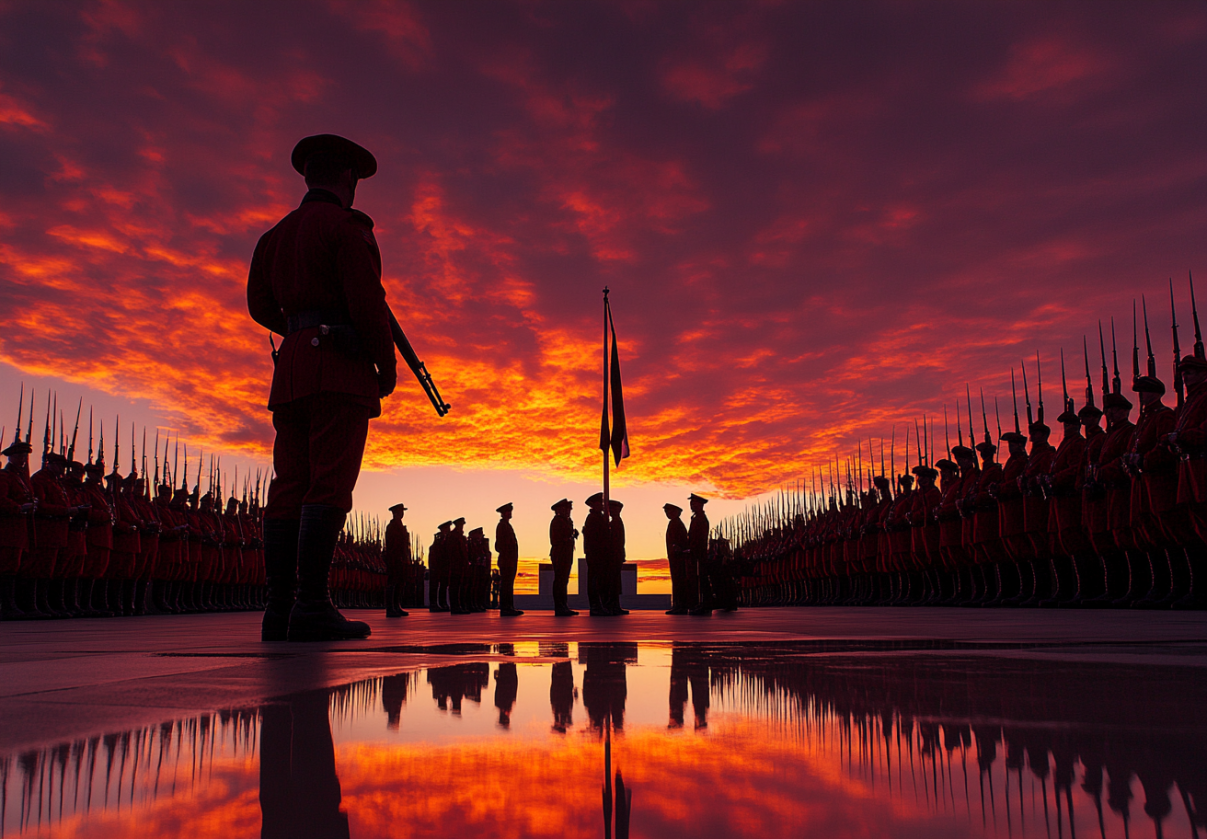
A dawn service is the centrepiece of ANZAC Day. Services begin before sunrise – reflecting the time of the original Gallipoli landing – and typically include the playing of “The Last Post”, a period of silence, “Rouse” or “Reveille”, and a reading of the Ode of Remembrance:
“They shall grow not old, as we that are left grow old; age shall not weary them, nor the years condemn. At the going down of the sun and in the morning, we will remember them.”
If you’re organising a dawn service for your community, coordinate with your local RSA or council first to avoid duplicating existing services. Secure a permit if the service is in a public space, arrange for a bugler or recorded “The Last Post”, invite a local veteran or dignitary to give a short address, and arrange wreath-laying at the conclusion. For larger services, TryBooking can help manage registrations so you have an accurate headcount.
What community commemorations work well on ANZAC Day?
Beyond the dawn service, there are a number of ways communities can mark ANZAC Day together.
Veterans’ march support – If your local RSA is organising a march, offer logistical support: marshalling, providing refreshments for veterans afterwards, or helping with transport. Supporting what’s already happening is often more valuable than creating something new.
Community breakfast – A post-dawn-service breakfast is a long-standing tradition. Keep the tone warm and unhurried – people have often been standing in the cold since before sunrise. Traditional fare works well: sausage rolls, ANZAC biscuits, tea and coffee. Partner with local businesses for catering.
Commemorative walk – A community walk between local memorials or significant sites, with brief readings at each stop. Works well in regional areas where multiple memorials exist across a town.
Storytelling and oral histories – A forum where veterans and their families share personal stories. These are among the most meaningful events a community can organise on ANZAC Day. Work with your local library or historical society to record and archive them.
What cultural and educational events suit ANZAC Day?
Film screenings – A screening of films or documentaries about the ANZAC experience – Gallipoli, Beneath Hill 60, ANZAC Girls – is a thoughtful way to mark the day, particularly for younger audiences. Pair it with a facilitated discussion featuring a local historian or veteran.
Poetry and readings – An evening of wartime poetry is quietly powerful. Wilfred Owen and Siegfried Sassoon wrote about war with an honesty and complexity that still resonates, and pairing their work with New Zealand and Australian writing on the ANZAC experience gives the evening a shared trans-Tasman perspective. Invite community members, local actors or school students to read aloud, and consider leaving space for original work.
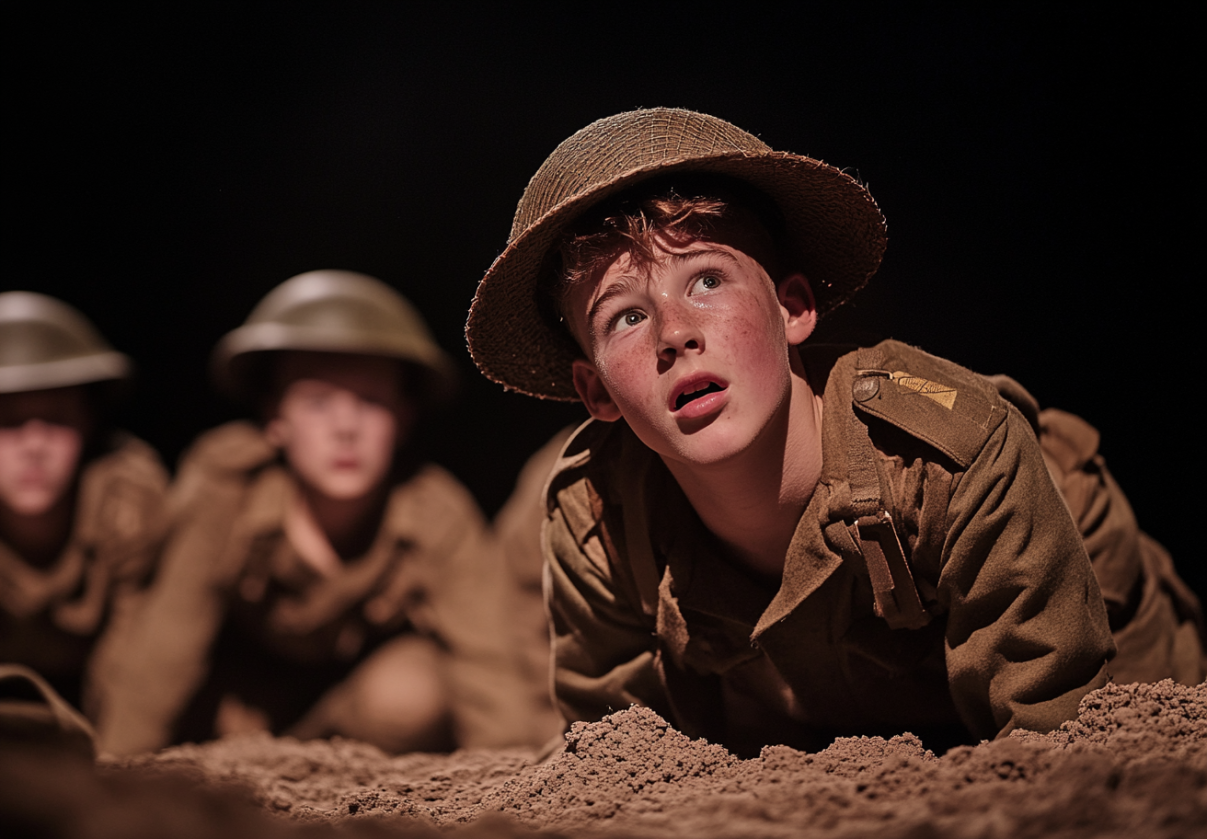
Theatre productions – Work with a local theatre group or school to stage a production based on wartime stories. Original works that draw on local history – letters from soldiers who grew up in your town, or stories specific to your community’s connections to particular campaigns – tend to resonate more deeply than generic treatments.
Historical exhibitions – Libraries, museums and community halls can host exhibitions of wartime photographs, letters, and objects. If your community has a local connection to ANZAC history, make that the focus. Interactive elements – where visitors can leave messages or responses – can make the exhibition more engaging without diminishing its gravity.
Trivia nights – An ANZAC history trivia night is a well-suited fundraiser for the evening before ANZAC Day (25 April itself is a public holiday, and trading is restricted before 1pm under the Anzac Day Act). Keep the tone respectful – this isn’t a party with ANZAC branding, but a genuine engagement with history. Donate proceeds to the RSA or another veterans’ welfare organisation.

What ANZAC Day activities work for families and schools?
ANZAC biscuit baking workshops – ANZAC biscuits have a genuine wartime origin: oats, golden syrup and coconut were shelf-stable ingredients sent to soldiers at the front. Running a baking workshop for families or school groups gives children a tangible connection to the history. Include the story behind the recipe.
Wreath-making workshops – Provide materials and guide families through making simple commemorative wreaths. Arrange for participants to place them at a local war memorial as part of the event – a small, meaningful act of remembrance that children can carry into adulthood.
Guided visits to memorials – Many local memorials contain names that families in the community recognise. A guided visit with background on who those individuals were and where they served makes the memorial more than a monument.

How can I fundraise for veterans on ANZAC Day?
ANZAC Day is the most natural time to fundraise for organisations that support veterans and their families. The RSA and other veterans’ welfare organisations run appeals around this time.
Options that work well: a donation button alongside any ticketed event, a raffle with proceeds to a named veterans’ charity, a bake sale at the post-service breakfast, or a gold-coin donation at the entrance to a film screening or exhibition. Name the recipient organisation clearly and tell people how the money will be used.
How can TryBooking help with my ANZAC Day event?
If you’re managing registrations for a dawn service, ticketing a film screening, or setting up donations for a veterans’ charity, TryBooking handles the logistics so you can focus on the event itself. You can enable donations as part of any event booking, making it easy to direct extra contributions to the RSA or another veterans’ organisation. Free events are genuinely free – no fees charged to attendees.
Frequently asked questions
Do I need permission from the RSA to run an ANZAC Day event?
You don’t need formal RSA permission, but coordinating with your local RSA branch is strongly recommended. They can advise on appropriate protocols, help avoid duplicating existing services, and may connect you with veteran speakers or march participants. If your event uses ANZAC imagery, be aware that the use of the word “Anzac” in connection with trade or commerce is protected under New Zealand law and generally requires ministerial approval.
What time does a dawn service start?
Dawn services traditionally begin before sunrise, typically between 5:30am and 6:00am depending on your location and the time of year. The service itself usually lasts 30-45 minutes. If you’re organising one, confirm the exact sunrise time for 25 April in your area and plan to begin 15-20 minutes before first light to align with the tradition of the pre-dawn Gallipoli landing.
Can I sell food or alcohol at an ANZAC Day event?
ANZAC Day trading restrictions apply nationwide under the Anzac Day Act, which generally keeps shops and licensed venues closed until 1pm on 25 April so the morning is kept free for commemoration. Some local exemptions and council bylaws can vary, so check with your district if you’re unsure. Unlicensed community events serving food are generally fine, but confirm with your council. Fundraising activities like bake sales and gold coin donations at post-service breakfasts are common and accepted, provided the tone remains respectful.
What are appropriate ANZAC Day activities for primary school students?
ANZAC biscuit baking is one of the most accessible activities for younger children because it connects directly to wartime history. Wreath-making workshops, guided visits to local memorials, and storytelling sessions about the meaning of ANZAC Day also work well. Focus on age-appropriate explanations of remembrance rather than graphic war content. Many RSA branches offer school visit programs with veterans or descendants who share personal family stories.