Chinese New Year event ideas
This guide covers 15+ event ideas for Chinese New Year celebrations – from community banquets and lion dance performances to dumpling-making workshops and lantern parades. Each idea includes practical planning notes for New Zealand event organisers.
Chinese New Year – also known as Lunar New Year or the Spring Festival – is one of the most widely celebrated festivals in the world, observed by Chinese communities and many other East and Southeast Asian communities across New Zealand and beyond. Auckland’s Lantern Festival is one of the country’s largest Lunar New Year celebrations, and Wellington, Christchurch and Hamilton also hold community events to mark the occasion. It’s a time of reunion, renewal, and deep cultural meaning, and events that centre those values land far more meaningfully than ones that treat the occasion as an aesthetic. This guide covers how to plan Chinese New Year events that feel genuine, community-connected, and worth attending.
What is Chinese New Year and when does it fall?
Chinese New Year marks the beginning of the lunisolar calendar year. The date shifts each year but typically falls between late January and mid-February. The festival spans fifteen days, culminating in the Lantern Festival on the first full moon of the new year.
Each year is associated with one of twelve zodiac animals in a repeating cycle – the Year of the Snake, the Year of the Horse, and so on. The zodiac animal for the coming year shapes much of the year’s symbolic language, from decorations to gifts to the stories told during celebrations.
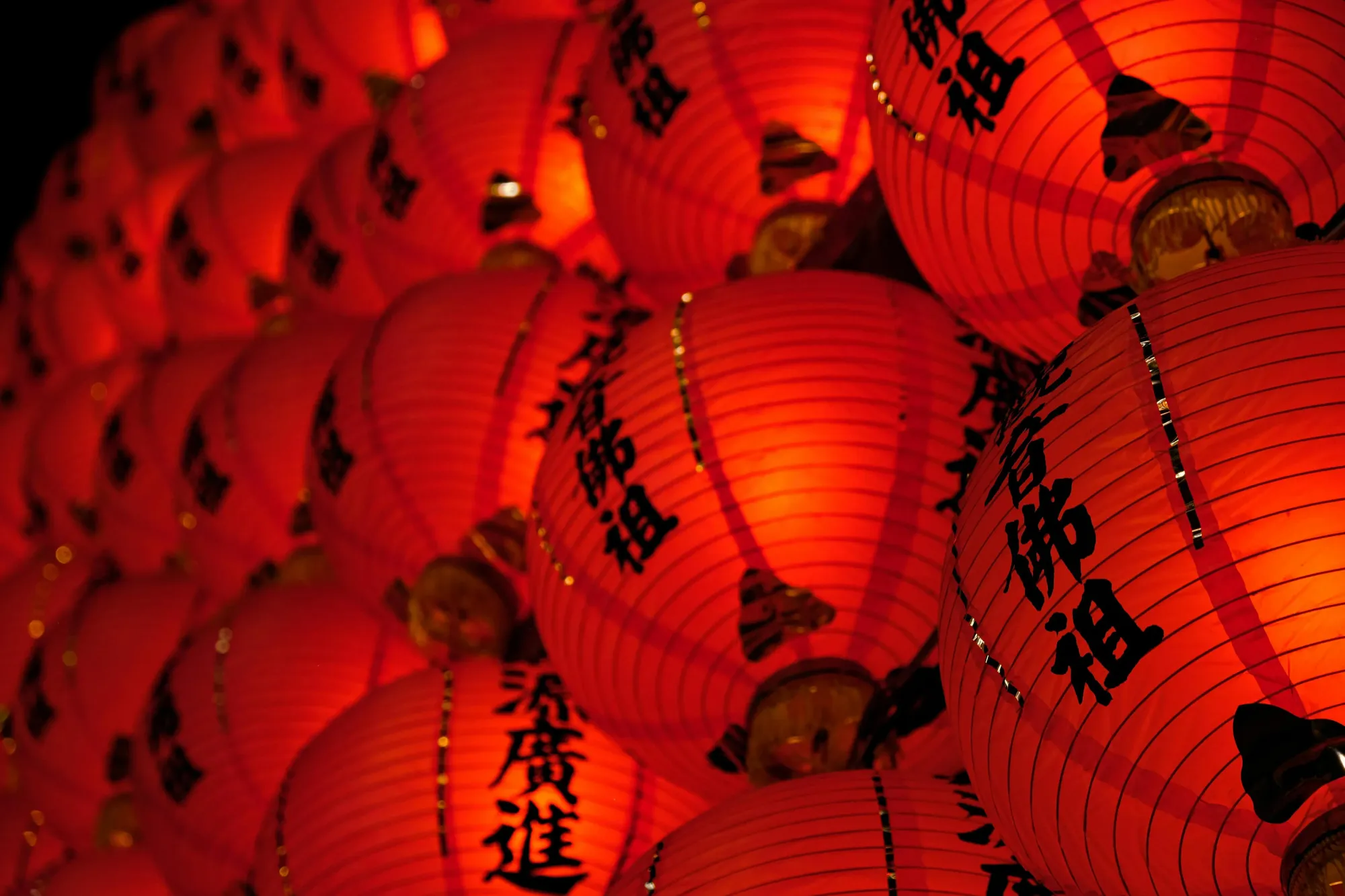
Central to Chinese New Year is the concept of chūnjié (春节), or Spring Festival – a time to sweep away the old, welcome good fortune, and gather with family. The colour red symbolises luck and prosperity; gold represents wealth; lanterns light the way for ancestors and ward off darkness. These aren’t just decorative choices – they carry meaning that’s worth communicating to attendees.
If you’re organising an event for a community that includes Chinese New Zealanders, involving community members in the planning from the outset is the most important step you can take. Community associations, cultural organisations, and local businesses are natural starting points.
What community events work well for Chinese New Year?
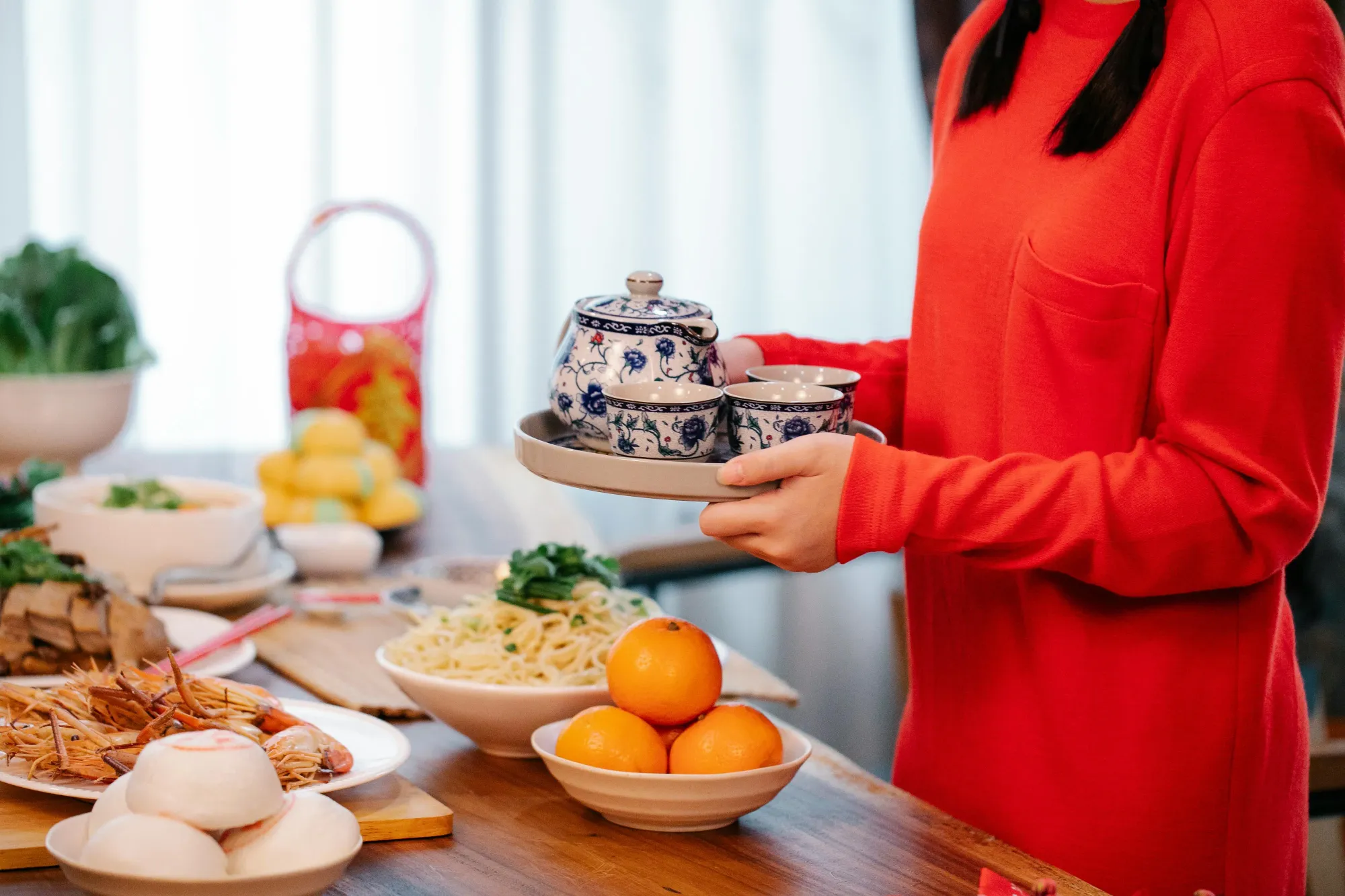
Community feast or banquet – A shared meal is at the heart of Chinese New Year. Work with local Chinese or broader Asian caterers to curate a menu with festive significance: whole fish (abundance), dumplings (wealth), noodles (longevity), spring rolls (prosperity), tang yuan sweet rice balls (family unity). Brief descriptions of what each dish represents make the meal more than food.
Night market or festival – A lantern-lit night market with food stalls, craft vendors, and performances is one of the most effective formats for large community events. Involve local Chinese and Asian-owned businesses as stallholders. A well-run night market can anchor a community’s annual Chinese New Year calendar.
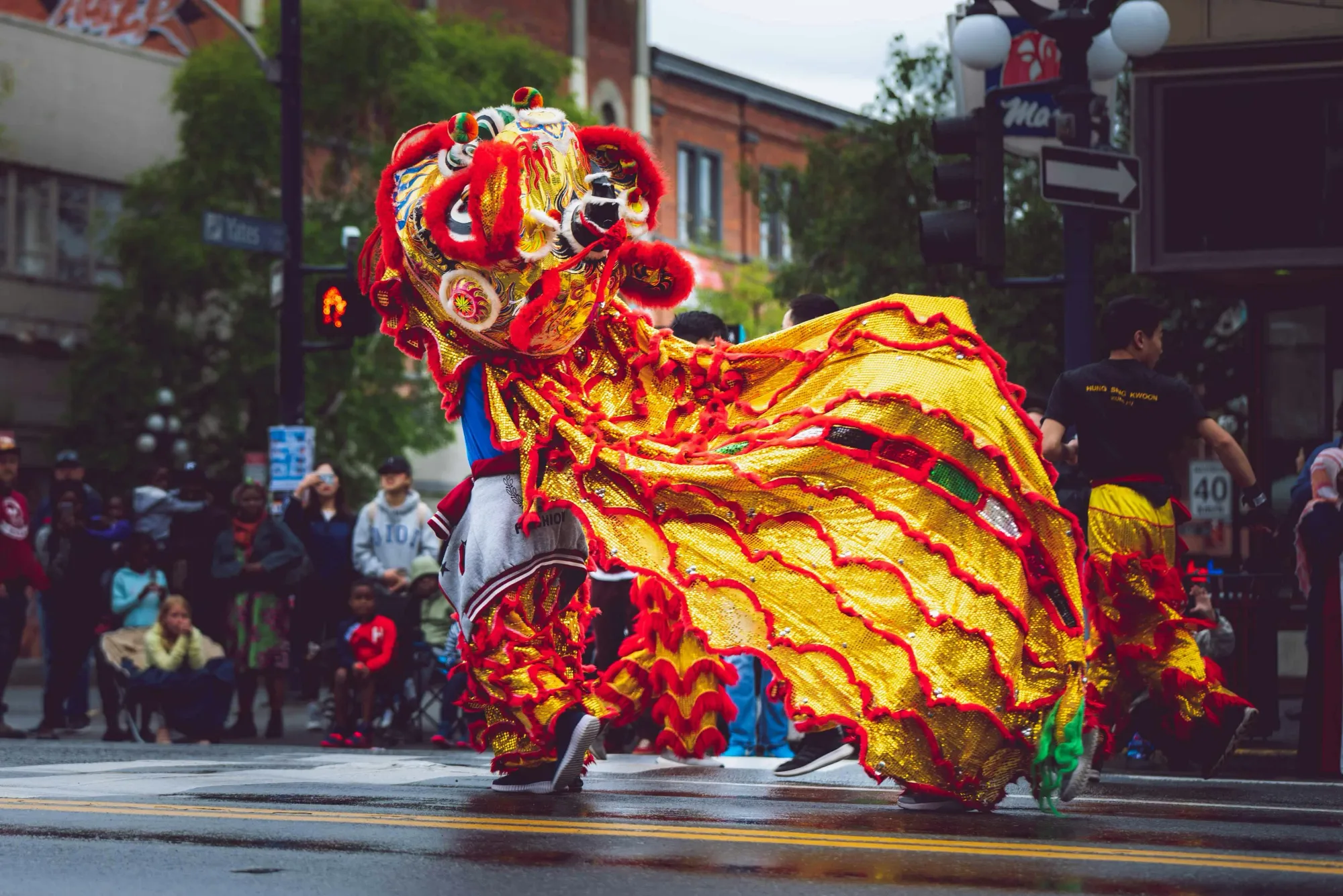
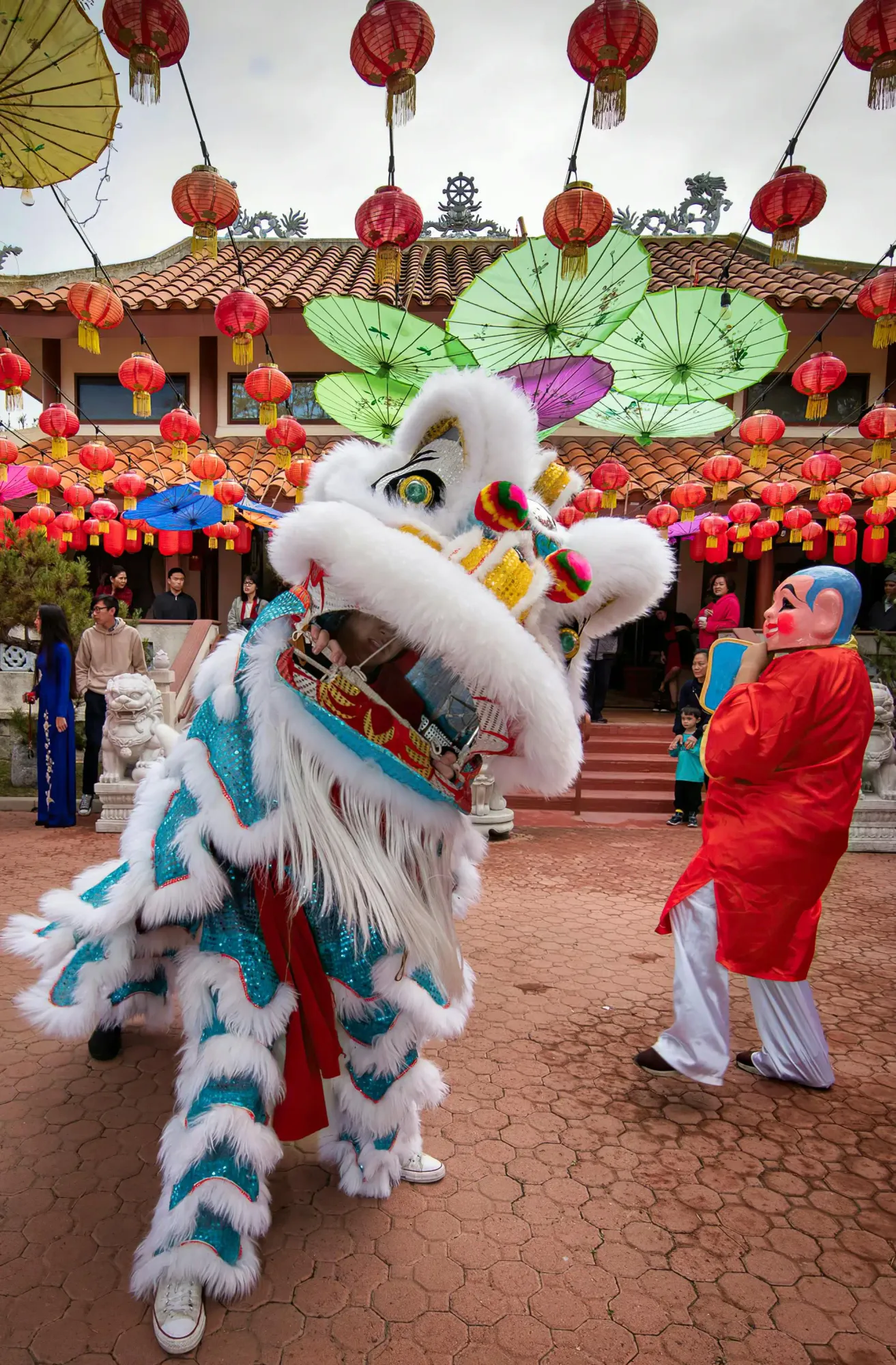
Dragon and lion dance – Lion and dragon dances are traditionally performed to bring good luck and welcome prosperity. Contact local Chinese cultural associations or martial arts clubs to find a troupe – skilled practitioners require lead time to arrange.
Charity component – Chinese New Year values include generosity and community care. Consider donating a portion of event proceeds to a local organisation that supports elderly Chinese community members, newcomers, or families in need. Name the recipient and the amount clearly – transparency builds trust.
What cultural programming should I include?
Calligraphy workshops – A workshop run by a skilled calligrapher gives participants a direct encounter with the craft. Common auspicious characters written during New Year include 福 (fú, fortune), 春 (chūn, spring), and 寿 (shòu, longevity). Participants take home their work as a genuine keepsake.
Traditional music performances – Erhu, guzheng, pipa and dizi performances add cultural depth and give audiences an encounter with living musical traditions they may never have heard before.
Storytelling and folklore – Chinese New Year is rich in legend. The story of Nian – the mythical beast that terrorised villages until people discovered it feared loud noises and the colour red – explains many of the festival’s most recognisable elements. Storytelling sessions work well for mixed-age audiences, especially when delivered by someone with personal cultural connection to the stories.
Cultural exhibition – An exhibition of traditional art, textiles, ceramics or calligraphy – ideally drawn from local artists and community collections – gives people the opportunity to look closely at objects and understand their context. Live demonstrations of silk embroidery, paper cutting (jiǎnzhǐ) or ink painting draw more engagement than static displays alone.
Tea ceremony – A demonstration or participatory tea ceremony introduces guests to tea as a ritual of connection and mindfulness rather than simply a beverage. Works well for corporate events, intimate gatherings, or as a quieter counterpoint to a larger festival program.
What workshops and family activities suit Chinese New Year?
Lantern-making workshop – Making paper lanterns is an accessible, family-friendly activity with genuine connection to the festival. Provide quality materials and a skilled facilitator who can explain the lantern’s significance. Completed lanterns can be displayed at the event or taken home.
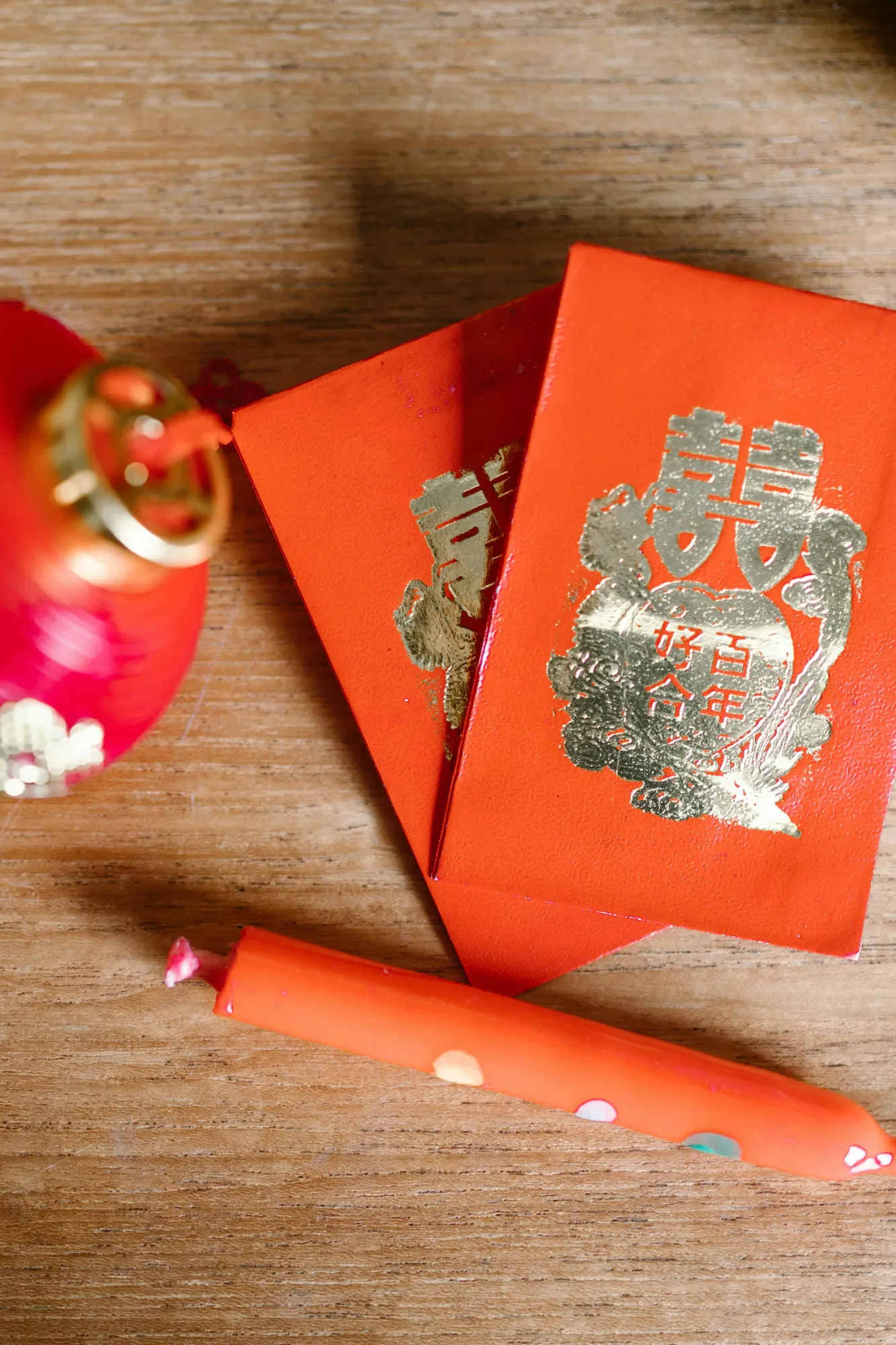
Red envelope craft and activity – Red envelopes (hóngbāo) are given as gifts during Chinese New Year, traditionally containing money as a symbol of good wishes and prosperity. A workshop where children decorate their own red envelopes – and learn why they’re given – is a low-cost, high-meaning activity for family events and school programs.
Dumpling-making class – Workshops teaching participants to make jiaozi (Chinese dumplings) are consistently popular and work well as standalone ticketed events. A local chef or community cook leading a small group creates a warm, participatory atmosphere – participants leave with a skill, a meal, and a story.
Origami and paper cutting – Folding paper cranes (a symbol of peace and longevity) or creating paper-cut designs connects participants to a delicate traditional art form. These workshops suit school programs, community events, and corporate activities equally well.
How can I run a Chinese New Year event online or digitally?
Film screening – Screen a Lunar New Year-themed film – Hong Kong classic or contemporary mainland Chinese cinema – followed by a facilitated discussion. Pairing a film with a guest speaker who can provide cultural context elevates the evening from movie night to cultural event.
Virtual celebrations – For organisations with distributed teams or communities, a virtual Chinese New Year event can include live-streamed performances, an online cooking demonstration, a digital wishing wall, or a cultural trivia session. These formats make participation possible for people who can’t attend in person.
How should I approach cultural framing for a Chinese New Year event?
Chinese New Year events work best when the framing is “here is a celebration with deep cultural roots – come learn about it” rather than “we’re doing a Chinese-themed event.” The difference is visible in every choice: whether the food is curated with cultural guidance or assembled from generic assumptions; whether performers and speakers are engaged from the community or hired as entertainment; whether the event is promoted with authentic cultural context or just red and gold aesthetics.
If your organisation is not Chinese-led, the goal is to create space for Chinese community voices and knowledge to be the centre. That produces better events and builds genuine community relationships.
How can TryBooking help with my Chinese New Year event?
If you’re running a ticketed banquet, a workshop series, or a festival with multiple sessions, TryBooking lets you manage bookings and payments in one place. Custom forms let you collect dietary requirements, session preferences, or accessibility needs during the booking process. If you’re raising funds for a community organisation as part of your event, donations can be collected alongside any ticket purchase. Free events are genuinely free on TryBooking – no booking fees passed to attendees.
Frequently asked questions
When is Chinese New Year in 2026?
Chinese New Year 2026 falls on Tuesday 17 February, beginning the Year of the Horse. The festival runs for fifteen days, concluding with the Lantern Festival on 3 March. If you’re planning a community event, the main celebration night (New Year’s Eve, 16 February) and the first two days of the new year are when the largest gatherings typically occur.
How do I book a lion or dragon dance for my event?
Contact your local Chinese cultural association, Chinese martial arts club, or lion dance troupe directly. In most New Zealand cities, troupes book out 2-3 months ahead for Chinese New Year season, particularly in Auckland and Wellington where demand is highest. Expect to pay $800-$2,000 for a lion dance performance depending on duration, troupe size, and travel. A dragon dance with a full team costs more. Always confirm logistics – lion dances involve firecrackers in some traditions, which may require council approval.
Is it appropriate for a non-Chinese organisation to host a Chinese New Year event?
Yes, provided the event is community-centred rather than commercially themed. The key is to involve Chinese community members in the planning from the outset – through local Chinese associations, cultural organisations, or community leaders. Events that create space for Chinese voices and knowledge to be central produce better results than events that borrow the aesthetic without community input. Frame the event as “come learn about this celebration” rather than “we’re doing a Chinese-themed party.”
What food should I serve at a Chinese New Year event?
Traditional Chinese New Year foods carry symbolic meaning: whole fish (abundance), dumplings shaped like gold ingots (wealth), long noodles (longevity), spring rolls (prosperity), and tang yuan sweet rice balls (family unity). Work with a Chinese caterer to curate the menu and include brief descriptions of what each dish represents. For a large community event, a banquet format or night market with food stalls works well. Collect dietary requirements in advance – vegetarian options should always be included.
Do I need a permit for a Chinese New Year festival in a public space?
In most parts of New Zealand, yes. Public events typically require a council event permit, public liability insurance (usually $10-20 million), and details about expected attendance, noise, and waste management. If your event includes firecrackers or pyrotechnics, additional approval from Fire and Emergency New Zealand and your local council is required. Apply at least 8-12 weeks before the event date, as Chinese New Year falls during a busy period for council approvals.