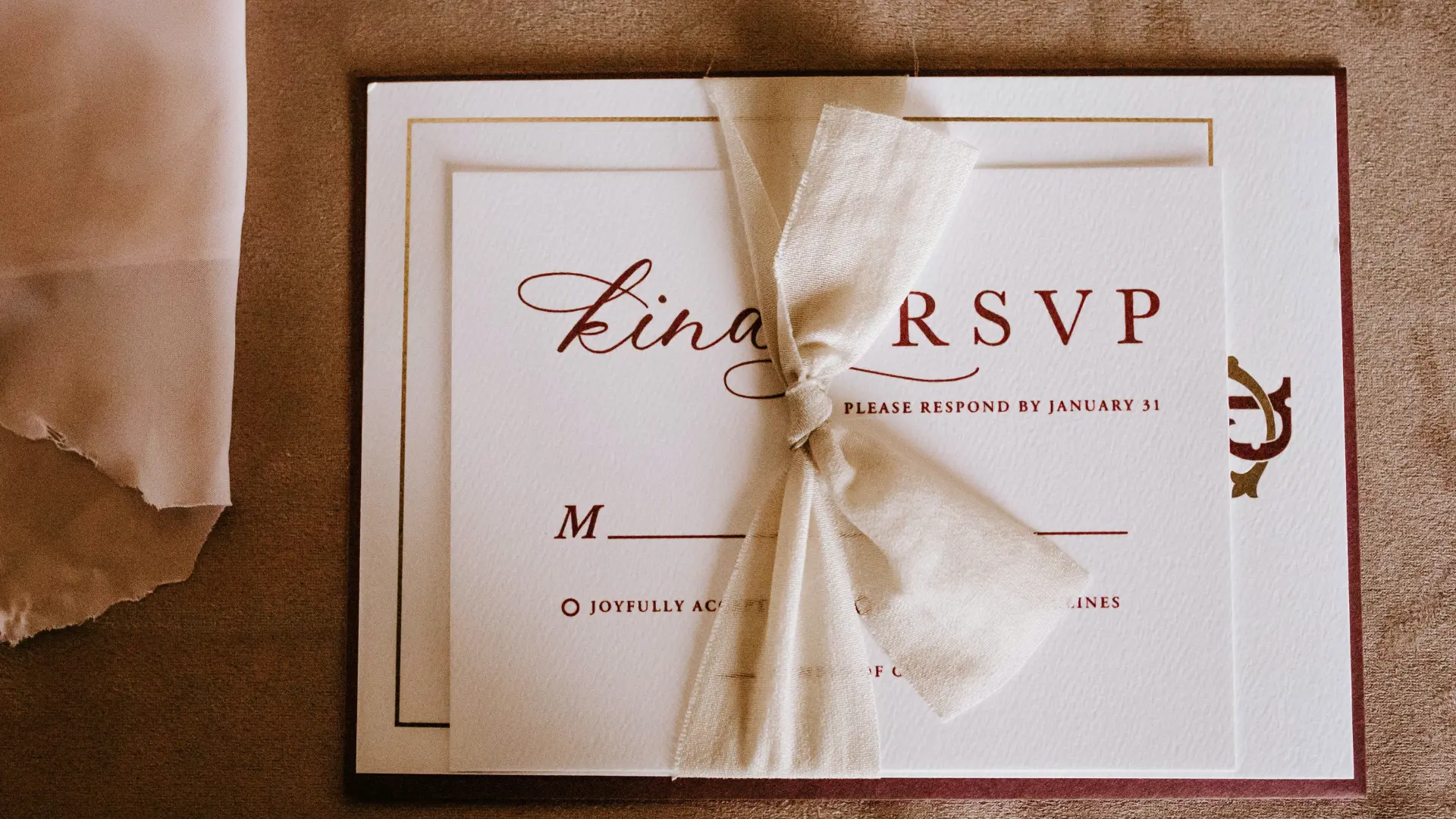
Event invitation templates
A good invitation does three things: it tells people what they need to know, gives them a reason to come, and makes it easy for them to respond. This guide covers what every invitation needs to include, templates you can adapt for email, digital, and printed formats, and the common mistakes worth avoiding.
What information should an event invitation include?
Before format, design, or tone, get the fundamentals right. An invitation that’s beautifully designed but missing the venue address – or the RSVP deadline – will generate a flood of follow-up questions.
Essential information:
- Event name and a brief description of what it is
- Date and start time (include end time if relevant)
- Location – full address, and any specific directions or arrival instructions
- What attendees need to bring or prepare (dress code, equipment, accessibility needs)
- How to RSVP – and by when
- Who to contact with questions
What to lead with: Most people scan invitations rather than reading them carefully. Put the most important information – event name, date, time, location – prominently at the top. The paragraph explaining why it’s worth attending can follow, but don’t bury the basics.
How do I write an invitation for different types of events?
The right tone depends on the event type and who you’re inviting.
Formal events (gala dinners, award ceremonies, professional conferences) suit formal language: “We request the pleasure of your company…” or “You are cordially invited to…” Use full names and titles. Send well in advance – four to six weeks minimum for major events.
Corporate and professional events (networking evenings, seminars, team days) call for professional but approachable language. First names are generally appropriate. Be specific about what attendees will gain from coming: connections, knowledge, or a chance to meet specific people.
Community and social events (club dinners, fundraisers, school events) can be warm and conversational. Use “you’re invited” rather than formal phrases. Emphasise the social aspect and keep it brief.
The one consistent rule: Be honest about what the event is. Don’t oversell. If it’s a networking evening, say so – don’t describe it as “an unmissable opportunity to transform your professional trajectory.” People appreciate accurate expectations, and they’ll trust future invitations more if you’re straight with them.

What are good email invitation templates for events?
Email is the most common invitation format for most events. It’s fast, trackable, and easy to update.
Subject lines that work:
Good subject lines are specific rather than generic. Compare:
- “You’re invited” (vague – easy to ignore)
- “Annual general meeting – Wednesday 14 May, 6pm” (clear and informative)
- “Sarah, your invitation to the Northside Community Gala” (personalised, specific)
Personalising with the recipient’s first name using mail merge increases open rates. Including the date creates a sense of time urgency.
Corporate event email template
Subject: Invitation – [Event name], [Date]
Dear [First name],
You’re invited to [Event name], taking place on [date] at [time] at [venue name and address].
[One to two sentences on what the event is and why it’s worth attending.]
[Dress code / what to bring, if relevant.]
Please RSVP by [date] to [contact email or link]. If you have any questions, reply to this email or call [phone number].
We look forward to seeing you there.
[Your name and title][Organisation]
Fundraiser or community event email template
Subject: You’re invited – [Event name], [Date]
Hi [First name],
We’d love you to join us for [Event name] on [date] at [time].
[Two to three sentences on the event: what it is, who it’s for, what’s happening on the night.]
Tickets are [price/free] and RSVPs close [date]. [Link to booking page or RSVP instructions.]
Questions? Reach us at [contact email] or [phone number].
Hope to see you there, [Your name][Organisation]
Formal or black-tie event email template
Subject: Invitation – [Event name] | [Date]
Dear [Title and surname],
[Organisation name] cordially invites you to [Event name], to be held on [day, date] at [time] at [venue name and full address].
[One sentence on the purpose or occasion.]
[Dress code]. Seating is [allocated / general admission].
Please RSVP by [date] via [method]. For enquiries, contact [name] at [email/phone].
We look forward to welcoming you.
[Name and title][Organisation]

What digital invitation formats can I use?
Beyond email, there are several digital formats worth knowing.
Event page links – If you’re selling tickets or managing RSVPs through a platform, your event page functions as a digital invitation. Share the link directly via email, messaging apps, or social media. The page should contain all the information a recipient needs to make a decision – don’t rely on people following up for details.
Social media event posts – For public events, a Facebook event or Instagram post can supplement (not replace) direct invitations. Keep the key information in the post copy, not just in a flyer image that can’t be read by all users.
Evites and digital invitation tools – Platforms like Paperless Post or Canva allow you to send designed digital invitations that feel more formal than a plain email. Useful for personal events, milestone celebrations, or any event where presentation matters but printing isn’t practical.
QR codes on printed materials – If you’re using physical signage, posters, or flyers to promote an event, a QR code that links to your booking page or digital invitation makes it easy for people to follow up immediately.
When should I use printed invitations for an event?
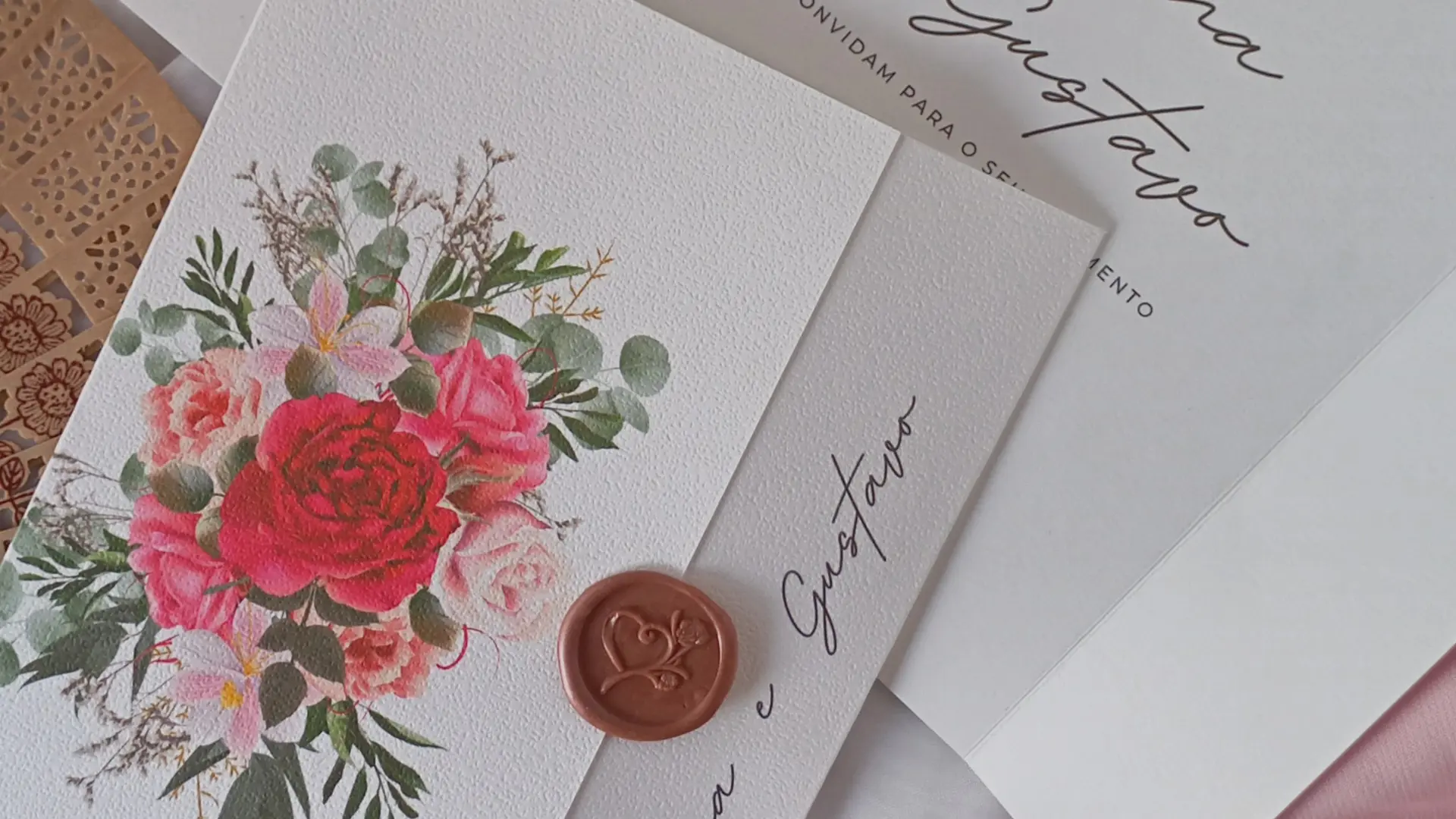
Printed invitations are appropriate when formality matters, when the physical object is part of the event experience, or when your audience skews older and less likely to engage with digital formats.
When to print:
- Formal galas, weddings, and milestone celebrations
- Theatre performances and award ceremonies
- Events where the design and presentation are part of the brand experience
- Audiences less likely to use email or digital channels (older community groups, etc.)
What to consider:
Timing – Allow at least four to six weeks before the event for formal printed invitations. Postal delivery times in regional New Zealand can be longer, and you need time for RSVPs to come back.
Paper quality – The stock communicates as much as the words. A lightweight, inexpensive paper undercuts the impression you’re trying to make. For formal events, 300gsm or heavier card stock with envelope lining makes a difference.
Information hierarchy – A printed invitation has limited space. Prioritise: event name, date, time, location, RSVP instructions. Everything else can go on an enclosed information card or a linked website.
Envelope addressing – For formal invitations, hand-addressing envelopes (or using quality print-addressing services) is still expected. Printed address labels on formal envelopes look incongruous.

What are the most common invitation mistakes to avoid?
Send at the right time. For major events: save-the-date eight to twelve weeks out, full invitation four to six weeks out. For casual events: two to three weeks is usually enough. For last-minute events: be honest that it’s short notice and explain why – people appreciate the candour.
Make RSVPs as simple as possible. Every additional step between “reading the invitation” and “confirming attendance” loses people. A direct link to an online booking page or a single reply-to-this-email instruction works. A multi-step phone-then-confirm-then-email process doesn’t.
Proofread before you send. Check the date and day match (Wednesday 14 May should actually be a Wednesday). Verify the address. Read the email subject line separately from the body – typos in subject lines are conspicuous. Have one other person read it before it goes out.
Follow up without overdoing it. One reminder email, sent five to seven days before the RSVP deadline, is standard and appropriate. More than that becomes irritating. If you’re chasing specific individuals who you really want to attend, a personal email or phone call is more effective than a mass reminder.

How can TryBooking help with invitations and RSVPs?
If you’re managing event bookings through TryBooking, your event page URL is your digital invitation – share it directly in your email or print it alongside a QR code on physical invitations. Confirmation emails go out automatically to everyone who books, so your attendees have a record of their RSVP and all the event details in one place.