Valentine’s Day event ideas
Valentine’s Day works for far more than candlelit dinners. Whether you’re running an event for couples, singles, friends, or a community fundraiser, there’s a format that fits. This guide covers the most practical options – from intimate evenings to activities that bring a whole neighbourhood together.

What romantic Valentine’s Day events work for couples?
Dine-in experiences
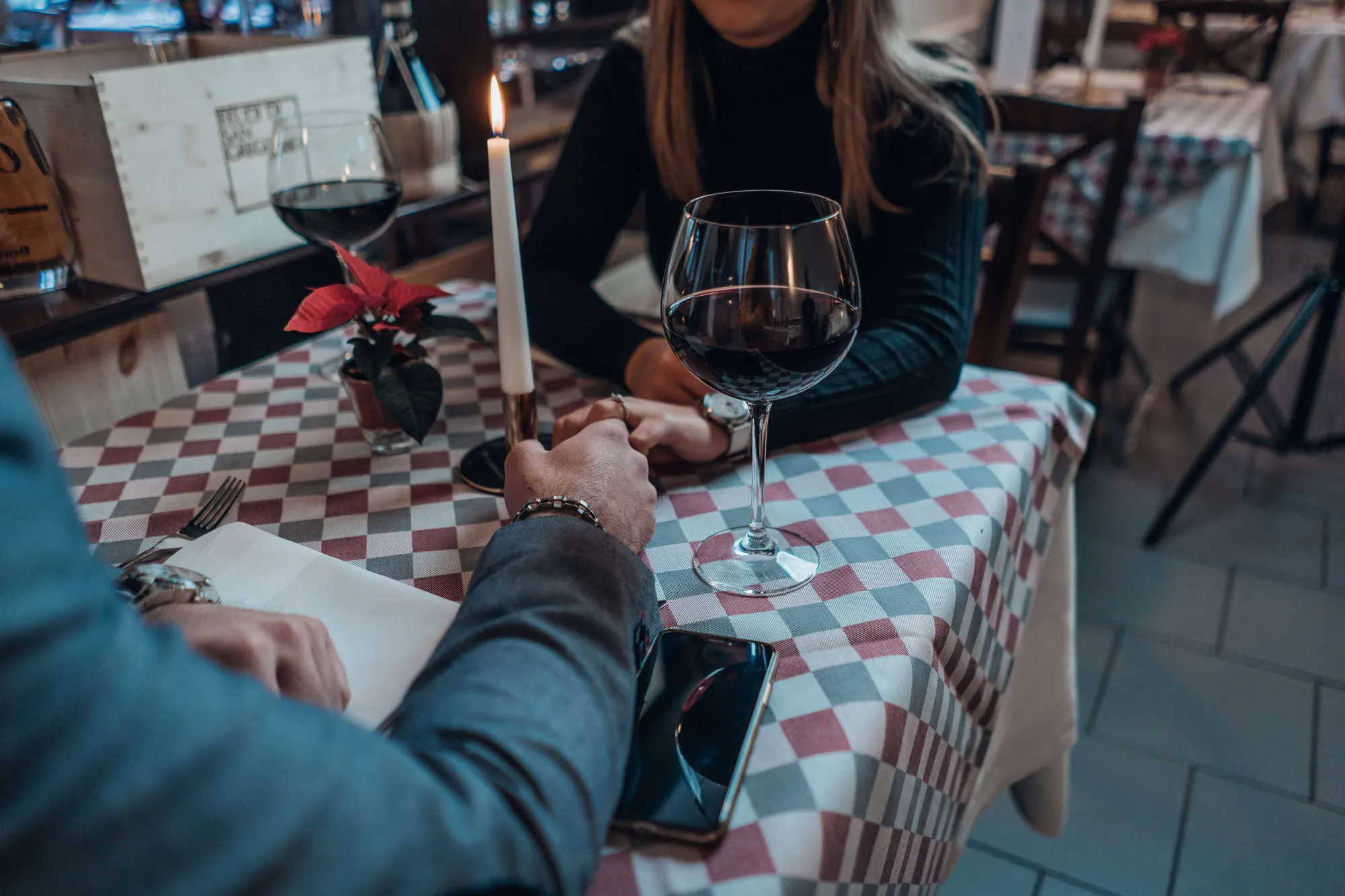
A Valentine’s dinner remains one of the most popular events to host or attend, and it’s not hard to see why. Venues that put thought into the atmosphere – dim lighting, intimate table layouts, a set menu with clear options for dietary needs – tend to fill early.
If you’re an event organiser, a prix-fixe dinner with optional add-ons (champagne on arrival, dessert to share, a take-home gift) is easier to manage than an à la carte evening and gives guests something to look forward to. Book out the venue or a dedicated section rather than mixing Valentine’s guests with regular diners – the atmosphere is noticeably better.
For a more unusual take, partner with a local restaurant and run a private supper club format: a longer, leisurely meal with wine matching and a small number of tables. These tend to sell out fast and command a higher ticket price.
Cooking classes for couples
A hands-on cooking class is one of the better alternatives to a straight dinner. Couples work together to prepare a meal, then eat what they’ve made. The collaborative element makes it feel more like an event than a transaction.
Look for cooking schools or restaurant kitchens that offer Valentine’s-specific classes. Pasta-making, dumpling workshops, and pastry classes all work well for the occasion. Keep numbers manageable – six to eight couples gives everyone enough bench space and attention from the instructor.
If you’re hosting the class, plan the timing so the meal is ready within two hours. Nobody wants to be slicing vegetables for three hours on a date night.
Dance events and parties
Valentine’s dances, balls, and parties happen across New Zealand every year and they consistently draw a crowd. Whether it’s a ballroom evening with a live band or a more casual DJ night, the format gives couples something to do together beyond sitting across a table.
For a first event, a dance doesn’t require elaborate production. A cleared floor, decent sound, good lighting, and a bar is the baseline. Adding a beginner’s lesson at the start – 20 minutes of basic steps before the main event – is popular and gets people moving early.
Poetry readings and literary events
For a smaller, more intimate event, an evening of love poetry draws an audience that’s genuinely interested in the form. A mix of classical and contemporary poets works well – Neruda, Dickinson, and Rupi Kaur alongside local poets reading their own work.
These events suit bookshops, libraries, art galleries, and small theatres. Keep the running time under 90 minutes and leave space for a drink afterwards.

What Valentine’s Day events work for singles?
Valentine’s Day events for singles are genuinely popular and tend to be more fun than people expect. The shared acknowledgment that everyone’s in the same situation removes any awkwardness quickly.
Speed dating
Speed dating works because it’s efficient and inherently social. Participants rotate through brief conversations, and the format does the heavy lifting – no one has to engineer a conversation opener because the event structure does it for them.
If you’re running a speed dating event, put thought into the format. Three to five minutes per conversation is the standard, but you can adjust based on group size. Keep the rotation moving and brief conversational prompts on the table help guests who draw a blank.
Target a specific age group or interest area – singles over 40, singles who are into hiking, singles who love books – and you’ll get better engagement than a generic event.
Tasting experiences
A wine, gin, whisky, or chocolate tasting is a natural solo-friendly event for Valentine’s Day. You’re there for the tasting, you end up talking to the people beside you, and there’s no pressure attached. These events work particularly well in the late afternoon or early evening as a lower-key alternative to a dinner out.
Singles nights and social events
Beyond speed dating, a well-organised singles social – with activities built in to reduce the “standing around with a drink” factor – is worth considering. Think trivia, a quiz night, a painting class, or a casual cocktail making session where groups work together. The activity gives everyone something to talk about and a reason to interact.
What are the best anti-Valentine’s Day event ideas?
Not everyone wants to engage with Valentine’s Day, and that audience is larger than you might think. Events that lean into this – explicitly “anti-Valentine’s” framing, alternative entertainment, outdoor experiences – can fill well with the right promotion.
Live music and theatre
A gig, a theatre performance, or a comedy night is a natural alternative to Valentine’s dinner culture. The key with anti-Valentine’s framing is that it’s good-natured rather than bitter – “here’s something great to do tonight” rather than “Valentine’s Day is terrible.”
Comedy shows work especially well. They draw groups of friends, they’re genuinely fun regardless of relationship status, and the social atmosphere is easier than a sit-down dinner.
Outdoor skills and activities
New Zealand offers something that most of the world doesn’t: Valentine’s Day in late summer, which means outdoor activities are genuinely appealing. Bush skills courses, guided bushwalks, open water swims, outdoor yoga at dawn – these draw people who’d rather be moving than sitting in a restaurant.
If you’re hosting an outdoor skills event (fire making, foraging, navigation), mid-February timing works well. The weather is reliable across most of the country and the daylight is long.

What budget-friendly Valentine’s Day events can I run?
Valentine’s Day events don’t need high ticket prices to run well or attract participants.
Moonlight picnic
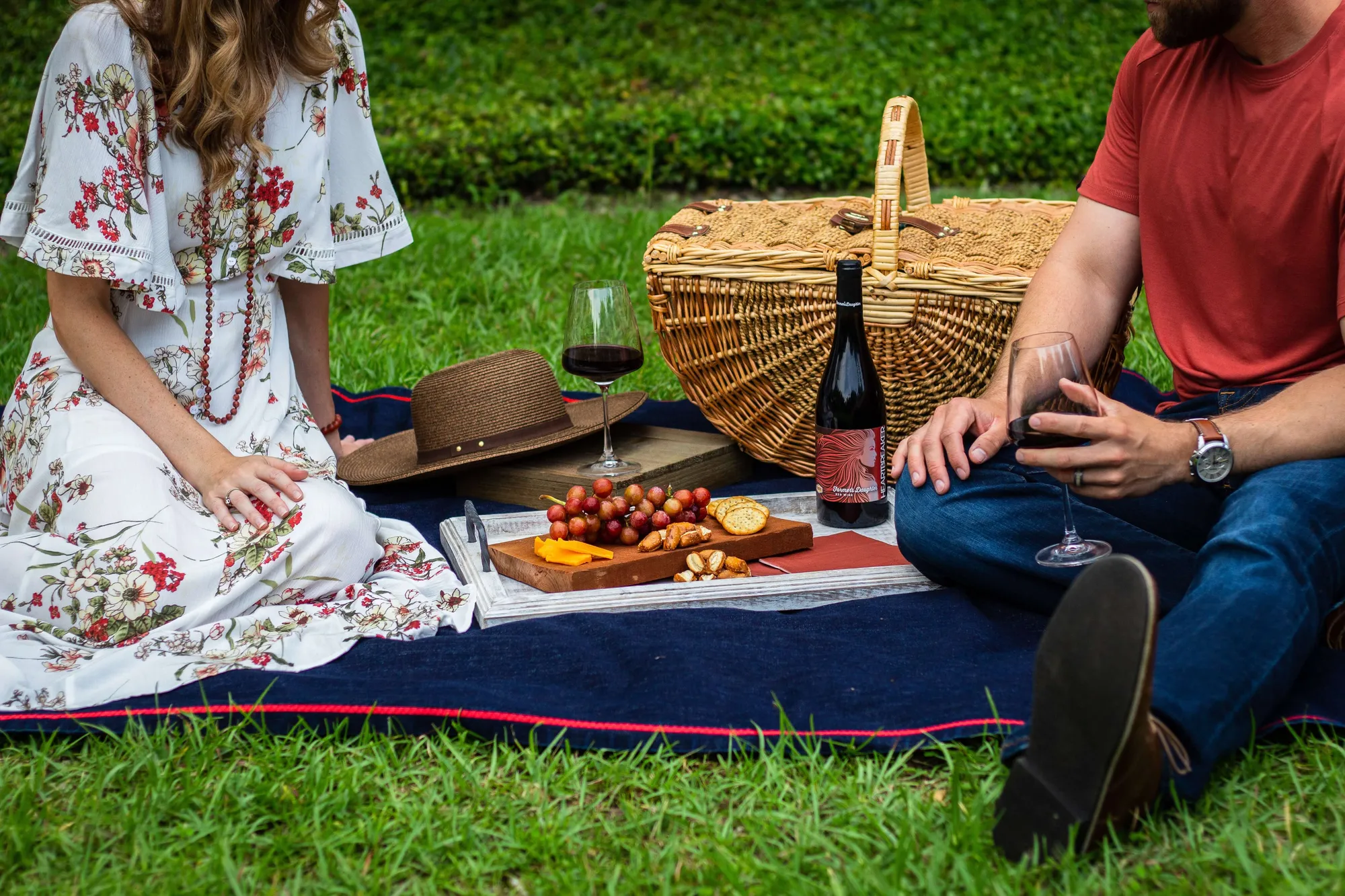
An organised picnic at a scenic outdoor location – a beach, a park, a reserve with a view – works as both a ticketed event and a free community gathering. If you’re ticketing it, the value is in the organisation: a curated location, a grazing box or hamper included with entry, and some ambient entertainment (a busker, a string quartet, a DJ playing quietly).
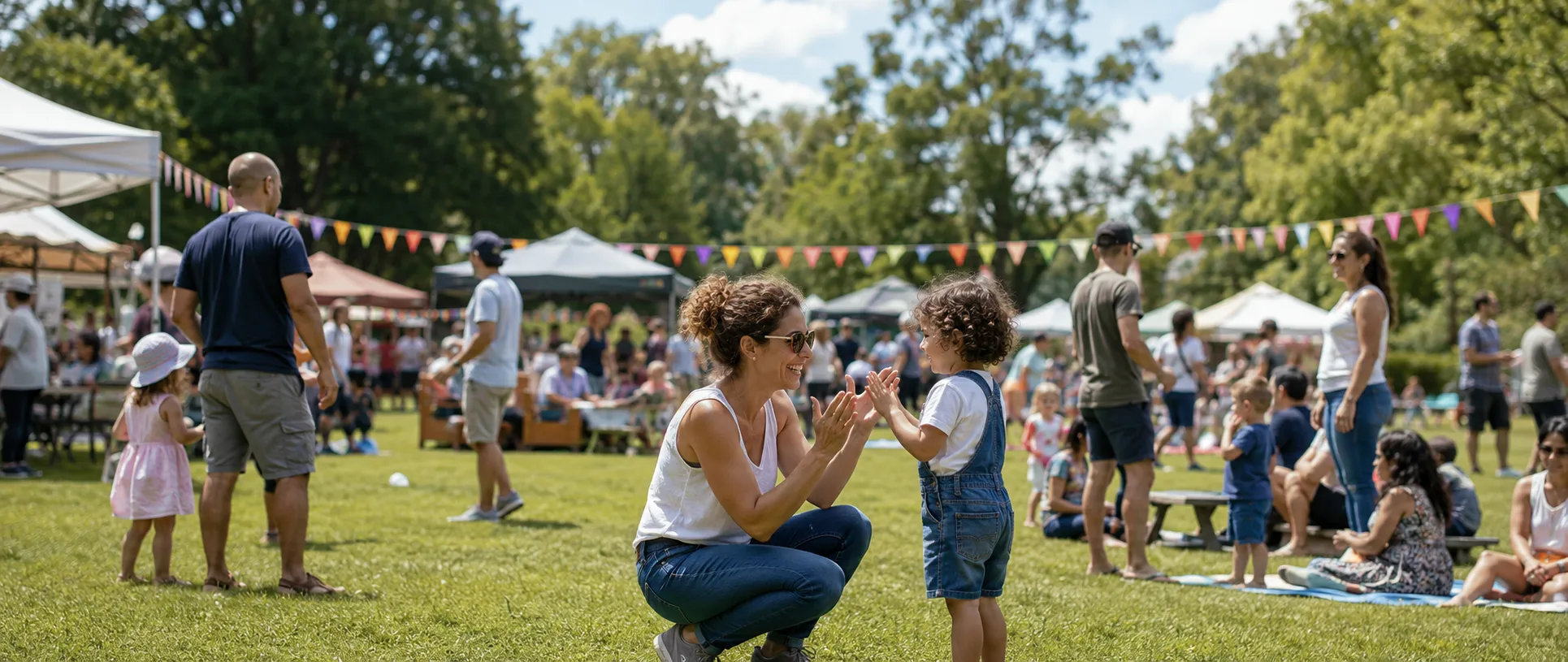
For a free community event, a moonlight picnic at a local park is a genuinely lovely thing to organise for a neighbourhood. No cost, low effort, high goodwill.
Film screenings
An outdoor screening or a community cinema night is low-cost to run and works well for all audiences. A romantic film for the couples crowd, or a deliberately anti-Valentine’s film night (action films, horror, comedies) for a different audience.
If you’re running an outdoor screening, the key logistics are: a flat surface with good sightlines, sound that carries without disturbing nearby residents, and a system for handling wet weather.
How do I host a Valentine’s Day event?
Whatever format you choose, a few things make Valentine’s events run more smoothly:
- Book early and confirm numbers. Valentine’s Day lands on the same date every year and popular venues fill up. Get your booking early and use pre-paid ticketing so you have an accurate headcount for catering.
- Think about your audience specifically. A couples event and a singles event need different energy, different programming, and different marketing. Don’t try to serve both with the same event.
- Consider dietary requirements. If food is involved, collect dietary information at registration. It takes two minutes and saves a lot of stress on the night.
- Set the atmosphere deliberately. Lighting, music, and layout matter more on Valentine’s Day than at most events. Guests arrive with expectations – meet them.
How can TryBooking help with my Valentine’s Day event?
If you’re running a Valentine’s Day event – whether it’s a ticketed dinner, a speed dating night, or a community picnic – TryBooking lets you manage registrations, collect guest information (dietary requirements, partner names for seating, plus-one details), and handle payments in one place. You can set up couples ticket pricing, group discounts, or free community event registrations. Free events attract no fees; paid events include a transparent per-ticket fee with no setup costs.