


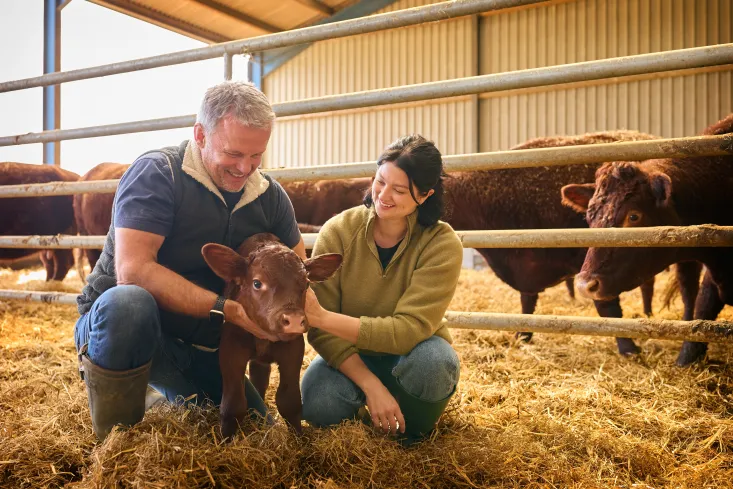
Across the country, farms that have opened their gates to visitors, launched seasonal events or started selling direct to the public have built revenue streams that, for many, now outweigh the farming itself.
Defra's figures tell the story clearly: over 70% of farm businesses in England earn income from diversification, and it accounts for nearly a third of average farm business income. Clarkson's Farm has made this visible to millions of viewers, but farmers have been quietly doing this for years. The difference now is that the economics demand it. Direct payments are disappearing, input costs are unpredictable, and standing still isn't really an option.
So what actually works? Here are 12 ideas, all focused on visitor-facing experiences that farms can manage with the right planning and a decent booking setup.
What's in this guide?
- Pick your own fruit and veg
- Flower farm experiences
- Seasonal events
- Farm tours, open days and Open Farm Sunday
- Farm parks and animal experiences
- Fireworks and bonfire events
- Farm-to-fork dining
- Farm festivals, outdoor events and county shows
- Tasting experiences and workshops
- Educational visits and school trips
- Wedding and event venue hire
- Online sales and subscription boxes
Pick your own fruit and veg
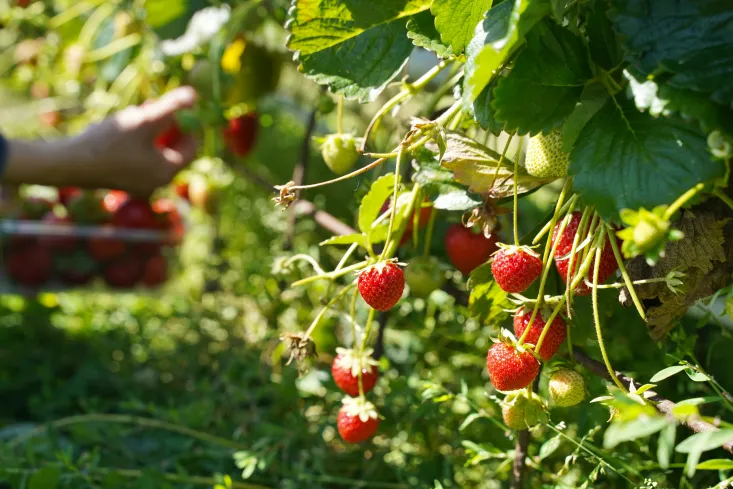
PYO works because visitors do the harvesting. Strawberries and raspberries in summer, apples into autumn: margins are better than wholesale and the audience is consistent during school holidays.
The thing that makes or breaks a PYO operation is capacity. A sunny Saturday in June without a cap on visitors means stripped bushes, an overflowing car park and a wave of one-star reviews. Timed-entry ticketing fixes this: visitors book a slot, you set a maximum per session, and you can staff to match.
The booking confirmation email matters more than most farms realise. Directions, what to wear, what else is on site: visitors who arrive prepared spend longer and spend more.
Flower farm experiences
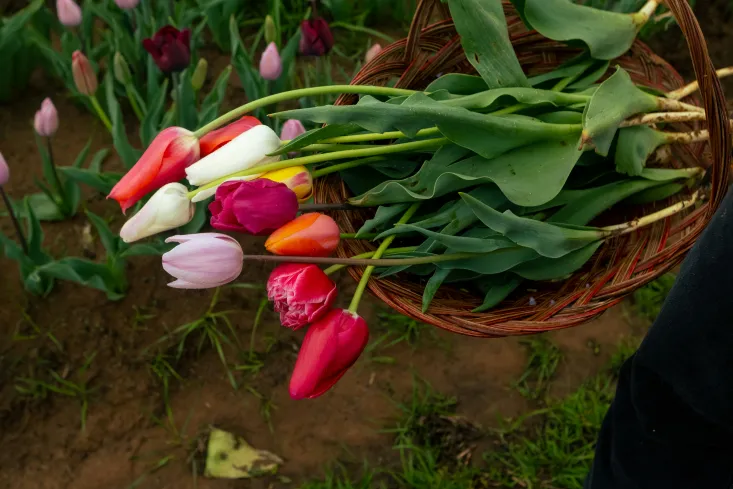
Tulip festivals, sunflower fields, lavender walks and dahlia picking have exploded as ticketed events in recent years. The major flower farms now sell out in days.
Tickets at the bigger operations run from £5 to £20 per person, and seasons last just three to five weeks. That compressed window makes pre-booked timed entry essential: unmanaged footfall damages both the crop and the visitor experience.
Most of the revenue comes from what happens around the flowers, not the ticket itself. Cafés, farm shops, cut flower sales and photography spots all lift the per-visitor spend. Sunflowers are worth considering as a starting point; their late-summer season fills the months between spring flowers and autumn pumpkins.
Seasonal events
Pumpkin picking went from niche to mainstream in under a decade. Christmas tree farms, Halloween experiences, Easter trails and winter light shows follow the same model: huge demand packed into a few weekends.
The demand is rarely the problem. The problem is handling 300 families on a Saturday when it starts raining at 11am. Pre-sold timed tickets give you confirmed revenue before the gates open and cap the number of people on site at any time. Most farms now sell out seasonal events entirely online, weeks in advance.
Pumpkins are the easiest place to start. The season is concentrated around October half-term, and a first year doesn't need more than a field, some hay bales and a hot chocolate stand.
Farm tours, open days and Open Farm Sunday
Open Farm Sunday, run by LEAF, is the most established way to test whether visitors enjoy coming to your farm. Hundreds of farms take part each year, and the numbers keep growing. We've been the preferred ticketing partner for Open Farm Sunday since 2018.
Even for free events, pre-booking makes a real difference. It means all the site and safety information goes out through the booking confirmation before anyone arrives, and your team can focus on welcoming visitors rather than directing traffic at the gate.
Farm tours can run beyond the one Sunday in June. If you're already running a shop or PYO field, bookable guided visits are worth adding. They cost almost nothing beyond your time, and everyone who books is someone you can contact about paid events later in the year.
Farm parks and animal experiences
Lambing weekends, alpaca walks, bottle-feeding sessions. You don't need exotic livestock; everyday farm animals in a clean, safe setting fill slots reliably during school holidays.
Greenlands Farm Village in Carnforth is a good example of where this can lead. What started as a working farm opened to visitors and has grown into a year-round destination with an open farm, play barn, café, farm shop, laser tag and a programme of seasonal events, all with ticketed entry and annual passes.
Keeping group sizes small matters. A lambing weekend works as morning and afternoon slots. An alpaca walk takes six to eight people. Smaller groups protect the animals and let you charge more for something that feels personal.
Fireworks and bonfire events
Farms with open land away from residential areas suit fireworks displays well. Bonfire Night is the obvious date, but New Year's Eve and Diwali celebrations also draw crowds.
Ticketing matters here for safety more than most event types. You need to know how many people are on site, timed arrival windows help manage parking, and if high winds force a cancellation you need a way to notify and refund ticketholders quickly. You'll need public liability insurance specifically covering a fireworks display; one-off policies start from around £130 depending on event size and cover level, and your insurer will want to see a risk assessment and evidence of crowd management measures.
Don't forget your livestock. Animals should be moved well away from the display area, and neighbouring farms deserve advance notice. These are the kinds of details that catch first-time organisers off guard.

Farm-to-fork dining
Clarkson's planning rejection for a restaurant, and his pivot to buying a pub, illustrates the biggest barrier to permanent dining on farmland. Most farms face the same friction with their local planning authority.
Ticketed events get around this. A supper club in a barn or a barbecue series on a summer evening can run under temporary event notices (TENs) without a permanent change of use. A TEN costs £21, covers events of up to 499 people for up to seven days, and you can hold up to 15 per premises per year (with a cap of 21 days total). You'll need to give your council at least 10 clear working days' notice. For a farm supper club, that's plenty of headroom to run a regular series through the summer months.
Selling 30 covers in advance at a set menu price means you know your numbers before you order a single ingredient. It also means you can plan portions accurately, which keeps food waste down and margins up.
Farm festivals, outdoor events and county shows
If you've got the land and the access, hosting events can work well. Outdoor cinema needs surprisingly little infrastructure and runs as a ticketed experience with a clear capacity limit. The 28-day rule (more on that below) means you can host events for up to 28 days a year without a permanent change of use.
County shows and agricultural shows are another established route. We've been supporting county shows and rural events since 2014, and they share the same core needs: ticketing, capacity management and on-the-day scanning.
Tasting experiences and workshops
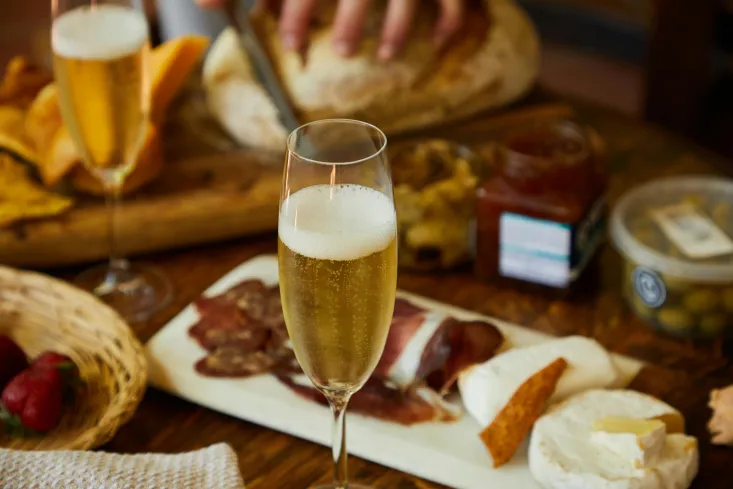
Cheese-making, cider pressing, foraging, fermentation: small-group sessions at £40 to £60 per head. These punch above their weight commercially because they turn visitors into long-term customers. Someone who spends two hours learning to make cheese doesn't just go home happy. They buy cheese from your shop for months afterwards, come back for a gift hamper at Christmas and tell their friends about the experience over dinner. That repeat relationship is worth far more than the ticket.
Workshops also fill the calendar gaps that seasonal events leave. Midweek slots, January and February, corporate team days, hen parties, birthday gift vouchers: all times and occasions that a pumpkin patch can't reach.
Educational visits and school trips
Farms fit naturally into Key Stage 1 and 2 science, geography and food technology. A schools programme fills weekday term-time slots, and the demand is consistent; schools rebook year after year.
Schools need to request dates, provide numbers and receive invoices, which takes more coordination than consumer ticket sales. But the reliable midweek revenue is worth the admin. Budget around half a day per visit, with a maximum group size of 30 to 40 children. Schools typically expect a guided experience with structured learning outcomes, so prepare a simple itinerary that ties activities back to the curriculum.
Wedding and event venue hire
There were over 230,000 marriages in England and Wales in 2023, and rustic venues command a premium. This is higher-commitment than most diversifications: infrastructure (toilets, power, hard standing for catering vehicles), licensing, and the logistics of managing someone else's most important day.
Start-up costs depend heavily on what you're working with. A barn that already has power, water and a solid roof needs far less investment than a derelict building. At a minimum, you'll need toilet facilities, adequate parking, and a premises licence if you want to serve alcohol. The 28-day rule lets you test with a handful of private hire events before committing to a full change-of-use application, which is worth doing; wedding guests will tell you quickly what your site is missing.
Online sales and subscription boxes
Not everything needs visitors on site. Meat boxes, seasonal veg subscriptions and branded products extend your reach beyond the local area. The same principle works at any scale: provenance carries a margin that commodity agriculture can't match.
A fortnightly veg box creates predictable demand, reduces waste (you harvest to order) and builds repeat custom. Bookable collection slots work for local customers; postal delivery opens it up nationally. The key operational challenge is consistency. Subscribers who receive a disappointing box in week three won't make it to week six. Set expectations clearly on quantity and variety, and be upfront about what changes with the seasons.
Making it work
Ideas are the easy part. What actually makes the difference is what happens next: planning, timing, and knowing the rules before you start spending any money.
Stack your seasons
These ideas work best in combination. A farm that runs flower fields in spring, PYO in summer, pumpkins in autumn and Christmas trees in winter has visitor revenue across the full year from the same land. A ticketing platform that captures email addresses at the point of purchase means you can market each season to people who've already visited: the family that comes for tulips in April sees the PYO advertised and returns in July.
Know your capacity
Before you sell a single ticket, work out how many people your site can actually handle. That means parking spaces, toilet provision and average visit length. Set your ticket caps from there, not from how many you'd like to sell.
Decide your weather policy early too, ideally before your first ticket goes live. "What happens if it rains?" is the question you'll get most often, and you need a clear answer ready. If you're planning school visits or corporate events, you'll also need a booking process that handles invoicing and group pricing rather than individual ticket sales.
And capture contact details from every booking. If 2,000 people visited last year and you can't email them when the new season opens, that's a missed opportunity.
Understand the planning rules
Planning permission trips up more farm diversifications than almost anything else, so it's worth getting your head around the basics before you spend any money.
The one you'll hear about most is the 28-day rule. In short, you can change the use of agricultural land or a building for up to 28 days a year without needing to apply for planning permission. That gives you enough room to test most ideas: a PYO weekend here, an open day there, a pop-up supper in the barn. If it goes well and you want to do more, that's when you'll need a formal change-of-use application.
If you're thinking about converting a farm building for events or retail, Class Q permitted development is worth looking into. It can allow some agricultural building conversions without a full planning application, though the rules are specific and not every building qualifies.
The best starting point is usually a pre-application enquiry with your local planning authority. Most councils offer this for free or a small fee, and it gives you a realistic sense of what's likely to get approved before you commit to anything.
This isn't legal advice, and every council handles things differently. But knowing the framework saves a lot of frustration later on.
Start small
Nobody gets this right first time. The farms we've worked with over the past decade almost all say the same thing: their first event was smaller than they wanted, messier than they planned, and taught them more than any amount of research could have. The second one was better. By the third, they had something that worked.
Pick one idea and try it. A PYO weekend, an open day, a pop-up supper in the barn, whatever suits your land and your confidence level. Sell a small number of tickets, see who turns up, notice what they spend money on, and listen to what they say on the way out. That's your feasibility study, and it cost you almost nothing.
If you'd like to give it a go, create a free account on TryBooking. Free events cost nothing to run, there's no contract and no subscription. We've been helping farms figure this out since 2014, and we're always happy to talk it through.